

CITES CoP20: What It Means for Elephant Trade Rules
Last updated: September 14, 2026
4 min read
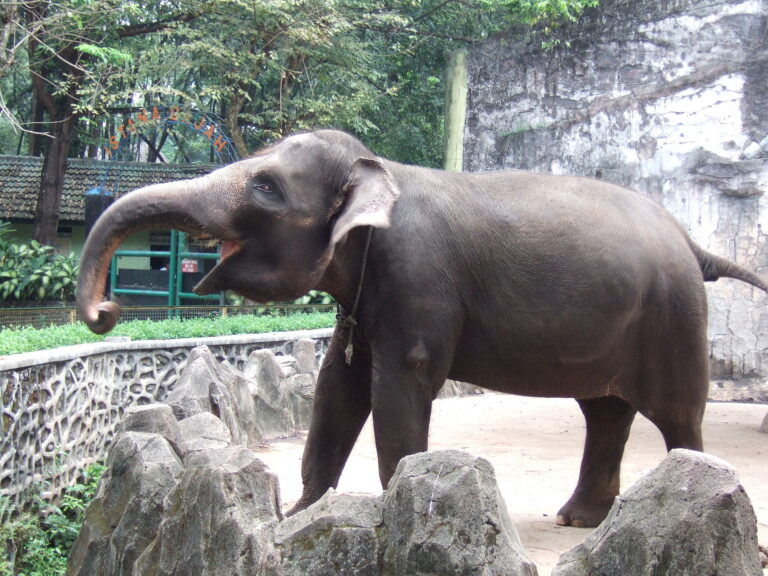
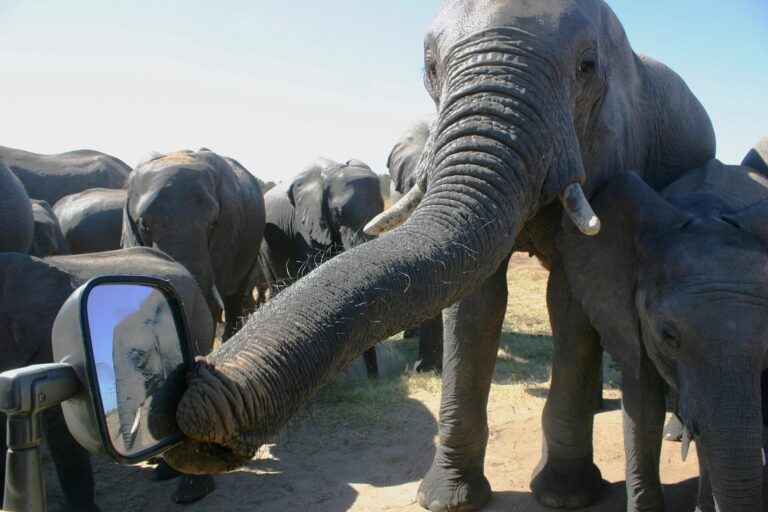
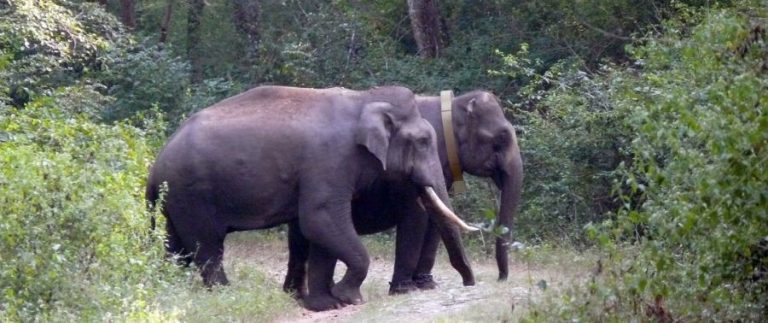
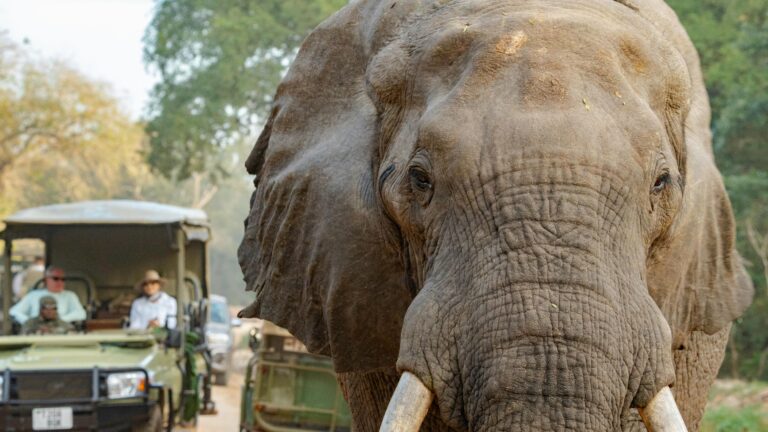
Photo by Bharath Yuvraj on Pexels
CITES CoP20 ran in Samarkand, Uzbekistan, from 24 November to 5 December 2025. Elephants did not come out of it the way the headlines suggested. The proposals everyone was watching, Namibia’s bid to sell ivory stockpiles and to loosen elephant protections, were rejected by a large majority. But a quieter proposal did pass, by consensus, and it changed the terms of trade for the four southern African populations already on Appendix II.
Key facts
- CoP20: Samarkand, Uzbekistan, 24 November to 5 December 2025
- Appendix I: still covers Asian elephants, African forest elephants and most African savanna elephant populations
- Appendix II: the Botswana, Namibia, South Africa and Zimbabwe savanna populations, under an annotation setting what may be traded
- Ivory stockpile sales: not authorised. Namibia’s proposal was rejected
- The change that did pass: an amendment to the Appendix II annotation, adopted by consensus
- Next meeting: CoP21, Panama, 2028
What was rejected
Namibia went to Samarkand seeking to reduce trade protections on African elephants and to permit the sale of government-held ivory stockpiles. Both were turned down by a sizeable majority of parties. Attempts to broaden commercial trade in elephant products more generally also failed. On the headline question, whether a legal international ivory trade window would reopen, CoP20 held the line.
What was adopted, and why it matters more than it sounds
Alongside those rejections, a proposal put forward by Botswana, Cameroon, Cote d’Ivoire, Namibia and Zimbabwe amended the annotation attached to the Appendix II listing of the Botswana, Namibia, South Africa and Zimbabwe savanna elephant populations. It came out of an African Elephant Dialogue Meeting, it was framed as tidying up language, and it was adopted by consensus rather than by vote.
The tidying up did three things. It deleted an out-of-date reference authorising a one-off sale from a limited raw ivory stockpile. It harmonised the conditions on trade in live elephants. And it extended commercial trade in elephant leather goods to Zimbabwe, which previously applied to the other three.
Conservation groups that were in the room read the live-trade change very differently from the proponents. Under the CoP19 arrangement agreed in Panama in 2022, live exports from these populations were restricted to in-situ conservation programmes within the species’ natural range in Africa. Critics including the David Shepherd Wildlife Foundation and Humane Society International argue that the revised wording permits live exports outside Africa, which would mean wild-caught elephants going to overseas zoos again. The David Shepherd Wildlife Foundation also reported that a closed range-state meeting produced an understanding that the four countries would publicly commit not to export live elephants outside Africa, and that no such statement was made when the proposal reached the floor.
We are reporting the disagreement rather than resolving it. What is not in dispute is that the annotation is looser after CoP20 than it was before, and that it passed with far less scrutiny than the proposal everybody was watching.
The poaching picture behind the politics
Both sides of the trade argument lean on MIKE, the CITES programme that monitors the illegal killing of elephants at sites across Africa and Asia. Its headline metric, the proportion of carcasses found that were illegally killed, peaked in 2011 and has fallen a long way since. The most recent published analysis describes poaching levels as stable between 2020 and 2024: better than the crisis years, not solved, and with central Africa still carrying the heaviest pressure.
That stability is the number to watch between now and CoP21. A continued flat or falling trend strengthens the case that the current restrictions are working. A reversal would change the politics of the next meeting entirely.
What comes next
CoP21 will be held in Panama in 2028. Between now and then the substantive work happens in committees and working groups rather than in plenary, which is precisely the lesson of CoP20: the elephant decision that actually changed something was the one that arrived as housekeeping.
Frequently asked questions
What was CITES CoP20?
The twentieth Conference of the Parties to CITES, held in Samarkand, Uzbekistan, from 24 November to 5 December 2025.
Did anything change for elephants?
Yes. The listings themselves did not move and the ivory stockpile moratorium held, but the annotation governing what may be traded from the four southern African Appendix II populations was amended by consensus, loosening the live-trade wording and adding Zimbabwe to commercial leather-goods trade.
Who proposed changes?
Namibia proposed reducing protections and selling ivory stockpiles, and was rejected. The annotation amendment that passed was proposed by Botswana, Cameroon, Cote d’Ivoire, Namibia and Zimbabwe.
What about live elephant trade?
This is the contested point. The amendment harmonised the live-trade conditions across the four countries. Conservation groups argue the new wording allows live exports outside Africa, which the CoP19 arrangement had restricted to in-situ conservation within the natural range.
Is ivory trade legal?
Almost nowhere. Domestic bans in China, the UK, the US and other major markets cover most jurisdictions, and no commercial international ivory trade was authorised at CoP20.
When is the next CoP?
CoP21, in Panama, in 2028.
Where are the official reports?
cites.org. All CoP20 proposals, documents and outcomes are public.
Did poaching get worse or better?
Far better than the 2011 peak, and flat over recent years. MIKE describes poaching levels as stable between 2020 and 2024, with central Africa still the worst-affected region.
See our ivory trade primer and our conservation pillar.
Elsewhere on We Love Elephants
- Elephant Conservation 2026: How to Save the Last Giants: Poaching trends, the 1989 ivory ban, the zoo and sanctuary debate, trophy hunting.
- CITES Trade Rules for Elephants: From CoP19 to CoP20: How elephants are listed under CITES, what CoP19 settled, and what the 2025 Samarkand meeting did and did not change.
- Ivory Trade Law: Where It Stands After CITES CoP20: Domestic bans, the Appendix II carve-out for four southern African states, the live-elephant export loophole, and what the Samarkand CITES conference actually decided in late 2025.
- IUCN Red List Updates: What Has Changed for Elephants: Where every elephant species and subspecies sits on the IUCN Red List, including the Bornean elephant’s first listing in 2024.
Updated 14 September 2026: corrected the CITES CoP20 dates.

Vietnam and Laos as residual destination problems is consistent with what TRAFFIC has been publishing all year. Demand displacement is real.
CoP20 confirming the moratorium is the predictable but important outcome. Stockpile sale momentum was real and needed pushing back on.
Tightening the implementation guidance on in-situ conservation purpose for live trade is the kind of administrative win that actually matters.
MIKE PIKE downward trend is the most important leading indicator. As long as that line keeps trending right, the macro story is okay.
Asia conflict mortality remains the under-emphasised story. CoP isn’t really structured to address it.
Yes, the implementation guidance is where the wins actually live. CoP rhetoric is downstream.
Working group sent to CoP21 in 2027 is going to repeat all of this. The southern African positions are entrenched.