

Climate Stress and Elephant Range: What the Record Shows
Last updated: September 14, 2026
3 min read
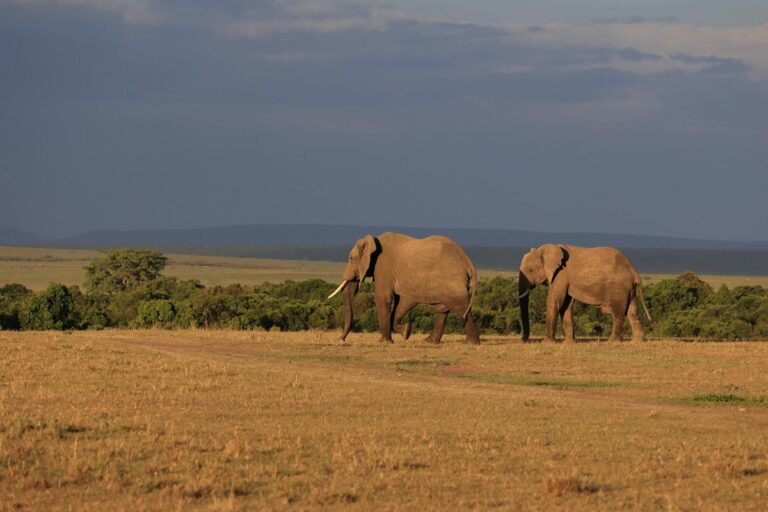
Photo by Bruno Almeida on Pexels.
Climate stress on elephant range stopped being a projection some years ago. The clearest single episode is the Horn of Africa drought that ran from late 2020 through 2022, when five consecutive rainy seasons failed across northern Kenya, southern Ethiopia and Somalia. Kenya’s own wildlife authorities counted 205 elephant deaths attributed to that drought between February and October 2022, alongside far heavier losses of wildebeest, zebra and Grevy’s zebra.
What drought actually does to a herd
Adult elephants are rarely the first to go. Calves and very old animals are. A drought works on a population through calf mortality and through the reproductive pause that follows, so the demographic damage keeps showing up in the age structure for years after the rains return.
The second effect is movement. Herds abandon marginal range and concentrate on permanent water, which is exactly where people and livestock are. Drought does not just kill elephants directly, it pushes them into contact with farms and settlements and raises the conflict mortality on top of the thirst and hunger.
Asia: fire and water, not heat
Sumatra’s pressure comes from peatland fire. Peat burns during dry seasons, frequently after being drained and lit for land conversion. Direct elephant mortality from fire is rare. The damage is cumulative habitat loss in exactly the flat lowland forest the Critically Endangered Sumatran elephant depends on.
Sri Lanka’s dry zone has a different problem. The island’s ancient tank system, a network of irrigation reservoirs some of which have been in use for more than 1,500 years, buffers seasonal water shortage. Those tanks depend on monsoon refill, and monsoon variability is what makes the buffer unreliable. When the tanks are low, elephants move into village landscapes for both food and water, and Sri Lanka already has the worst human-elephant conflict death toll in the world.
Waterholes are not the fix people assume
Drilling supplementary boreholes is the most common emergency response and it does reduce immediate mortality. It also has a long tail. A new permanent water point redistributes herds around it, keeps them there after the drought has broken, concentrates grazing pressure into a smaller radius, and can create a new conflict flashpoint where there was none before. Hwange in Zimbabwe is the standing example of what happens when a large elephant population becomes dependent on pumped water: when the pumps fail, animals die around dry pans.
The intervention with the better long-run case is corridor protection and restoration. An animal that can walk 50 km in a day does not need a water point delivered to it so much as it needs the option to leave. Movement is the adaptation elephants already have. Conservation planning can either preserve that option or block it.
What to watch
For African elephants, the performance of the East African short and long rains is the single largest variable. For Asian elephants, monsoon performance in India and Sri Lanka drives conflict intensity, and Sumatran fire season severity indicates the trajectory of the most pressured range in Asia.
We have deliberately kept this page to episodes that are on the record. Climate attribution for any single season is hard, and the honest position is that we can point to what happened in 2020 to 2022 with confidence and much less to anything since. If you work in a range state and have data we should be reflecting here, leave a comment.
Frequently asked questions
Does climate change kill elephants directly?
Rarely. It works through drought, habitat change and amplified human-elephant conflict.
What was the toll of the Horn of Africa drought?
Kenya counted 205 elephant deaths between February and October 2022. Losses of other large herbivores were far higher.
Which African region is most exposed?
The Horn of Africa and the northern Kenya rangelands, where rainfall is already marginal.
Which Asian range is most exposed?
Sumatra’s peat landscapes and Sri Lanka’s dry zone.
Does drilling waterholes help?
In the short term, yes. It also redistributes herds permanently and can create new conflict points, so it is a trade rather than a fix.
What is the best long-term response?
Protecting and restoring movement corridors, so herds can leave a failing landscape instead of being held in it.
See our conservation pillar and our elephants in Kenya overview.
- Elephant Conservation 2026: How to Save the Last Giants: Poaching trends, the 1989 ivory ban, the zoo and sanctuary debate, trophy hunting.
- Human-Elephant Conflict in Sri Lanka in 2025: A Crisis Snapshot: Record deaths on both sides, a national action plan written in 2020 and then shelved, and what beehive fences and early-warning technology can and cannot do.
- Elephant Conservation in 2024: The Year in Review: Drought culls in Namibia and Zimbabwe, Botswana’s 20,000-elephant offer to Germany, and the nine-year beehive fence result.
- Elephants and Water: Drinking, Swimming, Digging and Bathing: How elephants drink at 540 km per hour, dig wells other animals then use, swim with the trunk as a snorkel, and why water access decides where a herd spends its year.
Updated 14 September 2026: corrected the survey period for Kenya’s drought deaths.
Sumatran peat fires as the slow-burn habitat loss story for Sumatran elephants matches what colleagues on the ground keep telling me.
Yes, the borehole point is one I learned from a Kenya ranger conversation. Good intentions create new dynamics.
Sri Lankan tank refill cycles under monsoon stress is a really sharp piece of climate-conflict linkage. Worth a longer read.
Borehole drilling redistributing herds away from marginal areas is the unintended consequence that doesn’t get enough airtime.
Sumatran peat fires are the slow-motion catastrophe nobody is paying enough attention to.