
Beehive Fences for Elephants: How They Work and Where They Scale
Last updated: September 14, 2026
4 min read
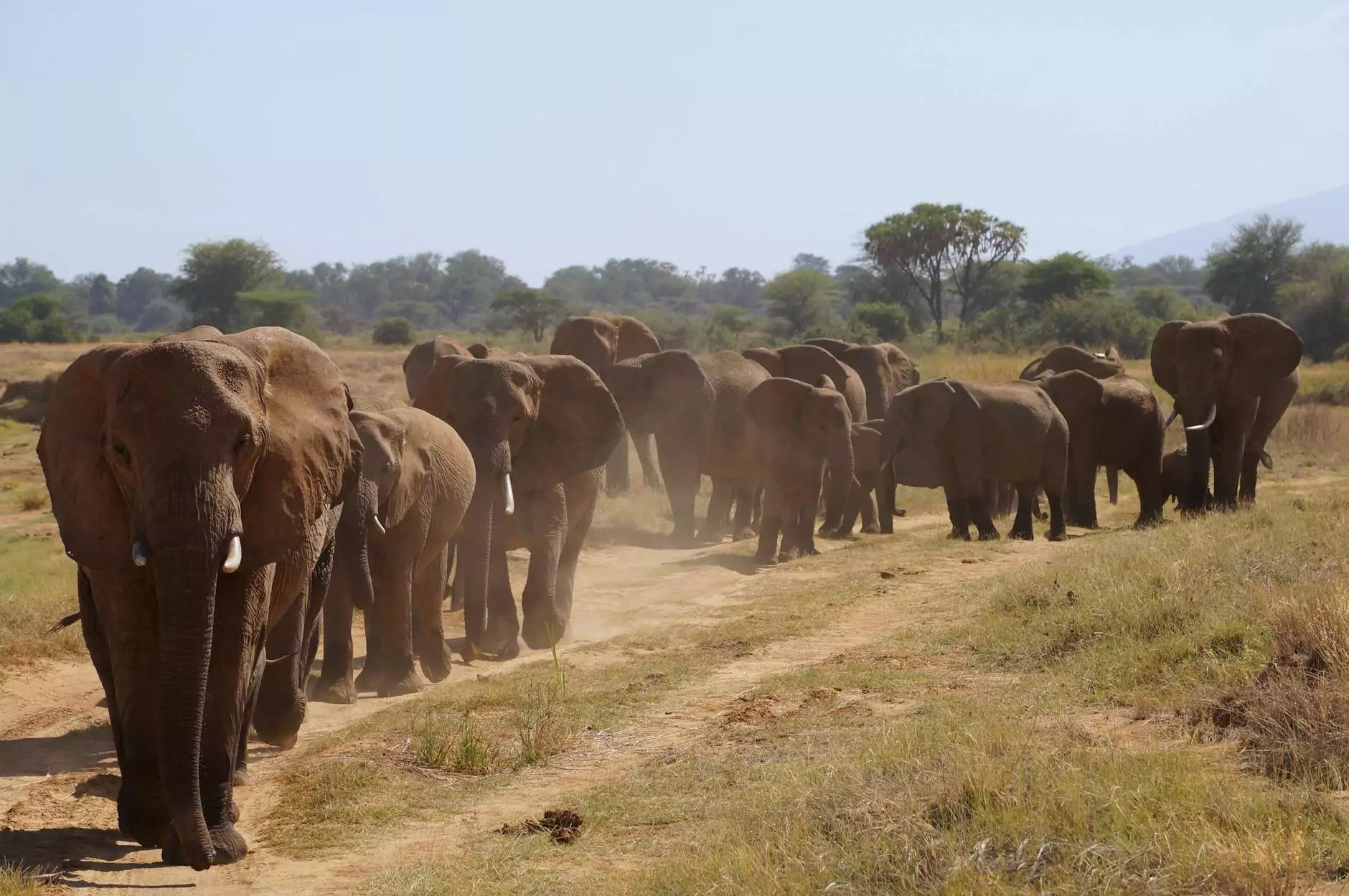
Photo by Michael Kabus on Pexels.
Beehive fences are one of the cleanest examples of applied behavioural ecology in conservation. Lucy King’s work in Kenya, through Save the Elephants and the University of Oxford, showed that elephants avoid African honeybees, and that a farmer can turn that aversion into a working barrier for the price of some wire, some posts and some hives.
Key facts at a glance
| Originator | Lucy King, Save the Elephants and the University of Oxford |
| Mechanism | Elephants avoid African honeybees, and react even to recorded bee sound |
| Design | Hives hung at roughly 10 metre intervals, linked by a wire |
| Effectiveness | An annual average of 86 percent of approaching elephants deterred in peak crop seasons, 76 percent across all seasons including a drought |
| Construction cost | Costs vary by country, materials, hive type and labour. Use a current local bill of quantities. |
| Scale by 2025 | More than 14,000 hives at around 100 sites across 24 countries |
| Co-benefit | Honey income for the farmer |
How the fences work
A beehive fence is a wire strung between posts with a beehive hung roughly every 10 metres. An elephant pushing into the wire sets the hives swinging, the bees come out, and the elephant leaves.
The aversion is real and specific. Elephants have thin skin around the eyes and inside the trunk, and the avoidance is strong enough that playback of recorded bee sound alone moves them away, which is how King demonstrated the effect in the first place.
What the long study found
The strongest evidence comes from a nine-year study of beehive fences in Kenya, published in Conservation Science and Practice in 2024. Across six peak crop-growing seasons between 2014 and 2020, researchers logged 3,027 elephant approaches to fenced farms. The fences turned away an annual average of 86.3 percent of them. Across the whole period, including a serious drought, the average was 76 percent.
That gap between the two numbers is the important finding. Drought weakens the fence, because stressed bee colonies abandon hives and empty hives deter nothing. A tool that works well in normal years works less well in exactly the years when crop losses hurt most, and the study’s authors flagged that as a real risk for the method as the climate shifts.
Why farmers keep them up
The fences make honey. In the Kenyan study, 365 hives produced around a tonne of honey which sold for roughly 2,250 US dollars. That income is why the maintenance gets done, and maintenance is what keeps the fence working: hives need occupying, wires need re-tensioning, and none of that happens reliably unless the person doing it gets something out of it.
Construction costs vary by country, materials, hive type and labour. Use a current local bill of quantities. Local beekeeping groups and extension officers are usually the ones who supply bees and training, and Save the Elephants publishes an open construction manual through its Elephants and Bees project.
What they do not do
A beehive fence is not a wall. Even in the best seasons a share of elephants still gets through, and the method has never been presented as anything other than a deterrent that shifts the odds heavily in the farmer’s favour.
It is also village-scale technology. It protects a boundary. It does nothing about habitat fragmentation, corridor loss or land-use planning, which are the pressures actually driving elephants into farmland in the first place. Chilli ropes, watch teams and alert systems are used alongside it rather than instead of it.
Where they are used
From the original Kenyan trials the approach has spread across African and Asian range states. By 2025 Save the Elephants counted more than 14,000 hives at around 100 sites in 24 countries. Sri Lanka and India both have active networks, and pilots have run in Tanzania, Mozambique, Botswana and Uganda among others.
Frequently asked questions
Do beehive fences really work?
Yes, with caveats. The nine-year Kenyan study found an annual average of 86 percent of approaching elephants deterred during peak crop seasons, and 76 percent across the whole period including a drought.
Who developed them?
Lucy King, working with Save the Elephants and the University of Oxford, through the Elephants and Bees project.
How much do they cost?
Costs vary by country, materials, hive type and labour. Use a current local bill of quantities.
Do farmers get anything else out of it?
Honey. In the Kenyan study 365 hives yielded about a tonne of it, sold for around 2,250 US dollars.
Why does drought matter?
Because bees abandon hives when conditions get bad, and an unoccupied hive is just a box on a wire. Effectiveness drops in exactly the seasons when farmers can least afford a crop loss.
Where can I read the original research?
Lucy King’s papers, including the 2024 nine-year study, are published on the Save the Elephants research pages.
See our conservation pillar and our elephants in Kenya overview.
Keep reading
- Elephant Conservation 2026: How to Save the Last Giants: Poaching trends, the 1989 ivory ban, the zoo and sanctuary debate, trophy hunting.
- Beehive Fences and Why They Work: Using Bees to Protect Crops from Elephants: Lucy King turned an old observation about elephants avoiding beehives into a working crop-defence system.
- Ants And Bees: Two Little Creatures Elephants Are Afraid Of: Elephants avoid trees full of bees and trees full of ants.
- African Elephants Travel Paths Leading to Favorite Food: Oxford and Save the Elephants walked elephant trails with GPS in Sagalla, Tsavo, and found bulls and family groups choose different routes to different plants.
Updated 14 September 2026: removed unsupported beehive fence cost figures.



Important to note the bulls-in-musth limitation. The fences are family-group medicine, not solo bull medicine.
Twenty range states with operational beehive fences by 2025 is a quietly remarkable scale-up. Most field interventions never get past pilot.
The co-benefit framing is the bit that always lands for me. Honey income drives farmer maintenance which drives sustained effectiveness.
The co-benefit framing is what makes the model sticky. Pure aid-funded fences without honey income degrade fast.
Lucy King’s PhD work being one of the cleanest applied behavioural ecology stories in modern conservation deserves more recognition.
80 percent reduction in elephant approach attempts is one of those conservation numbers that sounds too good until you read the Lucy King papers.