Ants And Bees: Two Little Creatures Elephants Are Afraid Of
Last updated: September 14, 2026
3 min read
How do farmers protect crops from elephants without killing them? With bees, and in some places with ants.
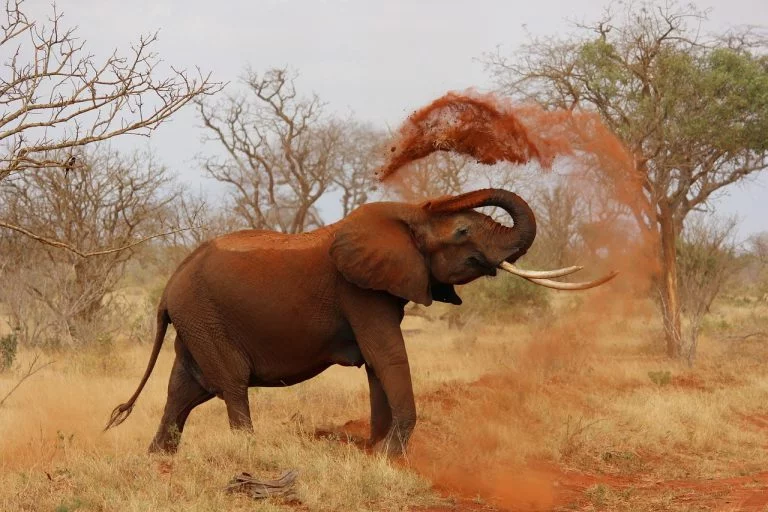
We picture elephants as unbothered by everything around them. You have probably heard the old line about elephants being frightened of mice. That one is a myth. The fear of bees is not.
Plan bee
The idea began in Kenya, not anywhere in North Africa, which has had no wild elephants for centuries. Fritz Vollrath and Iain Douglas-Hamilton noticed that acacia trees carrying wild bee colonies were being damaged far less by elephants than neighbouring trees.
Lucy King, a zoologist now with Save the Elephants and Oxford University, followed it up. Playing recordings of disturbed African honeybees to wild elephant families sent them retreating, and she published the result in 2007. Later work found that elephants also respond to the bees’ alarm pheromone, so the reaction is not only to the sound.
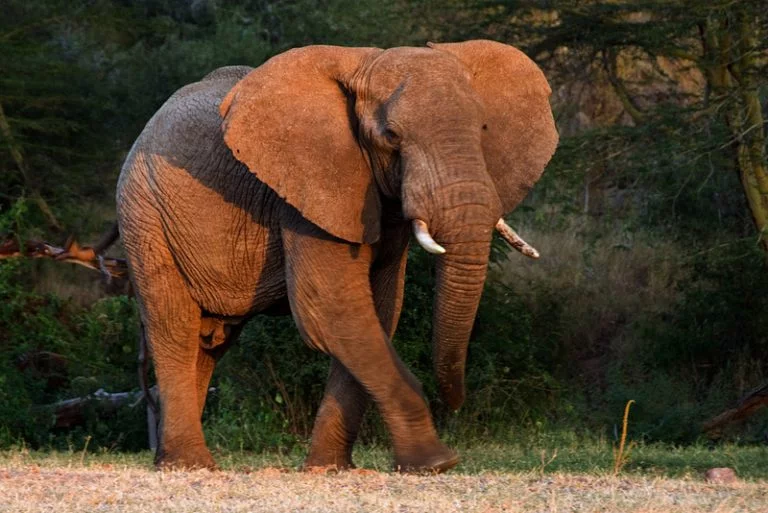
The reason is not hard to guess. African honeybees are aggressive when disturbed, and an elephant’s soft, thinly protected areas are exactly where they go: inside the trunk, around the eyes, behind the ears. A hide several centimetres thick over most of the body is no defence at all in those places.
King turned the behaviour into the beehive fence. Live hives and dummy hives are hung at intervals around a farm plot and linked by wire. An elephant pushing through the wire swings the hives, the bees come out, and the elephant leaves. A study published in 2024 found the fences turned away the great majority of raiding attempts at the times of year when crops were most tempting. The farmers get honey and pollination out of the same fence, which is why the design has spread across Africa and into elephant range in Asia.
An elephant’s nose is powerful enough to be studied for detection work. Read more in our piece on bomb-sniffing elephants and the surprising science of their noses.
What about the tiny ant?
Bees at least sting hard enough that most of us can sympathise. Ants are a stranger story, and it came out of central Kenya.
Todd Palmer and Jacob Goheen kept noticing that elephants would knock over and strip most trees on the Laikipia savanna but left the whistling-thorn acacia, Acacia drepanolobium, more or less alone. That tree houses colonies of Crematogaster ants in swollen thorns and feeds them nectar. The ants swarm anything that touches the branches.
They tested it directly. Remove the ants from the whistling thorn and elephants ate it as readily as anything else. Add live ants to a tree elephants normally love, and they left it alone. The results were published in Current Biology in 2010.
What makes ants intolerable seems to be the same vulnerability the bees exploit. An elephant browsing gets them inside the trunk, and it is not worth the meal. At landscape scale that is a big deal: a herd can flatten a lot of trees in a season, and the ants are the reason whole stands of whistling thorn are still standing.
An animal this size being wary of insects is just one elephant quirk worth knowing. Our guide to ten facts about elephants you probably did not know has plenty more.
Why it matters
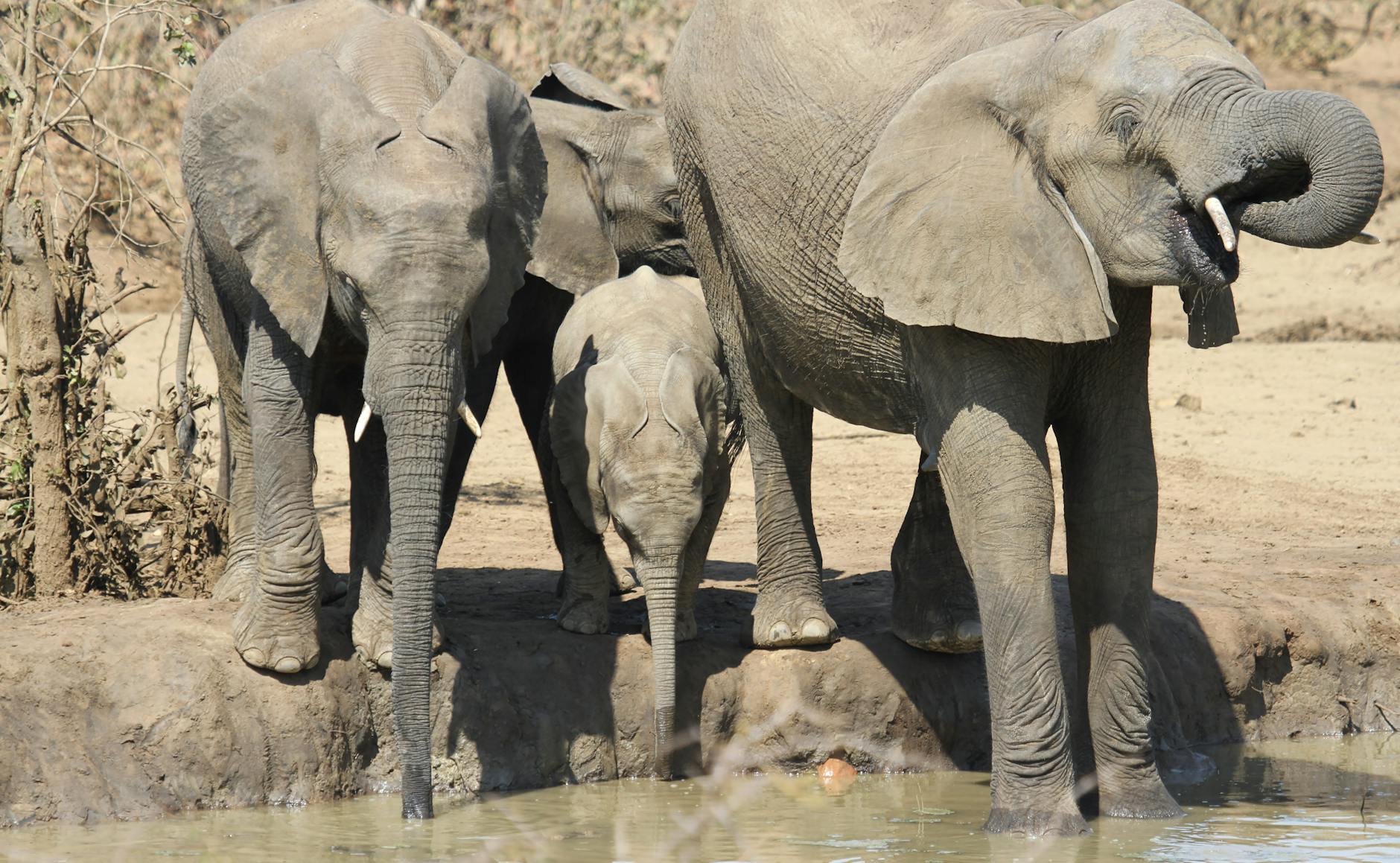
A raiding herd can take a farmer’s entire year in a night, and a farmer who loses that has every incentive to shoot, poison or electrocute the animals responsible. Anything that keeps elephants out of the crop without killing them keeps both sides alive. A fence made of bees is about as cheap and as low-tech as that gets.
Carry on reading
- 100 Elephant Facts: Everything to Know About Earth’s Largest Land Animal: Our master elephant fact sheet: anatomy, cognition, matriarchal society, infrasound, the trunk, tusks and ivory, diet.
- Beehive Fences and Why They Work: Using Bees to Protect Crops from Elephants: Lucy King turned an old observation about elephants avoiding beehives into a working crop-defence system.
- Beehive Fences for Elephants: How They Work and Where They Scale: Lucy King’s beehive fences turn away most crop-raiding elephants and make honey doing it.
- Ten Facts About Elephants You Probably Didn’t Know: Ten things about elephants that hold up when you check them, from two-hour sleep cycles to six sets of molars.
Updated 14 September 2026: corrected the ant experiment description.