The Ivory Trade: A Plain-Language Guide to How It Works
Where ivory comes from, how it moves, why the 1989 CITES ban only half worked, and what the DNA forensics and the 2017 China closure actually changed.

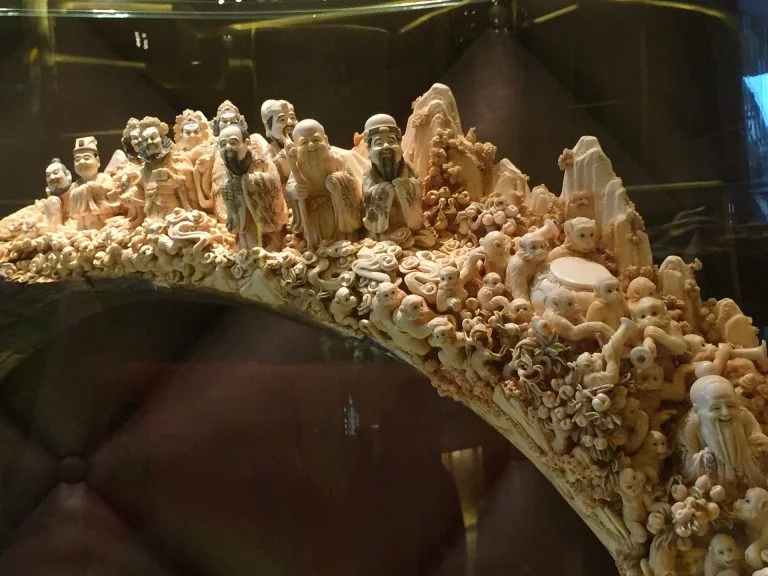
Where ivory comes from, how it moves, why the 1989 CITES ban only half worked, and what the DNA forensics and the 2017 China closure actually changed.
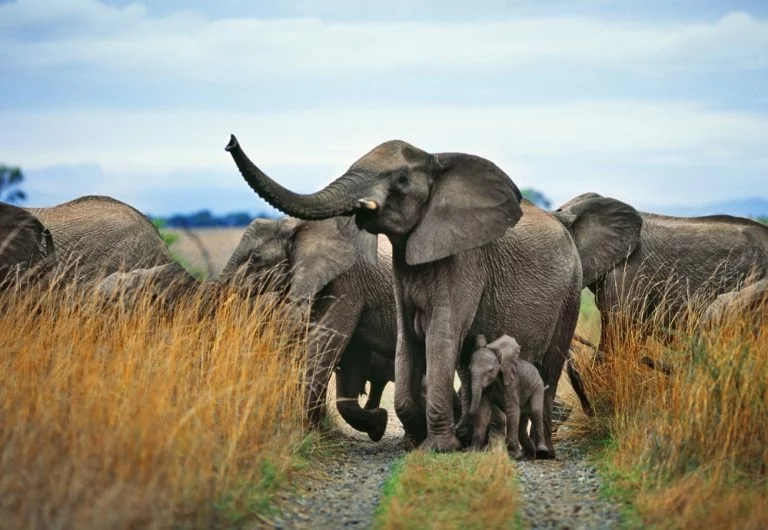
The US ban on elephant trophy imports was suspended in 2014, reversed in 2017, paused within days, moved to case-by-case in 2018 and finally rewritten in 2024. The actual sequence.
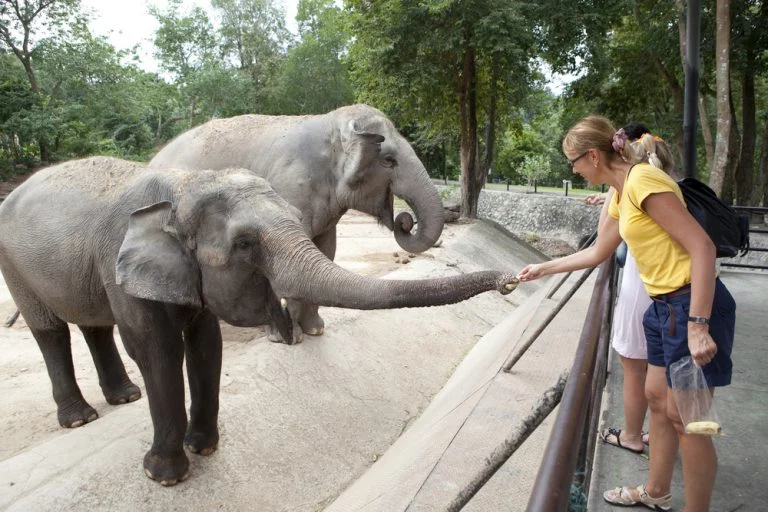
The 2008 Science survivorship study and the Defra-funded Bristol assessment of 77 UK zoo elephants, and what their numbers actually say about captivity.
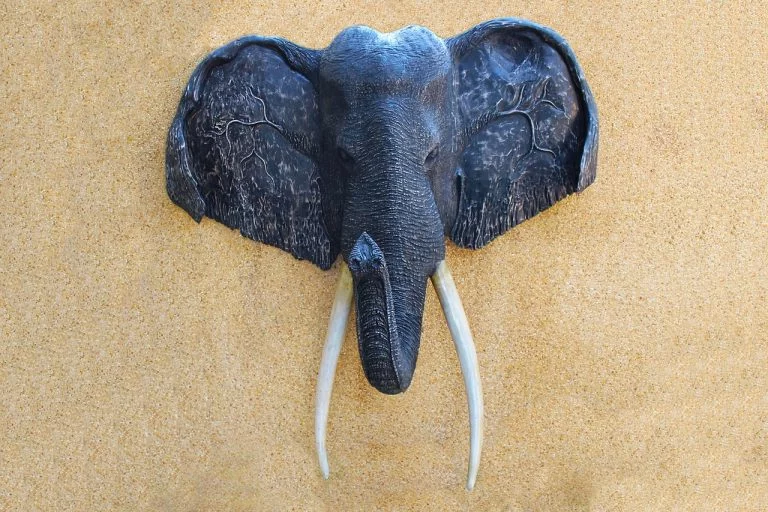
The case for and against elephant trophy hunting, the real US import timeline, and what the Gorongosa tusklessness research actually found.
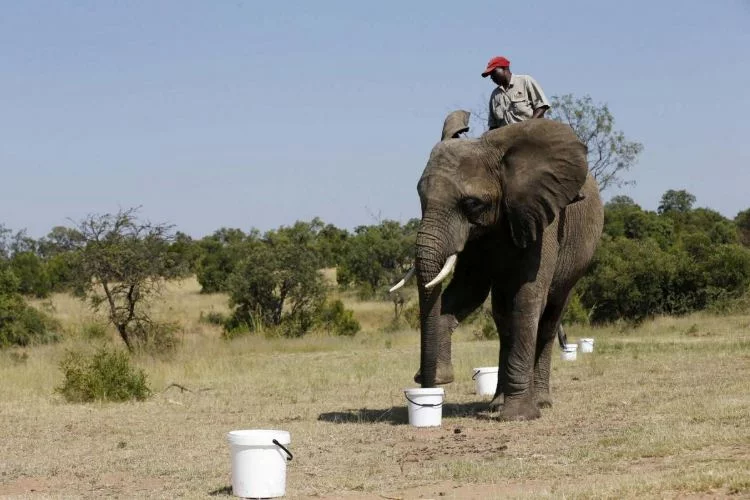
A 2015 study found African elephants can detect TNT more accurately than bomb dogs. Here is the science behind the elephant nose, and why the result never became a working programme.
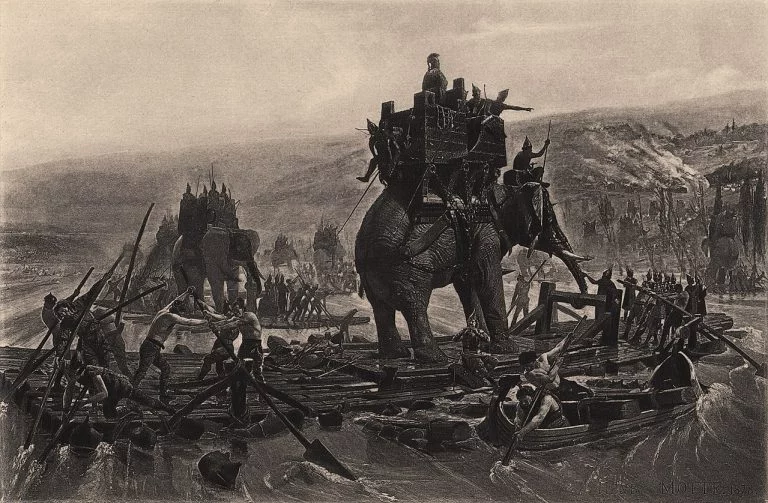
Humans and elephants share 1.8 million years of history across hunting, war, work, religion, ivory trading and modern conservation.
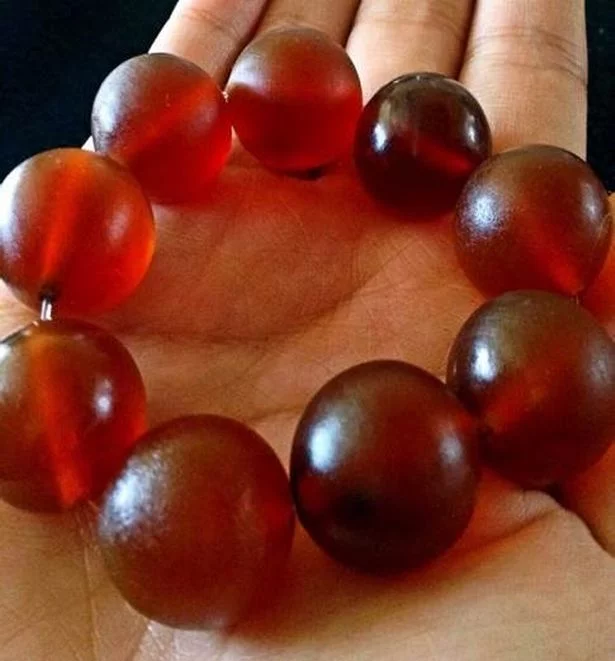
Poachers in Myanmar started killing elephants for skin rather than ivory. Unlike ivory, it puts every cow and calf at risk. What the investigations found.

Fifty years of continuous research, an unfenced population living on Maasai land, and a threat list where drought now outranks poaching.
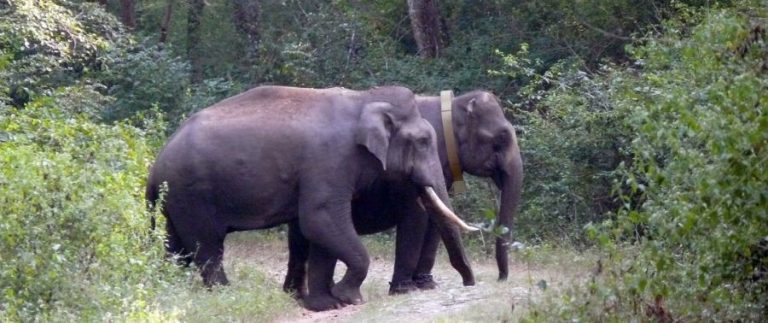
How GPS collars work, what geofencing alerts actually do for farmers, why forest elephant collaring is so hard, and what a collar cannot do on its own.

Seven of the best places on earth to see wild elephants, from Chobe and Tarangire to the Kinabatangan River and the Nilgiri biosphere, with where to go in each.
We send one careful elephant roundup per month. Conservation news, species profiles, the occasional reader question we could not resist answering.
We never share your email. One-click unsubscribe.