
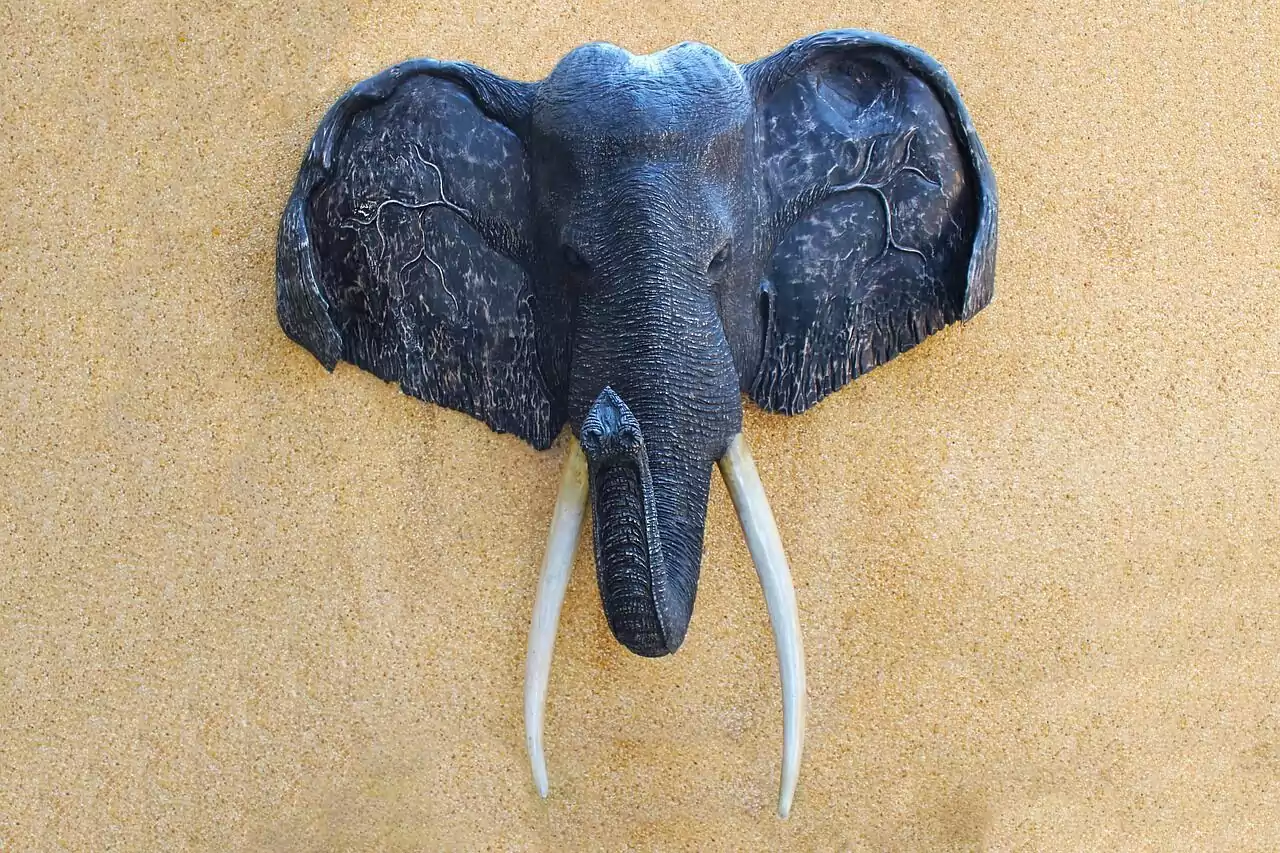
Elephant Trophy Hunting: Does It Help or Hurt the Species?
Last updated: September 6, 2026
7 min read
Elephant trophy hunting is legal in a number of African range states under CITES export quotas, and it is one of the most polarizing issues in modern conservation. Supporters argue it generates revenue and gives rural communities a financial reason to tolerate elephants. Opponents argue it removes the oldest tusked bulls and that the money rarely reaches the people it is supposed to. This is the long story, with the evidence on both sides and the gaps in that evidence named plainly.
Key facts at a glance
| Where it is legal | Several range states hold CITES export quotas for elephant hunting trophies, including Botswana, Namibia, South Africa, Tanzania and Zimbabwe |
| Example national quota | South Africa: 300 tusks from 150 animals a year, set by the CITES parties |
| Typical hunt price | Tens of thousands of US dollars per elephant, varying by country and concession |
| Largest trophy importer historically | United States |
| Current US import rule | Since a 2024 rule change, imports are only allowed from countries that certify their elephant management and hunting programmes annually to the US Fish and Wildlife Service |
| Position of the IUCN African Elephant Specialist Group | Trophy hunting is one tool, effective only with strong governance |
| Position of major anti-trophy NGOs | Born Free, Humane World for Animals and IFAW oppose |
| Position of southern African range states | Support, framed as community sovereignty |
What trophy hunting actually is
Trophy hunting is the regulated killing of a wild animal for sport, with the tusks, head or other body parts taken by the hunter. For elephants it operates under quotas set by national wildlife authorities and agreed by the CITES parties. Hunters pay a substantial fee, typically tens of thousands of US dollars, split between the national wildlife department, the community where the hunt takes place, and the safari operator who arranges it.
The legal trophy trade is small in volume but high in visibility, especially when an individual hunt is publicised on social media. It is legally separate from the illegal commercial ivory trade covered in our piece on the ivory trade, but the two intersect: trophy tusks can be legally exported as personal effects, which creates a parallel supply that complicates enforcement of the commercial ban.
One thing we cannot give you is a reliable combined annual figure for elephants taken as trophies. Quotas are set per country in tusks rather than animals, they are revised between CITES meetings, and actual offtake routinely falls below quota. Any single headline number you see for “elephants shot by trophy hunters each year” should be treated with suspicion unless it names its source.
The argument for: revenue, incentives, governance
Proponents make three arguments. Revenue: hunting fees are a meaningful line item for wildlife departments in countries where the conservation budget is thin. Local incentive: when communities receive a documented share, they have a financial reason to tolerate elephants on their land rather than supporting retaliatory killing. Population management: a small number of older bulls can be removed without affecting population growth, and the income funds ranger units that protect the wider population.
The clearest test case is the Communal Areas Management Programme for Indigenous Resources, CAMPFIRE, in Zimbabwe, which has channelled hunting revenue to local communities since 1989. CAMPFIRE has been credited with holding elephant numbers steady in several Zimbabwean conservancies through the wider poaching waves of the 1990s and 2000s, though its performance has tracked the country’s wider governance and economic problems.
The argument against: old bulls, revenue capture and ethics
Opponents also make three. Selection: hunters target the largest tusked bulls, who are still reproductively active in their 40s and 50s and who carry the genes for large tusks. Revenue capture: the community share is often smaller in practice than in the brochure, and the auditing is weak. Ethics: killing a sentient, social, long-lived animal for sport is indefensible regardless of the conservation arithmetic.
The selection argument is often reported carelessly, so it is worth being precise. The best evidence that ivory hunting can reshape a population genetically comes from Gorongosa in Mozambique, where Shane Campbell-Staton and colleagues published in Science in 2021. During and after the Mozambican civil war, heavy ivory poaching cut the Gorongosa elephant population by about 90 percent, and the proportion of tuskless females rose from 18.5 percent to 50.9 percent over 28 years. Crucially, this is a female trait. The genetic variant involved sits on the X chromosome and appears to be lethal in males, which is why you do not see a corresponding wave of tuskless bulls. That study is about wartime poaching, not trophy hunting, and the long-term genetic effect of regulated trophy offtake on tusk size remains poorly characterised.
The US import rules
The single largest market for elephant trophies has historically been the United States, and US policy has swung repeatedly. In 2014 the Fish and Wildlife Service suspended imports of sport-hunted elephant trophies from Tanzania and Zimbabwe under the Endangered Species Act. In November 2017 the agency announced it would allow Zimbabwe and Zambia imports again, then paused that decision within days after a public backlash. In March 2018 it withdrew its earlier country findings altogether and moved to case-by-case permitting.
The most substantial change came on 29 March 2024, when the Fish and Wildlife Service published a revised rule under section 4(d) of the Endangered Species Act. For trophies taken on or after 1 May 2024, imports are only permitted from countries that provide the agency with an annual certification covering the status and management of their elephants and their hunting programmes. From 1 January 2026 a further condition applies: the exporting country must be classified as Category One under the CITES national legislation project.
What the evidence actually shows
- Elephant populations in Botswana and Namibia have been stable or growing across the period in which regulated hunting operated. Botswana holds roughly 130,000 elephants, the largest national population on the continent. Attributing that to hunting specifically is a much harder claim than the correlation supports.
- Outcomes in higher-corruption contexts have been ambiguous, with documented revenue capture problems and slow population recovery.
- Botswana’s hunting moratorium, from 2014 to 2019, did not produce measurable elephant population gains. The government framed the 2019 resumption as a community sovereignty issue rather than a conservation one.
- Hunting concessions are typically remote and low-volume, which is why the revenue-per-visitor argument for funding anti-poaching in places photographic tourism cannot reach keeps being made.
- Long-term effects on tusker genetics from regulated hunting are not well studied. The precautionary principle argues against sustained targeting of the largest old bulls.
Practical positions taken by major institutions
The IUCN African Elephant Specialist Group treats trophy hunting as one conservation tool among several, effective only with strong governance and genuine community participation. The southern African range states defend it as a matter of national sovereignty and rural livelihood. Born Free, Humane World for Animals and IFAW oppose it on welfare and ecological grounds. WWF and Save the Elephants take more nuanced positions, backing community-managed conservancies without endorsing trophy hunting as such.
What you can do
If you are opposed to trophy hunting, support campaigns to maintain the US import restrictions, donate to the organisations campaigning on it, and refuse to travel with operators who also sell trophy hunts. If you are sympathetic to the community-incentive argument, support community-managed photographic conservancies such as the Northern Rangelands Trust in Kenya and the Mara conservancies, which generate revenue without the trophy-hunting downsides. If you are unsure, the safest actions either way are: do not buy ivory, do not share trophy photographs, and read the underlying research before settling on a position.
Where to go next
For the wider ivory trade, see our long piece on the ivory trade. For species context, see our African elephant species profile. For conservation infrastructure, see elephant collars and our hubs on elephant conservation and elephant facts.
Frequently asked questions
Is elephant trophy hunting legal?
Yes, in several African range states that hold CITES export quotas, among them Botswana, Namibia, South Africa, Tanzania and Zimbabwe. Hunts run under quotas set by national wildlife authorities and agreed by the CITES parties, and trophies including tusks can be exported as personal effects under CITES permits. That is legally separate from the commercial ivory trade, banned since 1989.
How many elephants are killed in trophy hunting each year?
There is no single trustworthy continent-wide figure. Quotas are set per country and expressed in tusks, they change between CITES meetings, and actual offtake is usually lower than quota. As a scale comparison, South Africa’s quota alone is 300 tusks from 150 animals a year. Whatever the true total, it is small next to illegal poaching, which peaked at roughly 40,000 elephants in 2011.
Does trophy hunting fund conservation?
Some of it does. A portion of each fee funds national wildlife departments and anti-poaching work. Whether a meaningful share reaches the community living alongside the elephants depends heavily on national governance, and independent reviews have repeatedly found the community share smaller than advertised. Published revenue totals for the sector vary widely and are difficult to verify, so we have not quoted one here.
Does trophy hunting make elephants tuskless?
Not as the popular version of the story has it. The documented case of rapid tusklessness is Gorongosa in Mozambique, where the driver was mass ivory poaching during the civil war rather than regulated hunting, and where the trait appears in females, not bulls. The genetics are X-linked and appear to be lethal in males. Whether regulated trophy offtake reduces average tusk size over generations is a reasonable worry that has not been well tested.
Why did the United States change its trophy import rules?
Repeatedly, and in both directions. Suspensions on Tanzania and Zimbabwe in 2014, an attempted reversal in November 2017 that was paused within days, a shift to case-by-case permitting in March 2018, and then a substantive rule change on 29 March 2024 requiring annual certification from exporting countries, with a CITES Category One requirement added from 1 January 2026.
What is CAMPFIRE?
The Communal Areas Management Programme for Indigenous Resources, a Zimbabwean scheme founded in 1989 that channels wildlife hunting revenue to local communities. It is the clearest historical test case for the argument that revenue-sharing creates a reason to tolerate elephants, and its results have varied with the country’s wider governance.
What are the alternatives?
Community-managed photographic conservancies, where local people take a share of non-consumptive tourism revenue. The Northern Rangelands Trust in Kenya, the Mara conservancies and the Kavango-Zambezi transfrontier area all use the model. They need higher visitor numbers and better tourism infrastructure to produce the same income, which is precisely why they do not work everywhere.
More about elephants
- Elephant Conservation 2026: How to Save the Last Giants: Poaching trends, the 1989 ivory ban, the zoo and sanctuary debate, trophy hunting.
- Elephant Trophy Imports to the USA: How the Rules Changed: The US ban on elephant trophy imports was suspended in 2014, reversed in 2017, paused within days, moved to case-by-case in 2018 and finally rewritten in 2024.
- Elephant Trophies Allowed Again in U.S.: In March 2022 the US cleared its first Zimbabwean elephant trophies in five years, after a 2021 settlement with the Dallas Safari Club.
- Elephants in Zimbabwe: Hwange and the KAZA Anchor: Hwange, Mana Pools and Gonarezhou, why Zimbabwe’s elephant abundance is its central conservation problem, and where the CITES ivory argument actually stands.


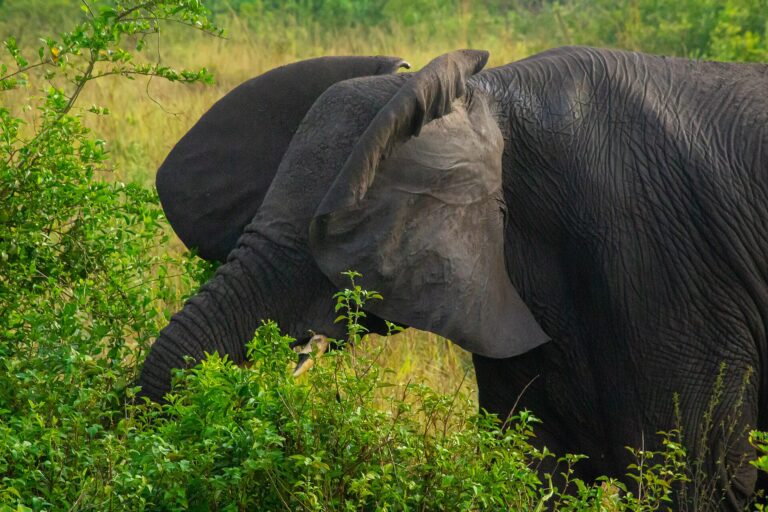
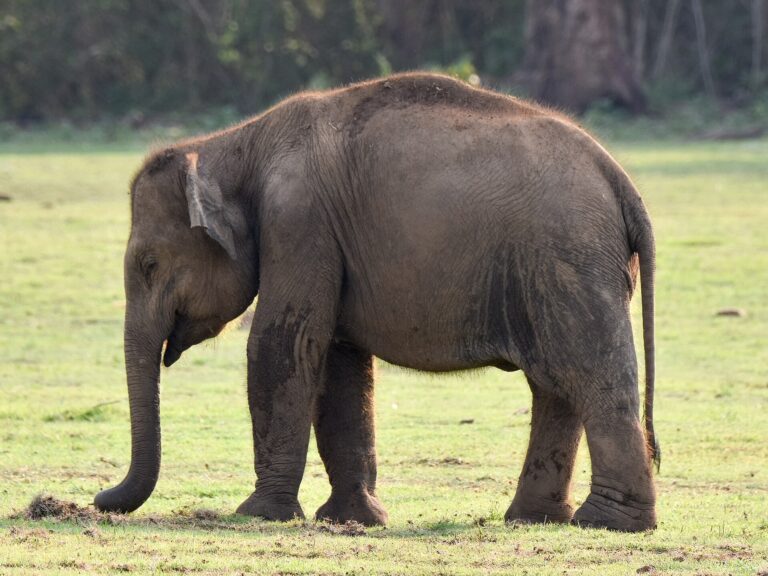

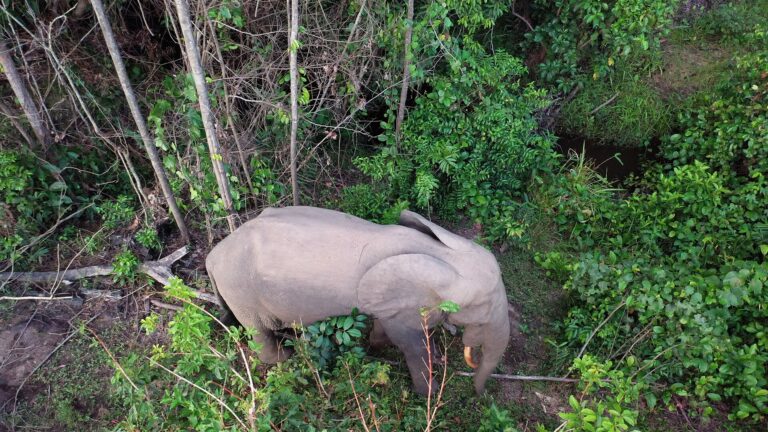
The strongest counter to the pro-hunting argument is the genetic one: removing the oldest tusked bulls measurably shifts allele frequencies in populations. Selous data from the 2010s shows a real shrinkage in average tusk size in regions with sustained trophy hunting.
Botswana’s 2019 lifting of the hunting ban was political not biological. The community-revenue argument has merit but pretending it overrides the genetic and demographic costs feels disingenuous.