
Elephant Conservation in 2024: The Year in Review
Last updated: November 18, 2026
4 min read
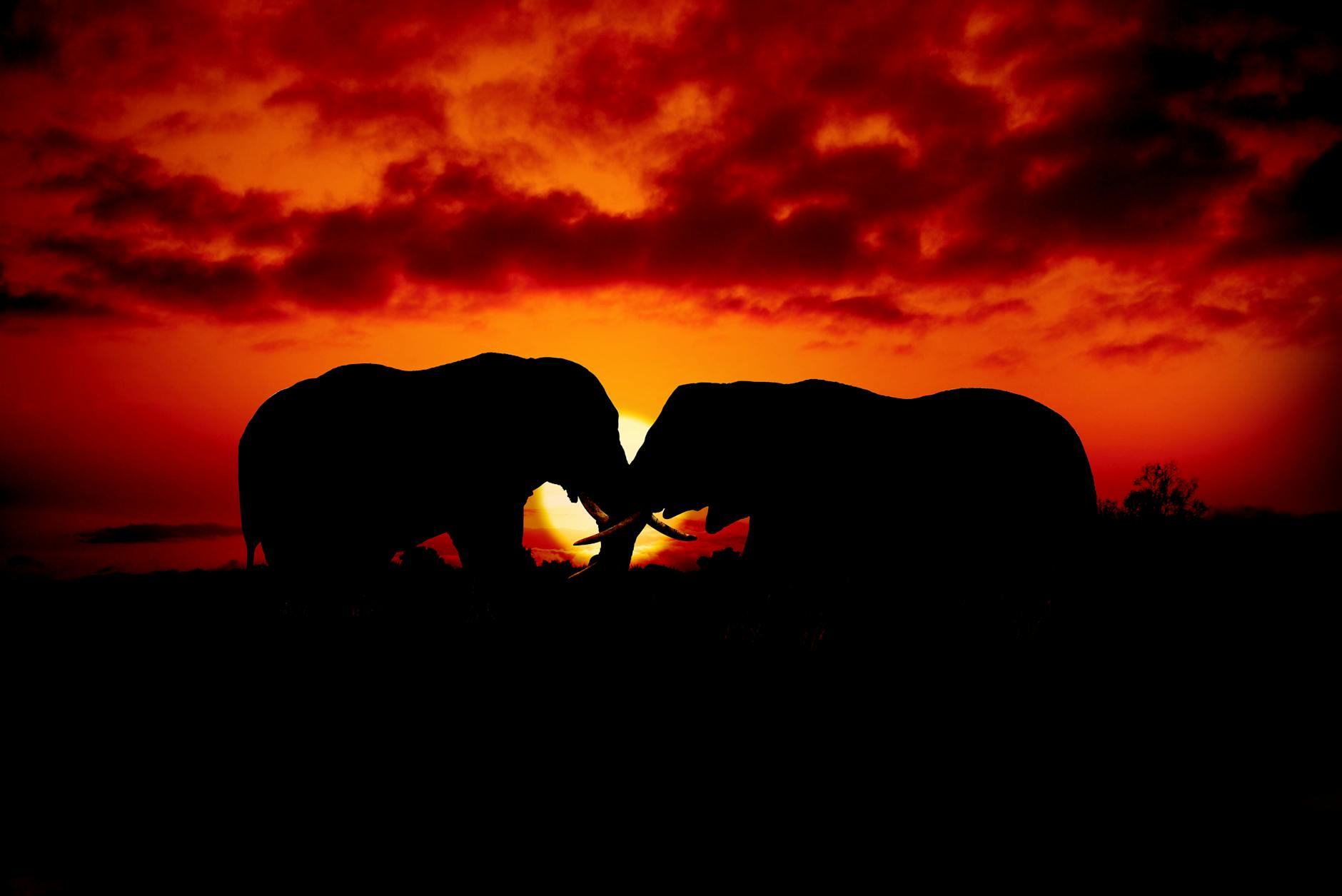
Photo by Bisakha Datta on Pexels.
In June 2024, the IUCN first assessed the Bornean elephant as a distinct subspecies and listed it as Endangered. The year produced no new global species estimate. What it did produce was an argument about culling, a diplomatic row about trophy hunting, and one genuinely useful piece of research. Here is what is on the record, and what happened afterwards.
Status at the end of 2024
| African savanna elephant | Endangered (IUCN, assessed 2021) |
| African forest elephant | Critically Endangered (IUCN, assessed 2021) |
| Asian elephant | Endangered (IUCN) |
| Red List changes during 2024 | Bornean elephant first assessed as a distinct subspecies and listed Endangered |
Drought and culling in southern Africa
The biggest elephant story of 2024 was the southern African drought, the worst the region had seen in decades. In August, Namibia announced it would cull 723 wild animals including 83 elephants and distribute the meat to people affected by food shortages. In September, Zimbabwe authorised the killing of 200 elephants for the same reason.
Both governments argued the culls would reduce pressure on land and water and head off conflict as animals pushed further into settlements. Conservation organisations argued back that the measure was cruel, short-term, and set a precedent that would be difficult to walk away from. Neither side changed the other’s mind.
Botswana, Germany and the trophy hunting row
In April, Botswana’s then president Mokgweetsi Masisi responded to proposed trophy-import bans in Germany and the United Kingdom by publicly offering to send 20,000 elephants to Germany. The offer was rhetorical, since CITES rules make exporting live elephants outside their natural range effectively impossible, but the point behind it was serious enough. Botswana holds roughly a third of Africa’s elephants and argues that the countries proposing the bans do not carry the cost of living with the animals.
The research that mattered
In October, Lucy King and colleagues published a nine-year assessment of beehive fences in Conservation Science and Practice. Across six peak crop-growing seasons the fences deterred an annual average of 86 percent of approaching elephants, dropping to 76 percent when the drought years were included. The drought finding is the useful part: the method weakens when bee colonies fail, which is precisely when farmers can least afford a crop loss. Our full piece on beehive fences goes through the detail.
What happened next
Three things worth knowing if you are reading this after the fact.
India published the results of its first DNA-based national elephant estimate in 2025, putting the wild population at 22,446, with Karnataka holding the largest share. The figure is not directly comparable with the final 2017 figure of 29,964 from the older synchronised count, because the counting technique changed. Our state by state table sets the two rounds side by side.
CITES CoP20 met in Samarkand, Uzbekistan, from 24 November to 5 December 2025. Namibian proposals that would have allowed trade in ivory and rhino horn were heavily voted down, and the parties formally recognised the two African elephants as separate species.
In November 2025 a reassessment using DNA-based survey methods put the African forest elephant at around 135,690 animals, a higher figure than previous estimates but arrived at with better methods rather than through recovery. The species remains Critically Endangered.
Help us fill the gaps
There is less on the public record about 2024 than a year-in-review headline suggests. Plenty of conservation work happened that was never written up anywhere we could find. If you worked on something that year that belongs in this picture, leave a comment and we will add it.
Frequently asked questions
Was 2024 a good or bad year for elephants?
Bad in southern Africa, where drought led two governments to cull elephants for meat. The IUCN also listed the Bornean elephant as Endangered in its first distinct-subspecies assessment.
Did any species change Red List status?
No. The African savanna elephant remained Endangered, the African forest elephant Critically Endangered, and the Asian elephant Endangered.
Why did Namibia and Zimbabwe cull elephants?
Both cited the regional drought, saying the culls would feed people and reduce pressure on water and grazing. Namibia listed 83 elephants among 723 animals in August 2024, and Zimbabwe authorised 200 in September.
Did Botswana really offer Germany 20,000 elephants?
The president said so publicly in April 2024, during a dispute over proposed trophy-import bans. It was a rhetorical move rather than a plan, since CITES rules would not permit it.
What should I read next?
Our beehive fences piece covers the year’s most useful research, and our conservation pillar has the longer view.
See our elephant news category and our conservation pillar.
Related reading
- Elephant Conservation 2026: How to Save the Last Giants: Poaching trends, the 1989 ivory ban, the zoo and sanctuary debate, trophy hunting.
- IUCN Red List Updates: What Has Changed for Elephants: Where every elephant species and subspecies sits on the IUCN Red List, including the Bornean elephant’s first listing in 2024.
- AfESG Elephant Status Reports: What the Numbers Actually Say: The IUCN African Elephant Specialist Group published its forest elephant status report in November 2025: 135,690 animals, up 16 percent on 2016 because of better counting.
- Ivory Trade Law: Where It Stands After CITES CoP20: Domestic bans, the Appendix II carve-out for four southern African states, the live-elephant export loophole, and what the Samarkand CITES conference actually decided in late 2025.
Updated 14 September 2026: added the Bornean elephant’s 2024 Red List assessment.
Updated 18 November 2026: corrected the 2017 India figure to the final 29,964 and linked the state by state table.




Eastern African recovery continuing alongside central African pressure is the dual picture that always needs holding in mind.
AsESG status update prep through 2024 sets up CoP20. The cycle of these things is the slow but real progress.
AfESG and AsESG status updates are the under-cited backbone of the whole conservation conversation. Their reports should be required reading.
Botswana revisiting culling and landing on translocation is a real policy debate worth watching.
Karnataka confirming its lead in the Indian census is the kind of regional good news that doesn’t get headlines but should.
Acoustic monitoring for forest elephants going from pilot to operational is the under-reported story of the year.
Mainland Chinese ivory prices continuing to slip is the demand-side indicator that matters most.