
Elephant Kills Owner in Thailand: What It Says About Working Elephants
Last updated: September 14, 2026
3 min read
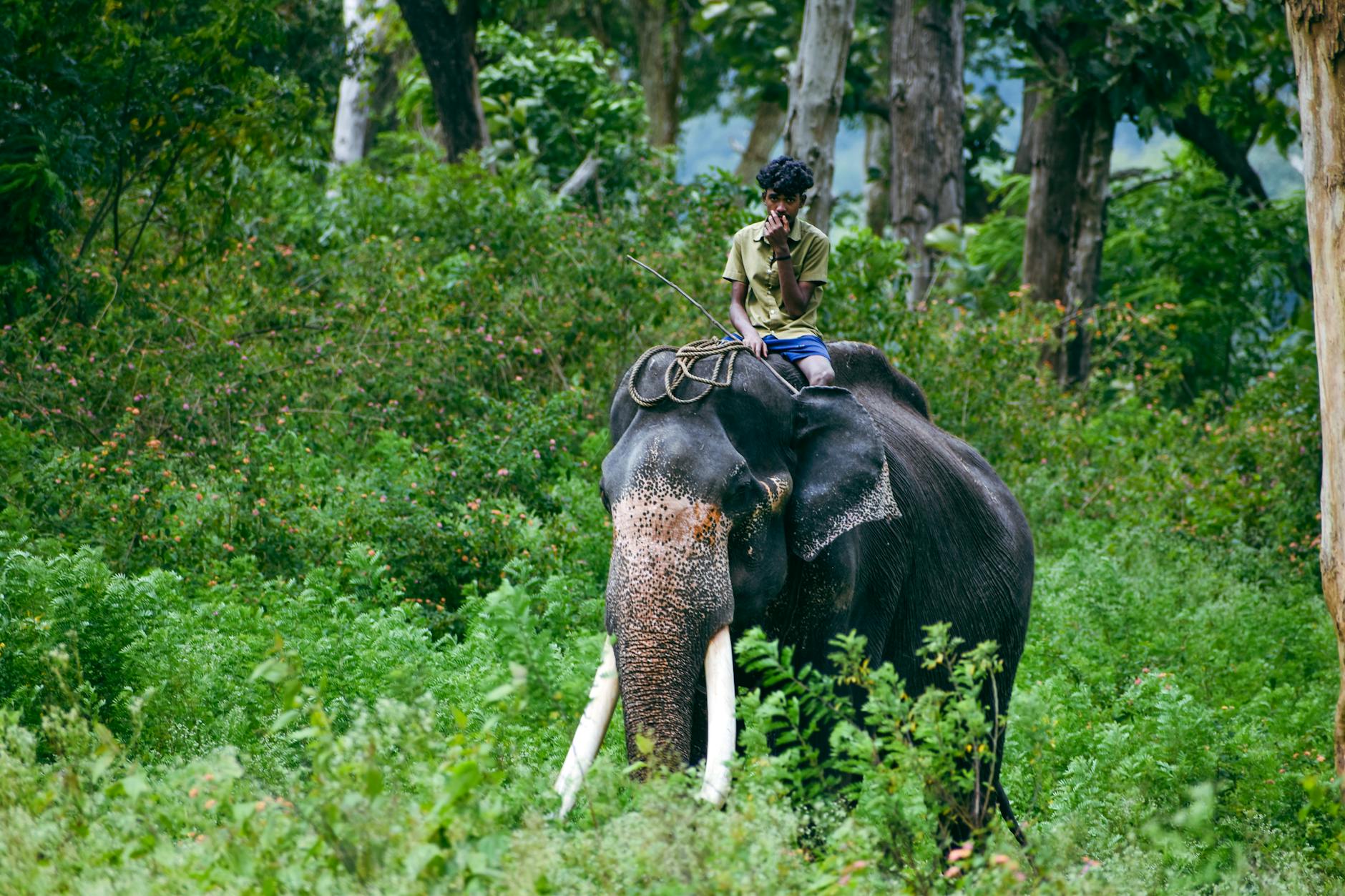
On 17 August 2022, in Phang Nga in southern Thailand, a 20-year-old working elephant called Pom Pam killed his owner with his tusks. Supachai Wongfaed was 32. He had been using the elephant to haul rubber wood in temperatures around 32 degrees Celsius, and police found his body at the plantation with the elephant still standing over it. Officers had to sedate Pom Pam before anyone could recover him.
It is a grim story and not a freak one. It points at the long-running problem of Thailand’s captive working elephants, which is what this post is about.
Why a working elephant can suddenly turn
Elephants are not naturally aggressive towards people. They are intelligent, social and largely tolerant, which is exactly why humans have used them as labour for so long. But tolerance has limits and several pressures push at them at once.
Heat and exhaustion are the obvious ones. Asian elephants lack sweat glands over most skin and shed heat slowly through their ears and skin, so heavy work in tropical midday conditions is physiologically dangerous, not merely unpleasant. Musth is the second: adult bulls go through periodic surges in testosterone that make them far more volatile and easily provoked. Chronic pain from badly fitted harnesses, old injuries or handling tools adds to the load. Tired, hot, sore and stressed at the same time, an animal of that size has a very short fuse.
Thailand’s logging ban and why it is still broken
What makes Pom Pam’s case worse is that the work itself is a leftover from a banned industry. Thailand revoked logging concessions in natural forests in 1989 after deforestation and deadly landslides. Logging remained legal in plantation forests. Overnight, thousands of elephants bred and trained specifically to drag timber had no legal job.
The ban did not free those elephants, it stranded them. Many went into tourism, giving rides and performing. Others kept doing heavy hauling informally on plantations and farms, out of sight of anyone enforcing anything. Carrying rubber wood on a plantation is exactly that grey-area labour: the animal is technically protected from commercial logging and still spends its day under a load.
The life of a captive working elephant
To understand the pressure behind a story like this, it helps to know what the days look like. A captive working elephant in Thailand typically faces some combination of:
- Long hours of physical labour hauling wood and equipment.
- Chaining for much of the day and night.
- Training from a young age that relies on pain and fear to establish control.
- Limited social contact, when wild elephants live in close family herds.
- Diet and rest set by the owner’s workload rather than the animal’s needs.
Elephants form lifelong bonds, respond to their dead, and remember individuals for decades. An animal with that range, kept in chains and pushed past exhaustion, is under real strain. They are docile until they are not.
The Ekasit case
Pom Pam is not the only one. In November 2017 a bull called Ekasit killed his 54-year-old owner, Somsak Riengngen, at Chiang Mai Zoo. Ekasit was a working film elephant, best known for appearing in the Ong Bak martial arts films, and was being housed at the zoo under a contract. Somsak had just unchained him. The elephant took a few steps, turned back, grabbed him with his trunk and crushed him. Ekasit was 32 and in musth at the time.
It is tempting to read these as revenge. The more useful reading is that they are warnings, and that each one contains the same ingredients: a large, intelligent animal kept in conditions that ignore its physiology and its psychology, until something gives. The pattern repeats because the conditions repeat.
A better path for Thailand’s elephants
There is a version of this that does not involve hauling timber. Observation-only sanctuaries, where elephants are watched rather than ridden or worked, have grown across the country and offer rescued animals a calmer life. Enforcing welfare rules, supporting the mahout families whose income depends on these animals, and moving steadily away from heavy-labour use are all part of it.
Thailand’s relationship with elephants runs back centuries, and you can read more about that in our piece on the white elephants of Thailand. A death like Supachai Wongfaed’s is not really a story about a dangerous animal. It is a story about the cost of asking a wild one to do a job it was never built for.
Updated 14 September 2026: corrected the logging ban and an anatomy claim.




framing pom pam as the aggressor misses the welfare context entirely. a 20 year old bull carrying rubber wood in blazing heat, in violation of the 30 year ban on logging elephants, is what set this up. bull elephants under that level of exhaustion and likely in early musth should not be working tourist-adjacent areas, full stop. supachai’s death is tragic but it was structural.
the retaliation-at-the-funeral story in the second paragraph is one of those details that gets folklorised but the literature actually has decent records of bull elephants returning to specific sites where humans hurt them. is this still mostly anecdotal or is there proper longitudinal data on the same-individual-revisit pattern?