
Captive Asian Elephants in 2024: Where the Welfare Picture Sits
Last updated: October 27, 2026
5 min read
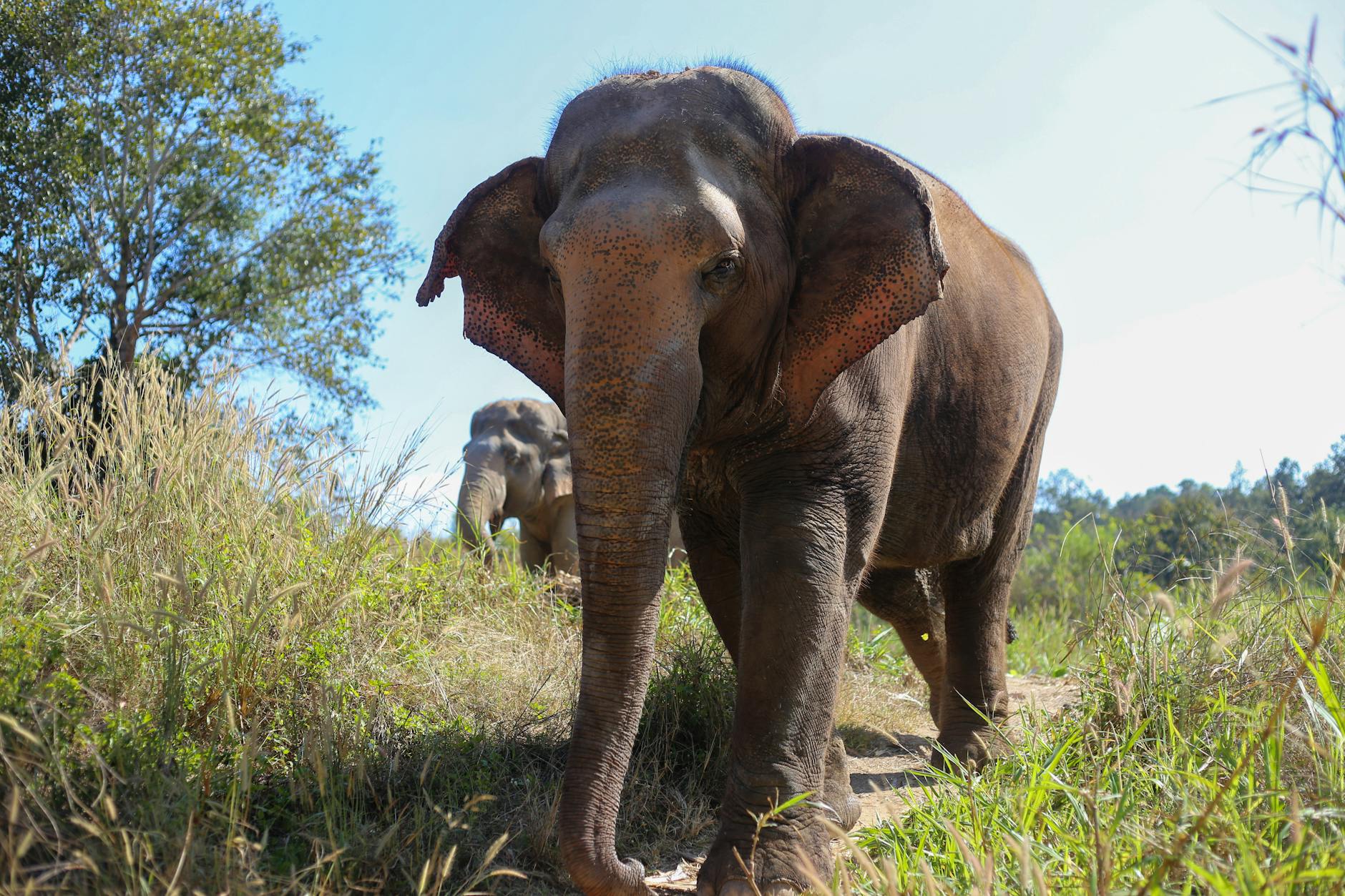
Photo by Morgann McKunes on Pexels.
A 2019 estimate put about 15,000 Asian elephants in captivity across south and south-east Asia. Against the IUCN’s 2024 figure of about 40,000 in the wild, captive elephants were about 27 percent of the combined total. By 2024 the welfare picture was genuinely mixed: real reform in some places, entrenched problems in others.
Zoo populations face their own welfare crisis, which we cover in our piece on why so many elephants are dying in zoos.
Where they are
Myanmar holds the largest single captive population, much of it the legacy of the state logging operation, with several thousand animals across the Myanmar Timber Enterprise and private ownership. Thailand is second, with a tourism-focused population that stood at 2,849 animals in 236 venues in the 2024 to 2025 assessment period. India is third, with temple, private and forest department holdings totalling somewhere in the region of 2,500 to 3,500 depending on which census you use.
Sri Lanka, Laos, Cambodia and Indonesia each hold smaller numbers. Vietnam’s captive population is now under a hundred and ageing fast.
Working elephants
Myanmar’s logging elephants have a structured care system through the Myanmar Timber Enterprise, with retirement camps for older animals. Myanmar banned raw log exports in 2014 and imposed a nationwide logging pause in 2016, which left a great many working elephants and their mahouts in an unresolved limbo.
Forest department elephants in India work patrols and ceremonial duties. Standards vary sharply by state and by director, with some Karnataka units running notably well.
Temple elephants
South Indian and Sri Lankan temple traditions put adult bulls into festival processions. The welfare problems are well documented: hot tarmac, crowd noise, restricted movement and unsuitable diet.
Reform is slow because temple ownership is culturally and politically protected. Several Indian states now run rehabilitation centres for confiscated festival elephants. Kerala’s captive population has meanwhile fallen by roughly a third in six years, which has left the surviving bulls booked into more festivals rather than fewer.
Tourism elephants
Thailand is the centre of the tourism-focused captive industry. The direction of travel through 2024 was real but slower than the headlines suggest: the share of elephants used for rides fell from 92 percent in 2010 to 43 percent in 2024, but because the total captive tourism population grew by more than 70 percent over the same period, the actual number of elephants being ridden fell by only about 20 percent. Nearly two in three were still assessed as living in poor conditions.
The genuine no-ride sanctuaries, Elephant Nature Park and Boon Lott’s Elephant Sanctuary among them, show that the observation-only model is commercially viable. Most other operators have not switched.
Veterinary care progress
EEHV, elephant endotheliotropic herpesvirus, remains the biggest killer of captive calves. Asian and zoo veterinary networks now share rapid PCR diagnostics and antiviral protocols, and survival has improved where those are available.
Foot care has improved sharply with the spread of protected-contact husbandry, but foot disease is still common in lower-standard facilities.
How to evaluate a facility
No riding and no bull hook are the two non-negotiable starting filters. Beyond that: genuine herd housing for at least part of the day, protected-contact husbandry, no performance shows, no isolated chained animals.
Veterinary quality is the hardest thing to judge from outside. Ask whether vet records are available on request. Good operations share them; weak ones deflect.
For a third-party check, Asian Captive Elephant Standards (ACES), set up in Thailand in 2019, audits camps against the 214 criteria in its 2026 criteria and publishes the camps it certifies. Those criteria regulate riding and bathing with visitors rather than banning them, so certification shows a camp was audited, not that it offers no riding. World Animal Protection’s elephant-friendly list, reviewed in December 2025, names venues with no riding, bathing or direct contact.
Country notes
Myanmar’s captive population came under additional pressure after the 2021 coup, with funding for Myanmar Timber Enterprise retirement camps cut. Welfare partner organisations have stepped in at some sites, but the overall picture is incomplete and hard to verify from outside the country.
India’s state-level variation is the single largest welfare variable. Kerala’s confiscation centres for temple elephants are a real reform, and Karnataka’s forest department units are operationally strong. Other states lag badly.
Thailand shifted slowly through 2024. Voluntary standards have grown adoption, but ride-based operations remain commercially dominant outside the well-known no-ride sanctuaries.
Frequently asked questions
How many captive elephants are there in Asia?
Around 15,000 across the range states, plus several hundred more in zoos elsewhere in the world.
Which country has the most?
Myanmar, mainly as a legacy of the state logging operation. Thailand is second and India third.
Are temple elephants well treated?
Generally no. The welfare problems are well documented and the political obstacles to reform are the reason they persist.
How do I find a genuine sanctuary?
No riding, no bull hook, no shows, real herd housing, and an accreditation you can look up rather than a claim on a website.
What is EEHV?
Elephant endotheliotropic herpesvirus, the leading cause of death in captive elephant calves. It can kill within days, which is why rapid PCR testing matters so much.
Has Thailand banned rides?
No. Captive elephants there are regulated as working animals, standards are largely voluntary, and enforcement is mixed.
Do captive elephants live as long as wild ones?
Not reliably. A widely cited 2008 study in Science found median lifespans for zoo-held elephants well below those of comparable wild and working populations. Good captivity narrows the gap; poor captivity widens it considerably.
Who tracks captive welfare?
Asian Captive Elephant Standards for camp audits (its criteria allow riding within limits), World Animal Protection for its elephant-friendly venue list, and academic veterinary networks for the health side.
Our elephant sanctuaries guide goes into the vetting process in more detail, and our Thailand overview covers the country picture.
This article is part of our elephant conservation guide, which links all our reporting on threats, trade, captivity and what helps.
Also worth reading
- 100 Elephant Facts: Everything to Know About Earth’s Largest Land Animal: Our master elephant fact sheet: anatomy, cognition, matriarchal society, infrasound, the trunk, tusks and ivory, diet.
- Ethical Elephant Tourism in 2026: How to Tell Real From Show: Riding, bathing and shows all rest on the same training.
- Asian Elephants and the Timber Industry in Myanmar: A Working Heritage at Risk: Five thousand captive elephants, a logging ban that put most of them out of work, and a skin trade that kills females and calves as readily as bulls.
- Elephants in Myanmar: Wild Range and the Working Tradition: Around 5,000 captive elephants, the largest such population on Earth, set against a wild population of under 2,000 being killed for its skin.
Updated 14 September 2026: dated the captive population estimate and corrected its share.
Updated 27 October 2026: corrected the description of ACES certification, which allows riding within limits.


Temple elephants in south India is the welfare story that frustrates me most. Cultural protection means real reform is slow.
Myanmar’s logging legacy is the bit that surprises me. State logging operation pivoting to retirement camps is not the trajectory I expected.
EEHV as the leading captive calf killer needs to be more widely known. Antiviral protocols sharing across networks is real progress.
Boon Lott’s and Elephant Nature Park both demonstrate the no-ride model is commercially viable. The slow uptake across Thailand is the puzzle.
15,000 captive Asian elephants is more than the wild population in many range states. The asymmetry never lands until you see the number.