
Ethical Elephant Tourism in 2026: How to Tell Real From Show
Last updated: November 26, 2026
5 min read
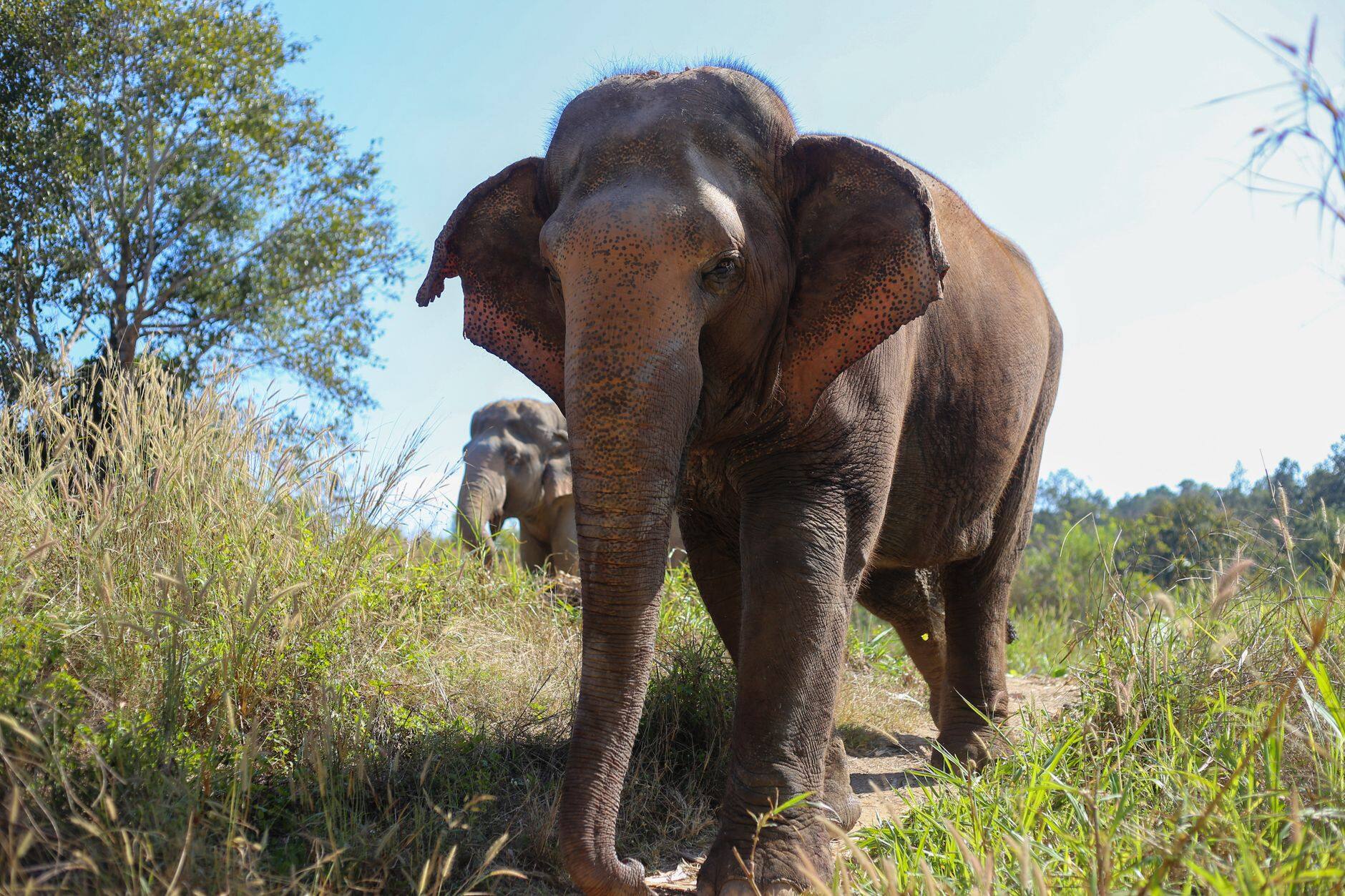
Photo by Morgann McKunes on Pexels
Elephant tourism in 2026 sits at an awkward crossroads. The no-ride sanctuary model has matured and gained real brand recognition. Ride camps still operate widely in Thailand, India and Sri Lanka. Travellers keep asking which is which, and the answer is clearer than it was ten years ago.
What an ethical elephant experience looks like
No riding. No bathing with tourists. No bull hook. No performance shows. The elephants live in social groups rather than chained alone, and keepers use protected-contact husbandry rather than dominance training.
Visits are short and observational, sometimes with a quiet feeding session, and the elephants spend the rest of the day in pasture or forest with herd-mates.
The standard-bearers
Elephant Nature Park near Chiang Mai, founded in the 1990s by Sangduen “Lek” Chailert, set the template and is still the most-cited no-ride sanctuary in Asia. Its Save Elephant Foundation network now extends to smaller partner sites across Thailand and the region.
Boon Lott’s Elephant Sanctuary in Sukhothai is much smaller and deliberately selective about visitor numbers. Reteti in Samburu, northern Kenya, is community-owned and Samburu-run, a different ownership model altogether and the first of its kind in Africa.
Why riding is the line
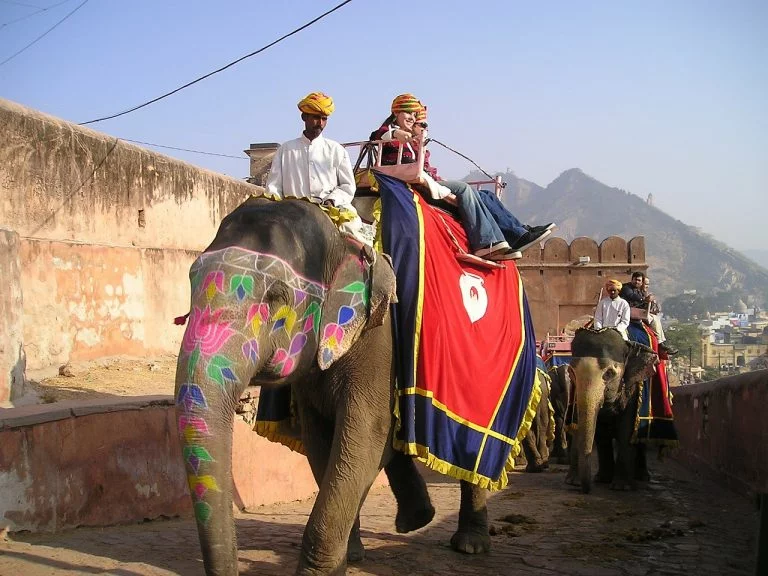
Riding requires an elephant that reliably obeys, and that reliability is normally produced by breaking a young animal, the process known in northern Thailand as phajaan, then maintained with a bull hook. Even when no hook is visible during your visit, the training history is what you are paying for.
Bathing with tourists is the more recent variant. It looks softer, but it still requires an elephant to perform on cue and tolerate strangers in close contact in the water, and it rests on the same control.
What the numbers say about progress
World Animal Protection’s Bred to Entertain report, published in January 2026 and based on assessments of 236 Thai venues holding 2,849 elephants between February 2024 and January 2025, gives the clearest picture available. Two headline numbers are worth reading together.
The good one: the share of captive elephants used for rides fell from 92 percent in 2010 to 43 percent in 2024, and observation-only venues rose from 4.6 percent to 7.3 percent of animals. The bad one: over the same period the total number of elephants in Thai tourism grew by more than 70 percent, so the actual number being ridden only fell by about 20 percent, from roughly 1,519 to 1,217. Nearly two in three captive elephants were still assessed as living in poor conditions. Tourist pressure has changed what venues advertise faster than it has changed how many elephants are in the industry.
Wild viewing as the better option
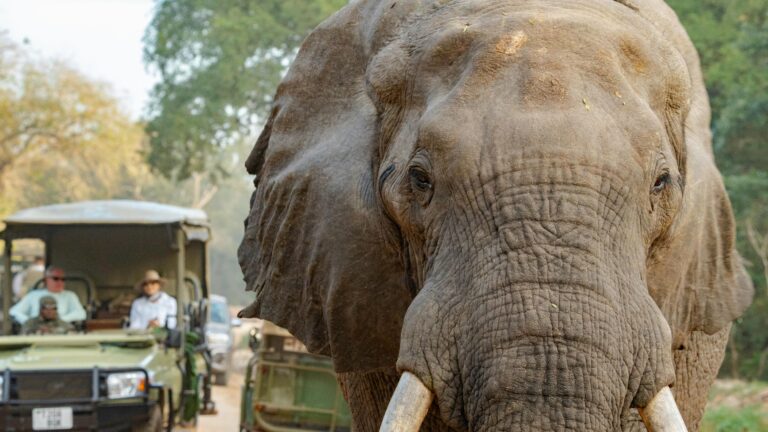
Where budget and logistics permit, wild viewing in Kenya, Botswana, South Africa, Sri Lanka or India is by far the cleaner option. The elephants are wild, the income supports protected-area management, and the experience is a genuinely different thing.
It costs more. Multi-day safari pricing reflects the operating cost of running a reserve and the conservation levies built into the package. Cheap day-trip wildlife is almost always wildlife in captivity.
How to vet a place before you book
Read recent reviews properly, looking for mentions of bull hooks, training shows, isolated elephants or large groups bathing. Those are the tells.
Then check the lists. Asian Captive Elephant Standards (ACES) certifies camps against the 214 criteria in its 2026 criteria: a camp needs every mandatory criterion and more than 40 percent of the advanced ones for Bronze, and more for Silver and Gold. The criteria set limits for riding and bathing with visitors rather than banning them, so a certificate is one input, not proof of good welfare. World Animal Protection’s elephant-friendly list, reviewed in December 2025, is the stricter check: its top tier excludes riding, bathing and direct contact.
Volunteering: a separate question
Short-term volunteer placements at elephant sanctuaries are popular and wildly variable. The same red flags apply: if you would ride, bathe or perform with the elephants as a tourist, you would be doing those things as a volunteer too.
The cleanest placements involve no direct elephant contact at all: keeper support, fence maintenance, education work, fundraising. Those deliver more for the elephants than hands-on contact does.
How the welfare definitions have hardened
Ten years ago riding was the only widely understood red line. Bathing has since been recognised as the same underlying problem in a friendlier costume. Performance shows, painting, football and headstands need training methods that protected-contact husbandry cannot produce, which is why the bull hook is the ground truth.
Close-approach tourist contact, hand feeding and hugging photos are now moving onto the same list as the evidence accumulates, and several accreditation bodies have updated their standards accordingly. For the wider context on performing elephants, read our overview of facts about the elephant entertainment industry.
Practical itinerary advice
In Thailand, Elephant Nature Park and its accredited partner sites are the safest pick, and Boon Lott’s is quieter and worth the extra effort to reach. If wild viewing is the priority, Kenya, Botswana, South Africa, Sri Lanka and India all deliver.
Travelling with children does not change the answer. Observation-only is still the right choice, and the welfare framing is part of what the trip teaches them.
If you are planning a trip, our list of 10 ethical elephant sanctuaries worth visiting covers credible operations and the red flags to watch for.
Frequently asked questions
Is it ever ethical to ride elephants?
No. Riding depends on breaking and on bull hook compliance, whether or not you see either during your visit.
What about bathing with elephants?
Same problem, softer packaging. The elephant is still trained to tolerate it on cue.
Are there genuine ethical sanctuaries?
Yes, though they are a minority of places using the word. Elephant Nature Park, Boon Lott’s and Reteti are the best-known examples that meet the no-ride standard.
How do I vet a sanctuary?
No riding, no bull hook, no shows, real herd housing, and a listing you can look up. World Animal Protection publishes its elephant-friendly list; Asian Captive Elephant Standards publishes the camps it certifies, which may still offer rides.
Is wild viewing better?
Yes, where you can manage the cost and the logistics. Kenya, Botswana, South Africa, Sri Lanka and India all have good options.
Which organisations are worth supporting?
Pick one with a long track record and transparent reporting. Save the Elephants, the Sheldrick Wildlife Trust, ElephantVoices, World Animal Protection’s elephant programmes and the IUCN Asian Elephant Specialist Group all qualify. Recurring monthly donations are worth more to an organisation than the same total given in one lump, because they make budgeting predictable.
Where can I find lists?
Asian Captive Elephant Standards publishes the camps it certifies, which may still offer riding within limits. World Animal Protection publishes its elephant-friendly list. Between the two you can usually place any Thai camp.
See our sanctuaries guide and our elephants in Thailand overview.
Elsewhere on We Love Elephants
- Elephant Conservation 2026: How to Save the Last Giants: Poaching trends, the 1989 ivory ban, the zoo and sanctuary debate, trophy hunting.
- Captive Asian Elephants in 2024: Where the Welfare Picture Sits: Around 15,000 Asian elephants live in captivity.
- Ethical Elephant Sanctuaries: No Rides, No Shows, and Where to Go: How to tell a real sanctuary from a camp, which lists to trust, and sanctuaries checked in Thailand, India, Kenya, Europe and the US.
Updated 14 September 2026: clarified the ACES accreditation threshold and scope.
Updated 27 October 2026: corrected the ACES criteria count and threshold and noted that its criteria allow riding within limits.

Elephant Nature Park as the standard-bearer with its 1995 founding and satellite sites is the cleanest case study in commercial viability.
Volunteer placements with no direct elephant contact (fence maintenance, education) being the cleanest option is the framing I needed.
Wild viewing in Kenya, Botswana, Sri Lanka or India as the cleanest alternative is the right framing. Captive is captive, however nice.
The bathing-with-tourists trap is the trickier one. It looks softer than riding but the training history is the same.
Reteti as a community-owned model in Africa is the variant worth tracking. Different ownership structure, similar welfare outcomes.
No riding, no bathing-with-tourists, no bull hook, no shows is the operational definition that actually helps travellers vet a sanctuary.