
Dramatic Elephant Rescue in Thailand
Last updated: September 6, 2026
3 min read
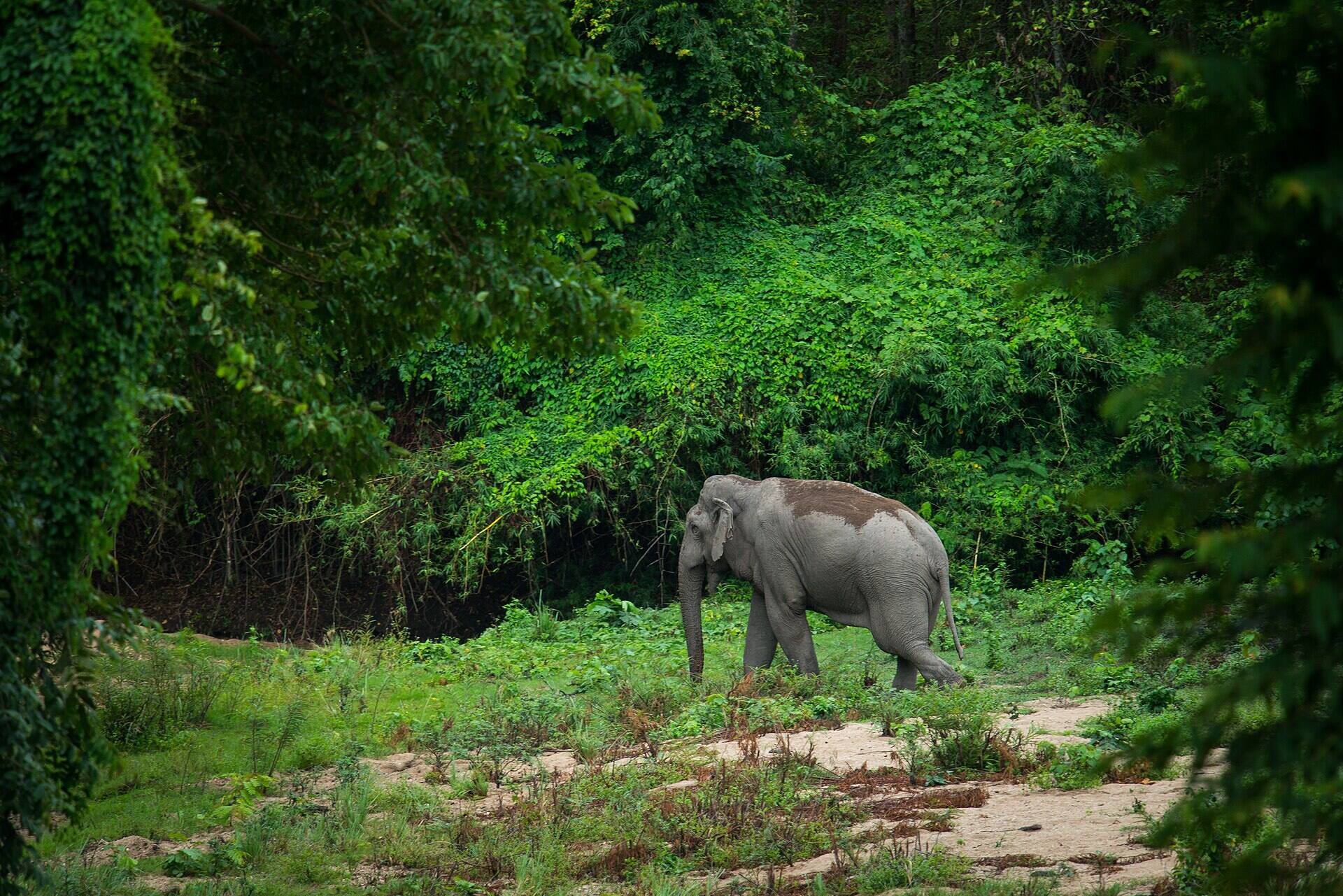
On the morning of 13 July 2022, in Nakhon Nayok province in central Thailand, a one-year-old wild elephant fell into a roadside drainage hole on the edge of a golf course and could not get out. Freeing it meant sedating its mother, and then doing chest compressions on her when she would not wake up. Both animals walked away. The rescue is also a good look at a hazard that gets very little attention.
How the rescue unfolded
The team could not get near the hole. The mother was standing directly over it, shielding her calf, and a protective elephant weighing several tonnes is not something a rescue crew can talk round. So they sedated her.
The plan went wrong almost immediately. As the sedation took hold she went down and slid partly into the hole herself, hitting her head, which turned one emergency into two. A truck-mounted boom lift and a digger were brought in to haul her clear and cut away the earth at the edge. Throughout all of this the calf, still stuck, kept trying to nurse.
Once she was out she did not come round. Rescuers climbed onto her rib cage and used their own body weight to compress her chest while the digger opened a slope the calf could scramble up. The operation was led by Chananya Kanchanasakha, a vet with Khao Yai National Park. The calf got out, went straight to its mother, and started feeding again from an unconscious elephant. She woke, got back on her feet, and the pair walked off into the trees to rejoin their herd.
Why sedating and reviving an elephant is so risky
Sedating a wild elephant is never routine. Vets have to estimate body weight by eye. Under-dose and you have a half-awake, frightened animal in the middle of a rescue. Over-dose and you suppress breathing. A sedated elephant also cannot be left lying on its side for long, because the weight of its own body presses on the lungs, which is part of why the head injury made this one so dangerous.
The CPR looks absurd and follows straightforward logic: no pair of human arms can move the chest wall of an animal that size, so you use gravity and several people. It is a last resort, and that it worked here says a lot about how fast the team improvised.
A hidden hazard for Thailand’s elephants
This one ended well, which is not typical. Open manholes, drainage pits, irrigation ditches, mud wells and unfenced roadside trenches are a real and growing danger as roads and farms push further into elephant range. A calf has no way to judge the depth of a dark hole, and an adult that falls into one with smooth vertical sides often cannot get the purchase to climb out. Plenty of these incidents end in injury or death before anyone finds the animal.
Underneath it is a space problem. Thailand’s wild elephant population runs to a few thousand animals sharing an increasingly crowded landscape with people, plantations and infrastructure. As habitat breaks into smaller pieces, herds have to cross roads, canals and farmland to reach food and water, and every crossing carries risk.
The bigger picture
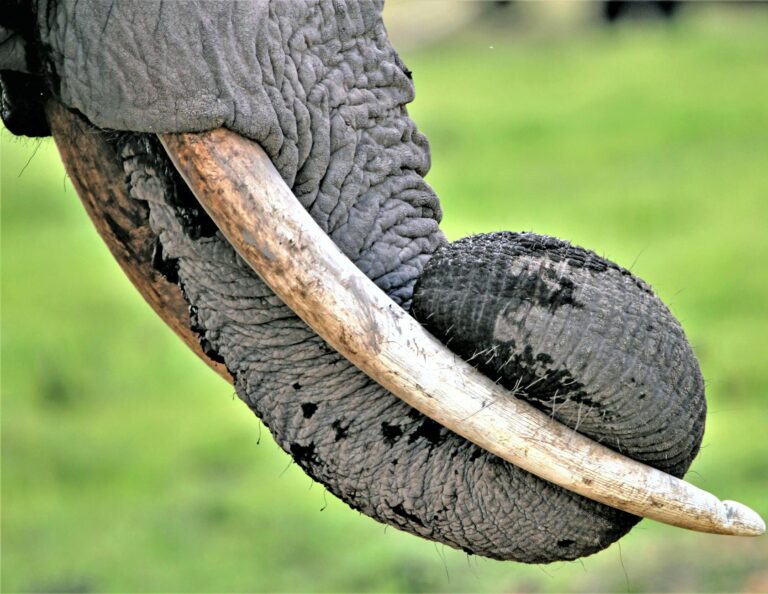
These are Asian elephants, listed as Endangered by the IUCN. They are smaller than their African relatives, with smaller ears and a more arched back, and only some males carry visible tusks. Across their range from India to south east Asia the numbers have fallen sharply, driven mainly by habitat loss and conflict with people rather than by ivory poaching.
Which is why one calf in a drainage hole is worth a digger and a full rescue team. With this few wild Asian elephants left, every breeding female and every surviving calf counts. Our Asian elephant profile covers the range, behaviour and status in depth.
What prevents the next one
- Covering or grating manholes and drainage pits along known elephant corridors.
- Sloping or stepping the sides of irrigation channels so an animal can get itself out.
- Fencing hazards near villages bordering forest reserves.
- Building dedicated wildlife crossings where roads cut through elephant range.
- Training and equipping local rescue teams so help arrives in hours rather than days.
The Nakhon Nayok rescue ended with a calf back at its mother’s side and a herd reunited. The real measure is whether the next calf falls in at all.


the calf running back to the mother right after she came round from the tranquillisers was the bit that broke me. one year olds bond hard to specific adults, you can see it in any of the Save The Elephants footage from samburu. the manhole network across central thailand needs proper covers but no one is paying for it, so this keeps happening.
curious about calf survival rates in stressed herds vs stable ones, the gap has to be enormous. three doses of tranquilliser and CPR on the mother is the kind of intervention that would never happen for a herd far from a road. most distressed-calf incidents end with the calf dead within 48 hours because nobody finds them in time.
did the one year old actually survive the recovery period or is the follow-up not in this piece? a healthy reunion in the moment is one thing but mothers who have been tranq’d and CPR’d often produce less milk for days, and a one year old still nursing is on the edge of needing it. would love to see a follow-up report.