CITES CoP20: What It Means for Elephant Trade Rules
Namibia’s ivory stockpile bid failed at Samarkand. A quieter annotation amendment passed by consensus, and it is the one that changed the rules.


Namibia’s ivory stockpile bid failed at Samarkand. A quieter annotation amendment passed by consensus, and it is the one that changed the rules.
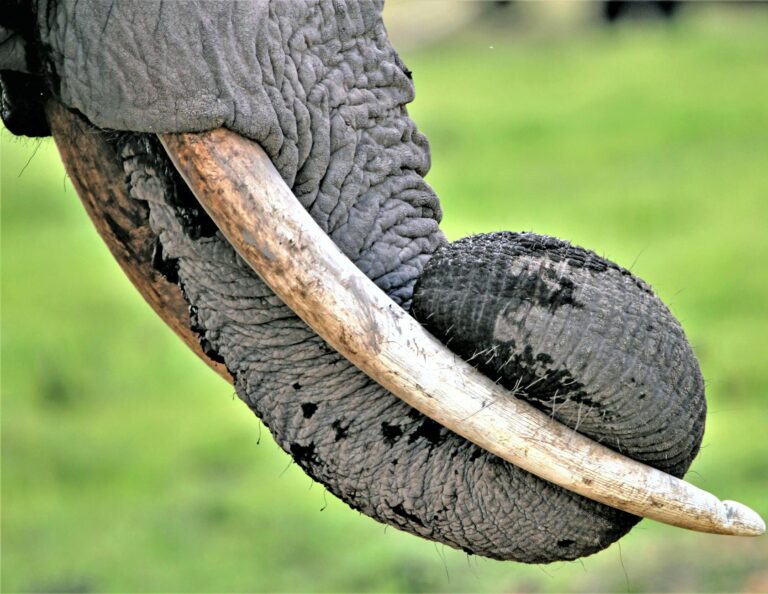
How elephants are listed under CITES, what CoP19 settled, and what the 2025 Samarkand meeting did and did not change.
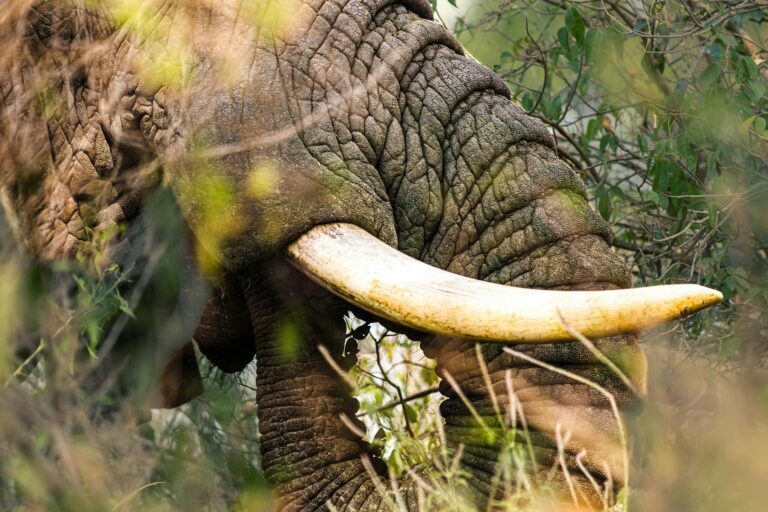
What a tusk actually is, the ecological work it does, why the heaviest pair on record is in a London museum, and how poaching at Gorongosa is breeding tusks out of the population.
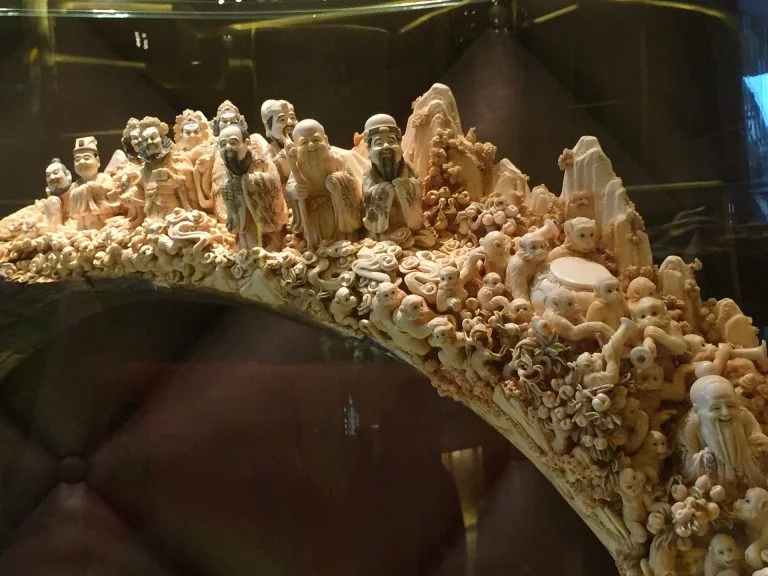
Where ivory comes from, how it moves, why the 1989 CITES ban only half worked, and what the DNA forensics and the 2017 China closure actually changed.
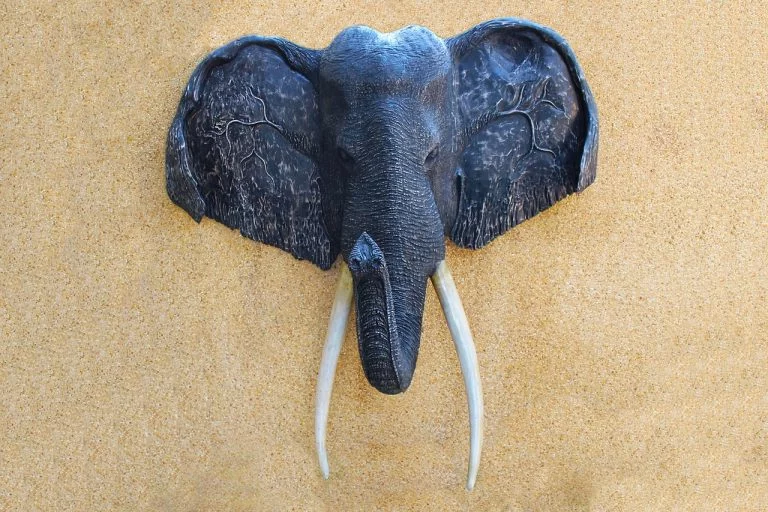
The case for and against elephant trophy hunting, the real US import timeline, and what the Gorongosa tusklessness research actually found.
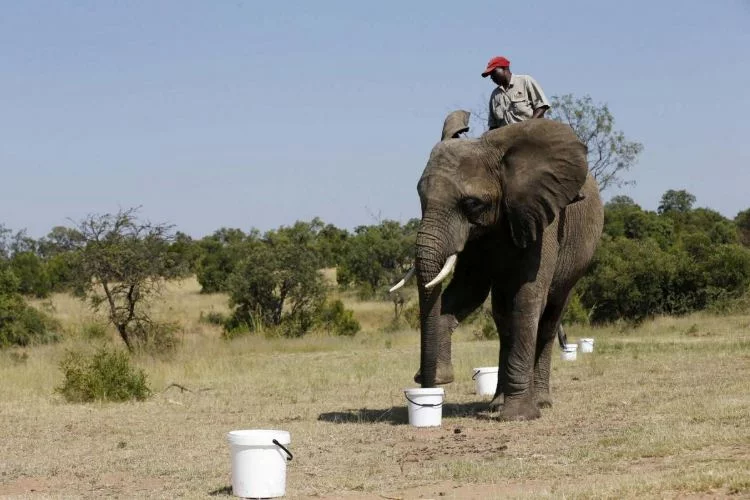
A 2015 study found African elephants can detect TNT more accurately than bomb dogs. Here is the science behind the elephant nose, and why the result never became a working programme.
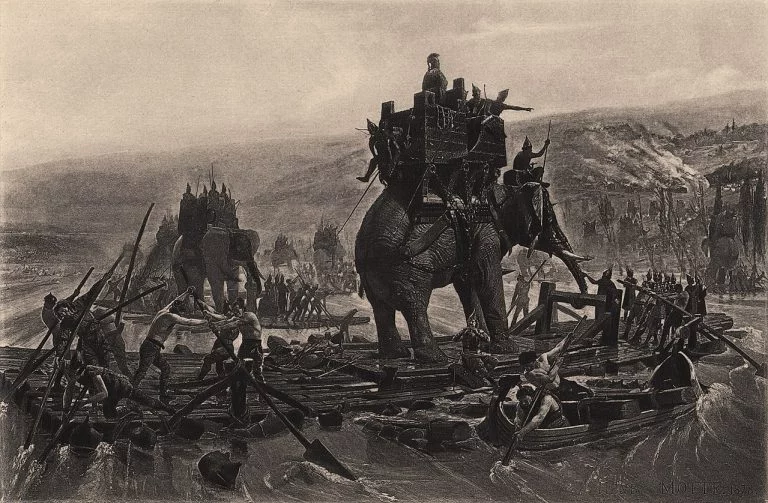
Humans and elephants share 1.8 million years of history across hunting, war, work, religion, ivory trading and modern conservation.

Fifty years of continuous research, an unfenced population living on Maasai land, and a threat list where drought now outranks poaching.
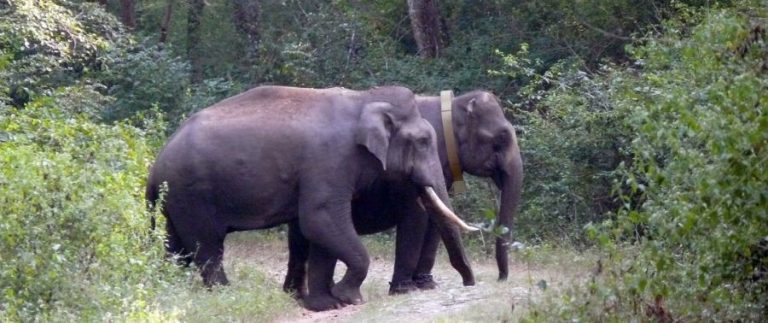
How GPS collars work, what geofencing alerts actually do for farmers, why forest elephant collaring is so hard, and what a collar cannot do on its own.
We send one careful elephant roundup per month. Conservation news, species profiles, the occasional reader question we could not resist answering.
We never share your email. One-click unsubscribe.