Elephants in Kenya: From Tsavo to Amboseli
Last updated: October 26, 2026
3 min read
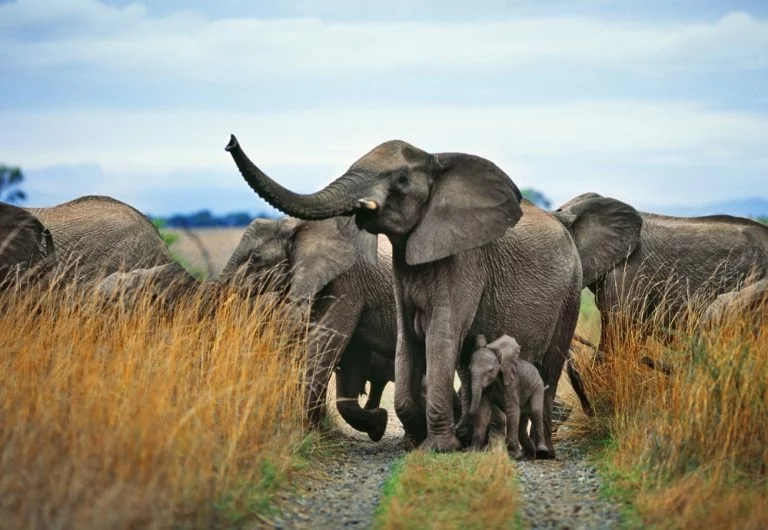
Elefante africano de sabana (Loxodonta africana), parque nacional de Amboseli, Kenia, 2024-05-22, DD 05, by Diego Delso, CC BY-SA 4.0, via Wikimedia Commons.
Kenya’s 2021 national wildlife census counted 36,280 elephants. In August 2026, Kenya Wildlife Service reported that its 2025 estimate counted 42,072 elephants. The recovery has been driven by Kenya Wildlife Service anti-poaching work, the growth of community conservancies, and the 1989 international ivory ban. It is one of the most visible conservation success stories on the continent.
Where they live
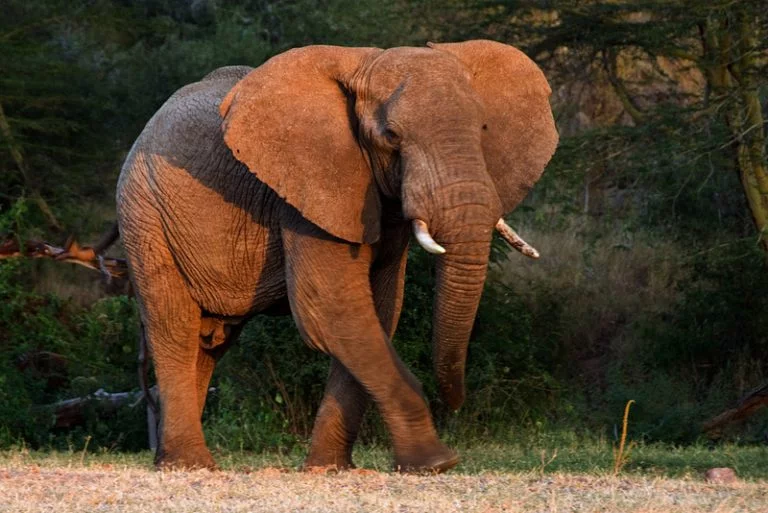
Tsavo: the Tsavo conservation area holds the bulk of Kenya’s elephants, around 15,000 between Tsavo East, Tsavo West and the adjoining ranges. Tsavo’s red-dust elephants are some of the most photographed in Africa.
Amboseli: around 1,800 elephants under Kilimanjaro, and the most closely studied wild elephant population on Earth, monitored continuously since 1972 by Cynthia Moss’s team.
Samburu and Laikipia: roughly 7,000 elephants across a community-conservancy network in the north.
Maasai Mara: a smaller, seasonal population.
Mount Kenya and the Aberdares: a fragmented forest population.
Community conservancies
The Northern Rangelands Trust, Lewa Wildlife Conservancy and Ol Pejeta have built the most-cited model of community-led conservation in Africa. Wildlife revenue funds schools, water and healthcare, which gives the people who share the land with elephants a direct reason to keep them alive. Versions of the model have since been exported to Tanzania, Mozambique and Botswana with mixed results.
The Amboseli long-term study
Cynthia Moss’s Amboseli Elephant Research Project has followed individual elephants for more than fifty years. That dataset underpins almost everything now understood about wild elephant matriarchies, social structure, demography and stress response. Echo, who died in May 2009, was its most famous matriarch and the subject of the BBC’s Echo of the Elephants films.
Best time to visit
The dry seasons, July to October and January to March, are the standard safari windows, and sightings are best near water at the end of a long dry spell. Amboseli is reliable year-round. Tsavo is better in the long dry season.
Conservation pressures
Human-elephant conflict along the edges of Tsavo and at the Mara border with Tanzania produces losses every year. Drought is the other pressure and it is getting worse. The 2009 drought killed close to 400 elephants in Amboseli alone. The 2022 drought killed 205 elephants across Kenya, 76 of them in Amboseli and 109 in Tsavo.
Read next
Elephant species guide, elephant conservation, elephant facts, African bush elephant species profile.
Frequently asked questions
How many wild elephants are in Kenya?
42,072, according to Kenya Wildlife Service in August 2026. The 2021 national census counted 36,280.
Where is the best place to see elephants in Kenya?
Amboseli for reliable year-round sightings against Kilimanjaro. Tsavo for numbers. Samburu for the community-conservancy experience.
Is the elephant population in Kenya still growing?
Slowly, with significant losses in drought years. The long-term trend is still positive.
Who is Cynthia Moss?
An American researcher who founded the Amboseli Elephant Research Project in 1972. It is the longest continuous study of wild elephants anywhere.
Are elephants dangerous in Kenya?
Wild elephants can be, particularly in conflict zones. On safari with a responsible operator the risk is very low.
- Elephant Conservation 2026: How to Save the Last Giants: Poaching trends, the 1989 ivory ban, the zoo and sanctuary debate, trophy hunting.
- Elephants in Kenya: Where, When and What You Will See: Amboseli, Tsavo, Samburu and the Mara compared, plus the truth about super tuskers and which elephant experiences are actually ethical.
- Conservation Spotlight: The Amboseli Elephants Of Kenya: Fifty years of continuous research, an unfenced population living on Maasai land, and a threat list where drought now outranks poaching.
- The Best Elephant Documentaries: Eight elephant documentaries worth your time, every title and year checked, from the 1993 Echo film to The Elephant Queen.
This article is part of our elephant species guide, which links every species, subspecies and country guide on the site.
Updated 14 September 2026: updated Kenya’s elephant population figure.