Elephants in Tanzania: Selous, Ruaha, and the 2010s Crisis
Last updated: October 26, 2026
4 min read
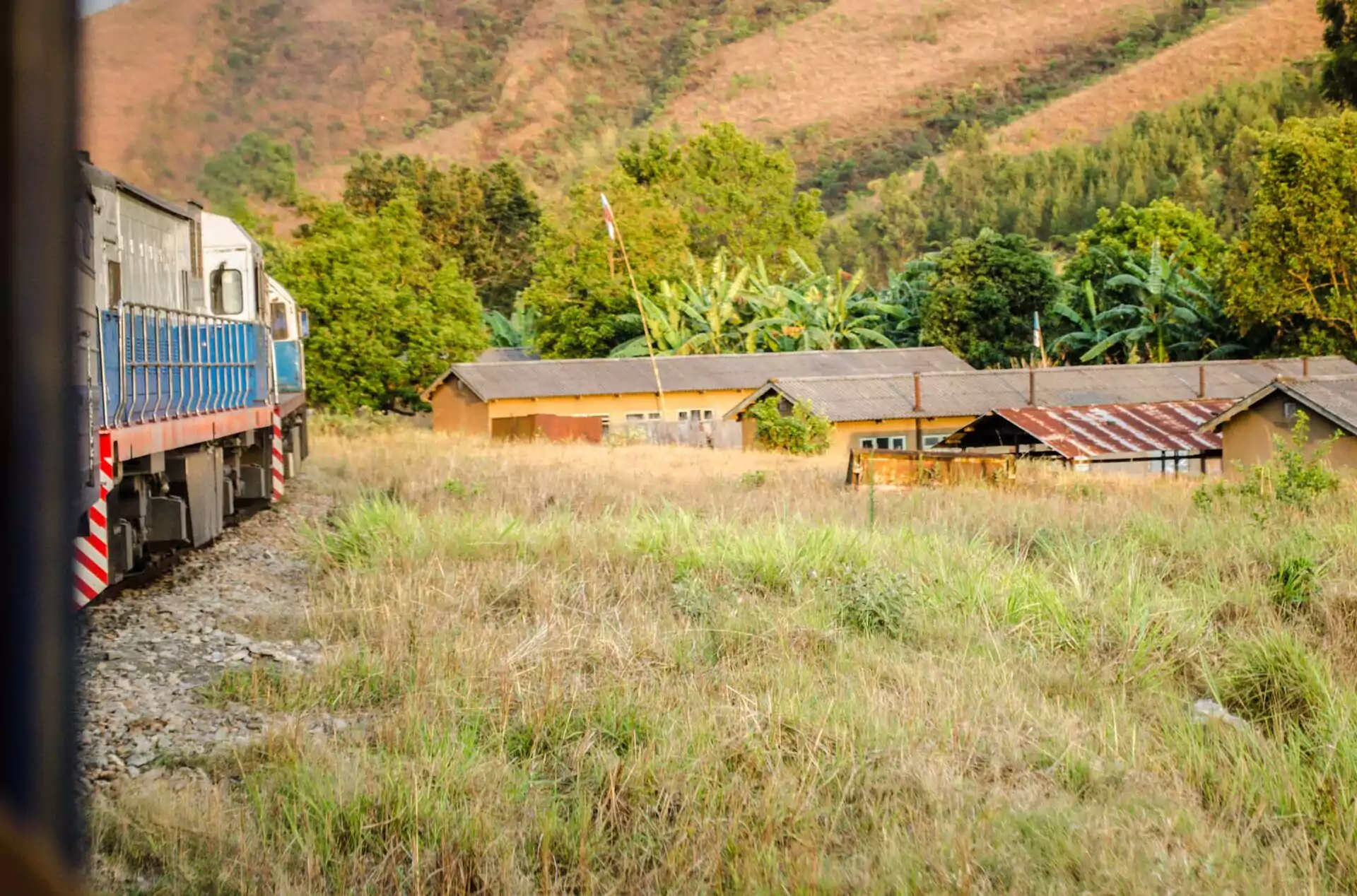
Tazara train to Mbeya, by Erasmus Kamugisha, CC BY-SA 4.0, via Wikimedia Commons.
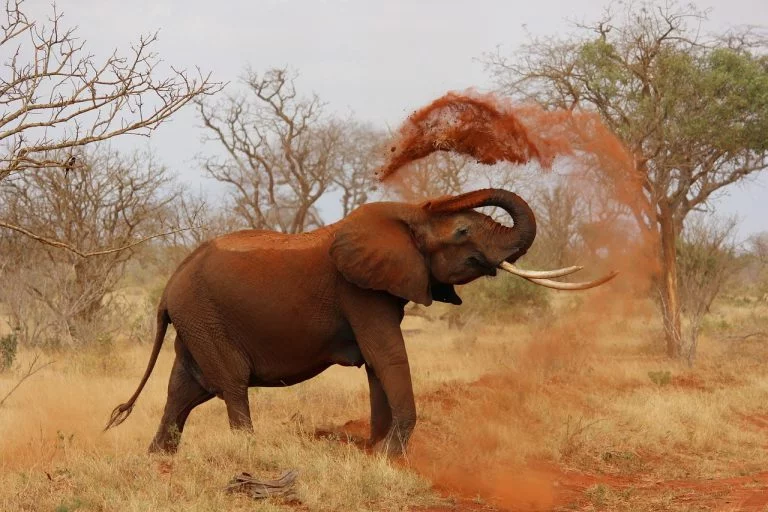
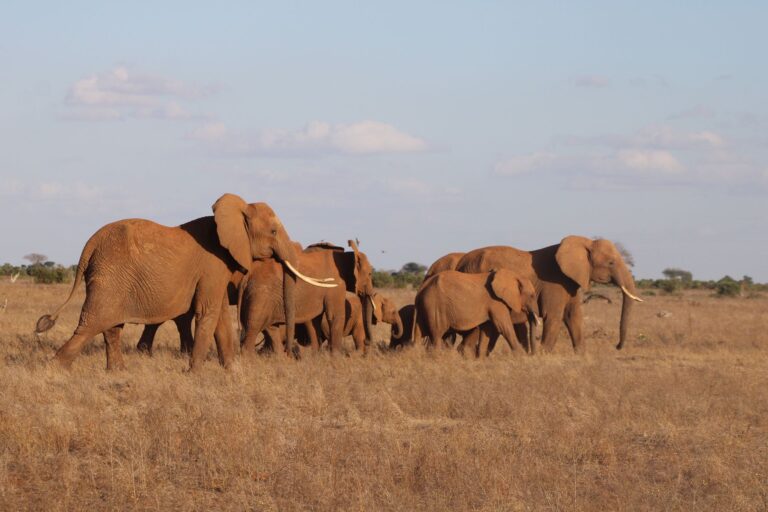
Tanzania’s 2024 to 2025 national wildlife census reported 66,714 wild African elephants, which makes it one of the most important elephant countries on the planet. That number is also a story of near-disaster: the country lost 60 percent of its elephants in five years, in one of the worst poaching crises ever recorded. The trend has since stabilised, and Ruaha and Nyerere are once again among the continent’s strongest elephant landscapes.
Where they live
- Nyerere National Park, carved out of the former Selous Game Reserve, is one of the largest protected areas in the world. It held more than 100,000 elephants in the mid 1970s. The most recent surveys of the wider Selous-Mikumi ecosystem put it at over 15,000.
- Ruaha National Park anchors the Ruaha-Rungwa landscape, which now carries Tanzania’s largest elephant population at around 20,000.
- Tarangire National Park is famous for dry-season concentrations among ancient baobabs.
- Serengeti holds a smaller but consistent year-round population.
Between them, the greater Ruaha and Selous ecosystems account for a bit over half of Tanzania’s elephants.
The 2009 to 2014 collapse
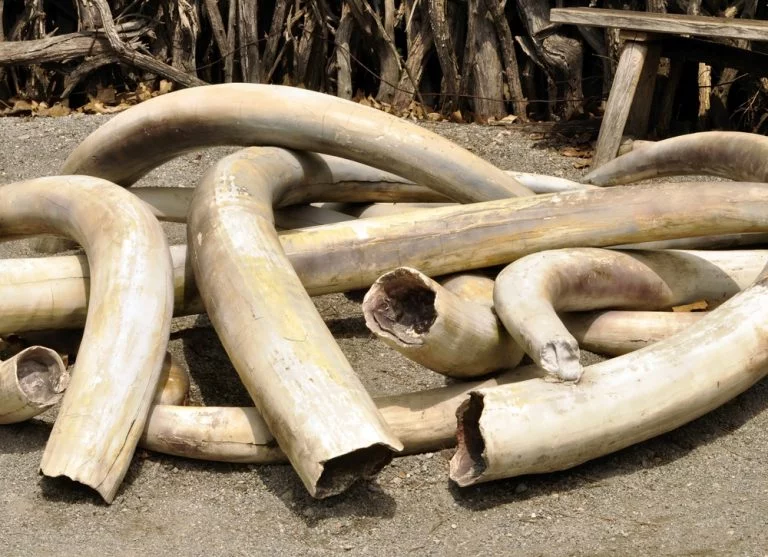
The national census counted 109,051 elephants in 2009 and 43,330 in 2014. That is 65,721 animals gone in five years, a fall of just over 60 percent. It was not subsistence hunting or scattered opportunism. It was industrial ivory poaching driven by Asian demand and run by organised syndicates moving tusks out through Dar es Salaam and Mombasa.
Selous took the worst of it, falling from 44,806 to 15,217 in the same five years, on top of decades of earlier decline from its 1970s peak. Ruaha fell from 34,664 to 8,272. The government response was slow for several years, and enforcement simply could not keep up with the killing. The scale of the loss is what eventually forced the change.
How the recovery happened
From 2015, Tanzania mounted a far more coordinated campaign: better-funded patrols, high-profile arrests of trafficking organisers, and serious prosecution of ivory crime. Poaching dropped sharply.
But enforcement inside Tanzania was only half of it. The change most often credited with the turnaround happened elsewhere: China’s domestic ivory ban took full effect at the end of 2017, closing the world’s largest legal market and collapsing the demand that made the poaching worth doing. It is a clean lesson in conservation economics. Protecting elephants on the ground works far better when the market for their tusks is shut off at the other end. Tanzania’s 2024 to 2025 national wildlife census reported 66,714 elephants. The national total does not show that every population is growing.
Best time to visit
The dry season, roughly June to October, is the peak safari window and the best time for elephants. As water sources shrink, elephants concentrate around the remaining rivers and waterholes, which makes them far easier to find. Tarangire and Nyerere are especially rewarding in those months.
The wet season, roughly November to May, is greener and full of newborn animals, but heavy rain makes many roads difficult and some camps in Ruaha and Nyerere reduce or pause operations. For a first elephant-focused trip, the dry season is the safer choice.
The challenges that remain
Poaching is no longer the runaway threat, but what replaced it is slower and harder. Human population growth around park boundaries pushes farmland into elephant range, and crop conflict is a daily reality for villages near Tarangire and Ruaha. Wildlife corridors, the strips of land that let elephants move between protected areas, are being squeezed by farms, fences and roads, which risks cutting big populations into smaller isolated ones.
There is also a development pressure specific to Selous: the hydroelectric dam on the Rufiji River, built inside the former game reserve, has raised real concern about flooding and habitat change in a landscape that is also a UNESCO World Heritage Site. Recovery from the poaching crisis bought time. Holding the ground depends on land-use planning that keeps elephant range connected.
What the Tanzania story teaches
Tanzania is both the warning and the hope. It shows how fast a crisis can hollow out even a huge population: two thirds gone in half a decade. It also shows the trend can be turned, when serious enforcement on the ground is paired with a real fall in global demand. The recovery is genuine and still fragile.
Read next
Elephant species guide, elephant conservation, elephant facts.
Frequently asked questions
How many elephants are in Tanzania?
The 2024/25 national wildlife census reported 66,714, compared with 43,330 in 2014.
Where is the best place to see elephants in Tanzania?
Ruaha for sheer numbers, Tarangire for dry-season concentrations, Nyerere for the wilderness feel.
How bad was the Tanzania poaching crisis?
The national count fell from 109,051 in 2009 to 43,330 in 2014, a loss of 65,721 elephants and just over 60 percent of the population. Selous fell from 44,806 to 15,217 and Ruaha from 34,664 to 8,272 in the same period.
Is the elephant population in Tanzania still falling?
No. Poaching dropped sharply from 2015, helped by China’s 2017 ivory ban, and the population is stable or slowly growing.
Are there forest elephants in Tanzania?
No. Tanzania’s elephants are African savanna elephants, Loxodonta africana.
- Elephant Conservation 2026: How to Save the Last Giants: Poaching trends, the 1989 ivory ban, the zoo and sanctuary debate, trophy hunting.
- Elephant Poaching Trends: Where the Pressure Is Now: Poaching is far below the 2011 peak but has stopped improving.
- 7 Best Places To See Elephants In The Wild Worldwide: Seven of the best places on earth to see wild elephants, from Chobe and Tarangire to the Kinabatangan River and the Nilgiri biosphere, with where to go in each.
- African Elephant Population Still Low Despite Decline In Poaching: Poaching peaked in 2011 and has fallen since, but African elephant numbers have not followed.
This article is part of our elephant species guide, which links every species, subspecies and country guide on the site.
Updated 14 September 2026: updated Tanzania’s national elephant estimate.