

Zoos That Gave Up Their Elephants, and Why the Trend Is Growing
Last updated: October 26, 2026
6 min read
Over the past twenty years a run of major zoos has retired its elephant herd and committed publicly to not replacing it. The welfare science behind those decisions is consistent: elephants in zoos live shorter lives than elephants in range-country populations, foot and joint disease is common, and the space and social requirements of the species are hard to meet inside a city zoo. Below are the closures that are properly on the record, with what each institution actually said at the time.
What the welfare science says
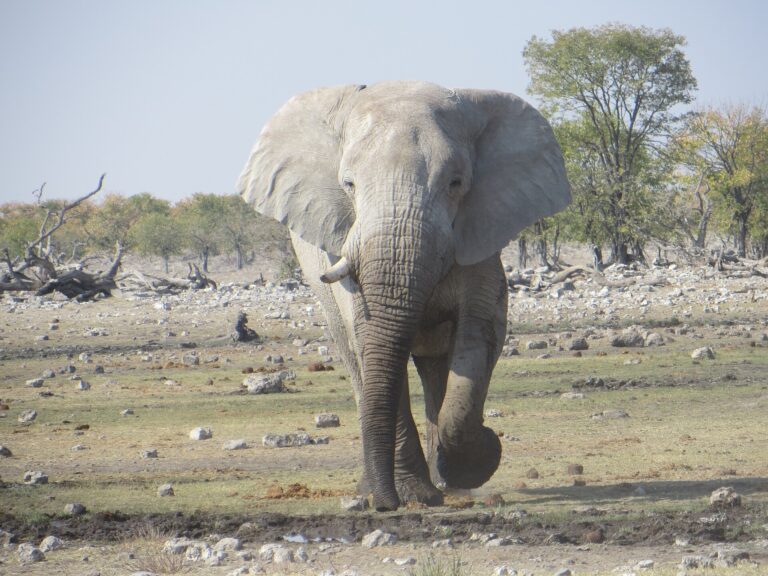
Photo by Leon Aschemann on Pexels
The reference paper is Ros Clubb and colleagues in Science in 2008. Working from data on more than 4,500 animals, they found that elephants in European zoos had roughly half the median lifespan of elephants in protected populations in their range countries. The gap was widest in Asian elephants, where infant mortality in zoos ran at about twice the rate seen in Burmese timber camps. Being moved between institutions, being removed from the mother early, and being born in a zoo rather than imported from the wild were all associated with worse survival.
The underlying problem is scale. A wild elephant family of ten uses a home range measured in hundreds or thousands of square kilometres. A typical zoo enclosure is a few thousand square metres. The social problem is harder still: an elephant family is a matriarch, her adult daughters and their juveniles, bonded across generations. Three unrelated adult females in a temperate-climate paddock is not a version of that.
The reasons behind those shortened lifespans are worth understanding in detail. We look at them in our piece on why so many elephants are dying in zoos.
Detroit Zoo, 2004
Detroit was the first major US zoo to give up elephants explicitly on ethical grounds. Director Ron Kagan cited space, the Michigan winter, and the welfare evidence. Winky and Wanda went to the Performing Animal Welfare Society sanctuary in California. The move was contested: the American Zoo and Aquarium Association wanted the pair sent to Columbus Zoo instead, and Kagan refused on the grounds that the conditions and climate there were barely different from Detroit’s.
San Francisco Zoo, 2004 to 2005
Two San Francisco Zoo elephants died in early 2004: Calle, an Asian elephant, and Maybelle, an African elephant, both from captivity-related health problems. Tinkerbelle was transferred to PAWS in November 2004 after 37 years at the zoo, and died four months later. Lulu, the last elephant, followed in March 2005 and lived another nineteen years at the sanctuary. San Francisco Zoo has not kept elephants since.
Philadelphia Zoo, 2007
Philadelphia announced in 2006 that it would close its elephant exhibit, and the last animals left in spring 2007. The stated reason was money: the zoo could not fund a replacement for an enclosure that was already more than sixty years old and too small, and did not want to spend millions on a temporary fix. Dulary went to the Elephant Sanctuary in Tennessee; Petal, Kallie and Bette went to the Maryland Zoo in Baltimore. It was the first time in 133 years that America’s oldest zoo had no elephants.
Bronx Zoo, phase-out announced 2006
The Wildlife Conservation Society announced in 2006 that the Bronx Zoo would not acquire further elephants once its existing animals had died, and would redirect the money to wild elephant conservation instead. Happy, who arrived in 1977 and who is the elephant that passed the mirror self-recognition test in 2006, was euthanised in May 2026 at 55 after a period of hospice care. Patty, 57, is now the zoo’s last elephant, and the zoo has said it is considering moving her to a sanctuary.
Toronto Zoo, 2013
The Toronto Zoo board recommended ending the elephant programme in May 2011. Toronto City Council then voted 31 to 4 to send Toka, Thika and Iringa to PAWS specifically, over the objections of the zoo’s own accreditation body, and stipulated a warmer climate and a facility that did not use bullhooks. Zoocheck Canada led the campaign. The elephants made the trip in October 2013 and the zoo lost its AZA accreditation over the decision.
Calgary Zoo, 2014
Calgary announced in April 2012 that it would relocate its Asian elephants on welfare grounds, and Kamala, Swarna and Maharani arrived at the Smithsonian’s National Zoo in Washington on 23 May 2014. The zoo’s stated reasoning was that the animals needed a facility where their social group could grow, where they could join a breeding programme, and where they could be outdoors year round, none of which Calgary could offer.
The sanctuaries that made it possible
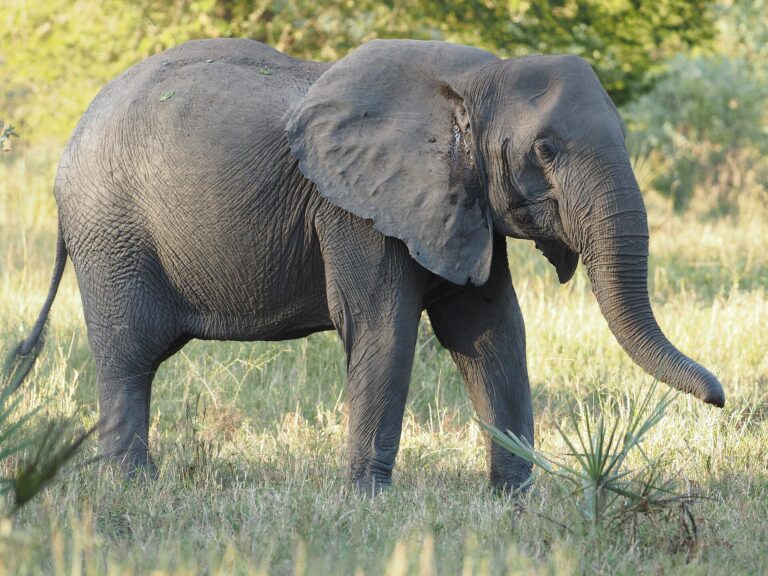
Photo by Magda Ehlers on Pexels
None of these retirements would have happened without somewhere to send the animals. The Performing Animal Welfare Society, founded in California in 1984, runs ARK 2000, a 2,300 acre sanctuary at San Andreas, and has taken elephants from Detroit, San Francisco and Toronto among others. The Elephant Sanctuary in Tennessee is the other long-established US destination. In Europe, Elephant Haven in France took its first resident, a circus elephant named Gandhi, in October 2021.
What the argument actually is
The argument is not that no elephant can be kept in human care anywhere. It is that a traditional small-zoo programme, three or four animals in a few thousand square metres in a cold climate, cannot meet the species’ requirements, and that the conservation return on such a programme is small compared with funding work in range states. Accreditation standards have moved in the same direction. The AZA standards issued in August 2011 say institutions should strive to hold no less than three female elephants wherever possible, and from 2012 accreditation inspections have included a dedicated elephant inspector and an annual reporting requirement. For older zoos, meeting that bar means a major rebuild, and several have decided the rebuild is not worth it.
What you can do
If you visit a zoo with an elephant exhibit, ask how many elephants the institution holds, how large the enclosure is, how the climate is managed, and what the plan for the herd is. If the answers are vague, write to the director. Donate to PAWS, the Elephant Sanctuary in Tennessee or Elephant Aid International to fund retirement capacity, which is the bottleneck. And support range-state conservation work, which is where the species-survival gains actually happen.
Help us keep this list current
This list only includes closures we could source to a dated announcement or a documented transfer. Plenty of other institutions have quietly stopped replacing elephants without saying much about it, and those are hard to confirm from the outside. If you know of a zoo that has closed or committed to ending its elephant programme and you can point us at the announcement, leave a comment and we will check it and add it.
Where to go next
For wider species context, see our profiles of the African elephant and the Asian elephant. For sanctuary alternatives, see 10 ethical elephant sanctuaries. For wider welfare context, see the elephant entertainment industry.
Frequently asked questions
Why are zoos closing their elephant programmes?
Three reasons that come up repeatedly in the announcements. Welfare evidence, led by the 2008 Science paper showing roughly half the median lifespan in European zoos compared with range-country populations. Space and climate, which most city zoos cannot fix without a rebuild. And the cost of that rebuild against tightening accreditation standards.
Where do retired zoo elephants go?
In the US, mostly to the PAWS sanctuary in California or the Elephant Sanctuary in Tennessee, and sometimes to a larger accredited zoo with more space, as happened with the Calgary and Philadelphia animals. In Europe, Elephant Haven in France opened to its first resident in October 2021.
What is the AZA position on elephants?
The Association of Zoos and Aquariums issued updated elephant management standards in August 2011. They say member institutions should strive to hold no less than three female elephants wherever possible, alongside requirements on space, climate and enrichment. From 2012, accreditation teams have included a dedicated elephant inspector, and holding facilities must file an annual report.
Is keeping elephants in zoos ever defensible?
It depends on whom you ask. The mainstream zoo position is that elephants can be kept ethically if the standards are met, and several institutions have spent heavily to meet them. The welfare-science position, from Clubb and colleagues onward, is that the biological requirements of the species are very hard to meet at typical zoo scale. The list of closures above suggests the second argument has been winning the operational decisions.
This article is part of our elephant conservation guide, which links all our reporting on threats, trade, captivity and what helps.
- 100 Elephant Facts: Everything to Know About Earth’s Largest Land Animal: Our master elephant fact sheet: anatomy, cognition, matriarchal society, infrasound, the trunk, tusks and ivory, diet.
- Here’s Why So Many Elephants Are Dying In Zoos: The 2008 Science survivorship study and the Defra-funded Bristol assessment of 77 UK zoo elephants, and what their numbers actually say about captivity.
- Should Elephants Have Human Rights?: Happy the Bronx Zoo elephant was the test case for whether habeas corpus can reach an animal.
- Shankar: The Delhi Zoo Elephant Who Never Got a Herd: Shankar spent 27 years at Delhi Zoo, 24 of them without a companion of his own species, and died there in September 2025.



Clubb 2008 Science paper is the single most influential paper for me on this. Median captive Asian lifespan 19 years vs 56 years in Burmese timber camps tells you something is structurally wrong with the zoo environment.
Detroit’s 2004 decision is the one that really shifted the Overton window. Once a major North American zoo said no, the precedent took hold within a decade.