
Elephants in Mozambique: Gorongosa and the Recovery Story
Last updated: October 14, 2026
4 min read
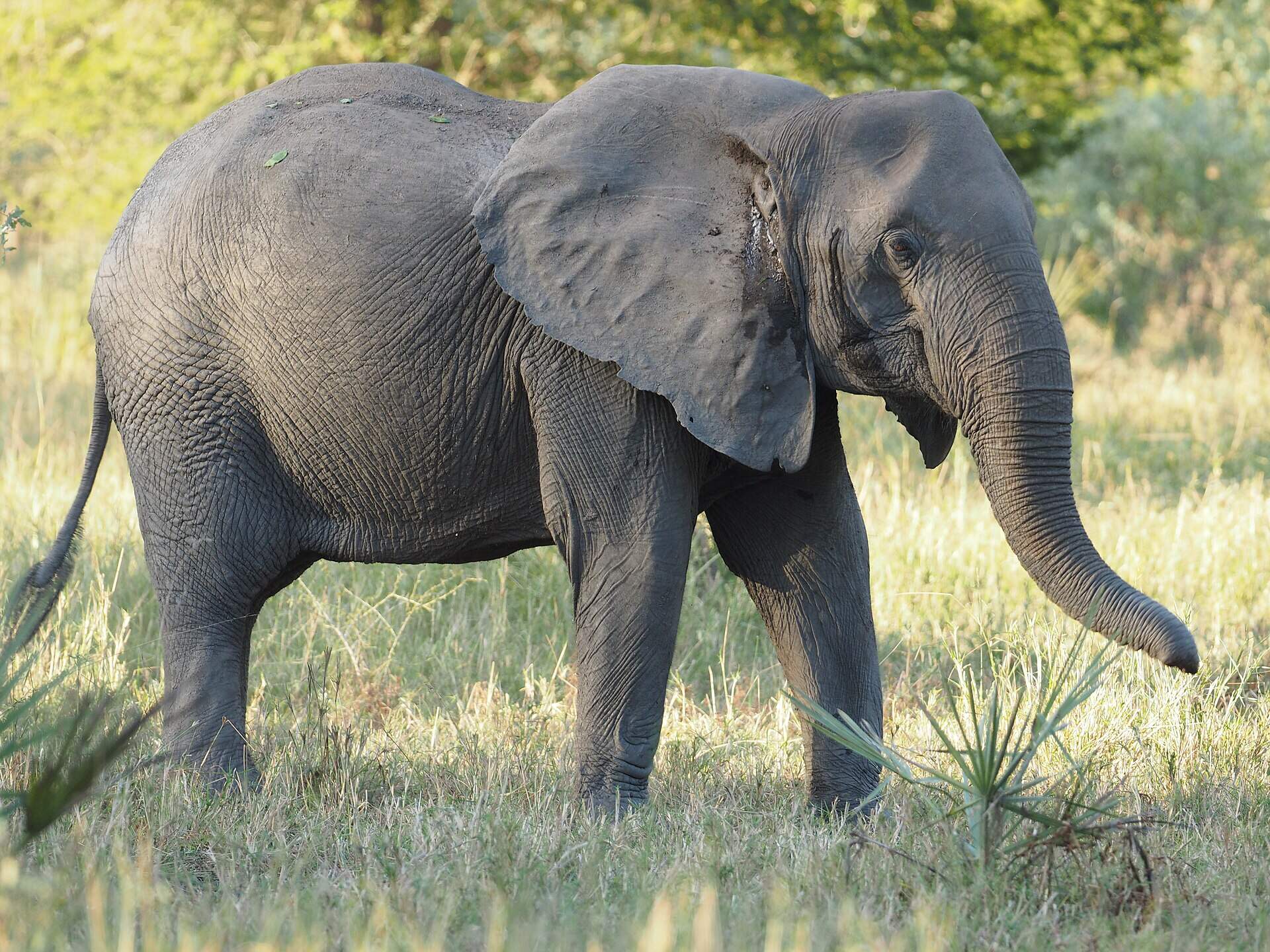
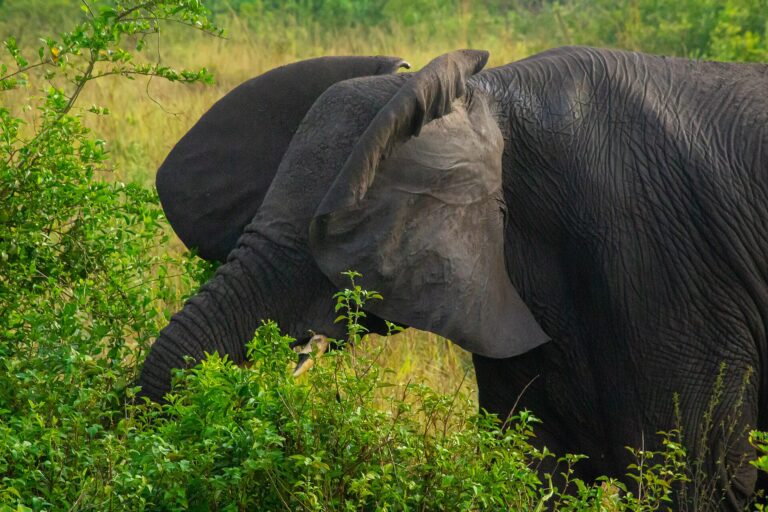
African Elephant, Loxodonta africana, Gorongosa National Park, Mozambique (32440062318), by Judy Gallagher, CC BY 2.0, via Wikimedia Commons.
Mozambique’s African savanna elephants were nearly wiped out by the 1977 to 1992 civil war, then hit again by industrial-scale poaching in the 2010s. The recovery since has been one of the more striking turnarounds on the continent. The National Elephant and Large Mammal Census, flown between September and November 2025 and published by the conservation agency ANAC in July 2026, put the country at 22,718 elephants, more than double the 2018 figure.
Civil war losses
Mozambique’s elephants were a wartime resource. Both sides in the 1977 to 1992 civil war funded operations through ivory sales, and elephant herds were systematically targeted.
Gorongosa, once one of the great elephant landscapes of Africa, lost around 90 percent of its elephants over the war years. The park’s own account puts it at roughly 2,500 animals before the war and fewer than 250 after it.
The Gorongosa rebuild
The American philanthropist Greg Carr first visited Gorongosa in March 2004 and was invited by the Mozambican government to help restore it. In January 2008 he signed a 20-year co-management agreement, since extended to 2043. The Gorongosa Restoration Project has rebuilt the park’s wildlife over that period, and the October 2022 aerial count recorded over 100,000 large animals across the surveyed area, including 620 elephants. The park now puts its elephant population at around 800, since aerial counts undercount in thick cover.
The Gorongosa project is now one of the most-studied African conservation efforts. The model combines wildlife restoration with community health and education programmes and long-term research partnerships.
Niassa Reserve
Niassa Special Reserve in the far north is one of the largest protected areas in Africa, at about 42,300 square kilometres. It carried an average of roughly 12,000 elephants through the 2000s, with a 2009 survey estimate of around 20,000 that the authors themselves flagged as probably too high. Then it collapsed. Aerial counts found about 4,400 elephants in 2014 and 3,675 in 2016, and modelling published in Oryx estimated that around 1,000 elephants were poached in Niassa during 2011 alone, close to three a day.
Enforcement changed the curve. A coordinated strategy begun in early 2018 by the government, the Wildlife Conservation Society and the Niassa Conservation Alliance, using year-round aerial surveillance, a police rapid intervention unit and tougher sentencing, produced a full twelve months with no elephant poached at all. The last illegal killing in that run was recorded on 17 May 2018.
Transfrontier connectivity
Mozambique’s southern elephant population is part of the Great Limpopo Transfrontier Park, linking Kruger in South Africa, Limpopo National Park in Mozambique, and Gonarezhou in Zimbabwe. Cross-border movement is the norm rather than the exception.
Population trend
The national numbers tell the story clearly. The 2014 Great Elephant Census counted 10,496 elephants. The 2018 count found just over 9,100, a 13 percent drop that reflected the poaching crisis. The 2025 census returned 22,718, close to the levels last seen around 2008.
The most telling number in the 2025 survey is not the total but the carcass ratio, the share of elephants spotted from the air that were already dead. It fell from 48.35 percent in 2018 to 4.6 percent in 2025. That is a direct measure of mortality, and it is the clearest evidence that the poaching wave has broken. The survey also found the geography shifting: southern Mozambique now holds about 53 percent of the national total, the largest regional share, which comes from both breeding and elephants moving within the Great Limpopo Transfrontier Conservation Area.
Threats specific to Mozambique
Niassa’s principal historic threat was industrial-scale ivory poaching feeding export routes on the northern coast. Sustained ANAC and Wildlife Conservation Society enforcement has cut that dramatically, but the gains are not self-sustaining, and the insurgency in Cabo Delgado since 2017 has disrupted conservation and ranger operations across the northeast.
In southern Mozambique, human-elephant conflict along the Great Limpopo boundary is the main ongoing cost: elephants crossing into smallholder maize and sorghum fields are regularly killed in retaliation. A growing southern population makes that harder rather than easier, which is the awkward part of a recovery story.
Where to see elephants ethically in Mozambique
For an observation-only, conservation-funded visit:
- Gorongosa National Park: the standard destination. Self-drive game drives or guided trips operate from the rebuilt Chitengo camp, and park fees flow into the Gorongosa Restoration Project.
- Niassa Special Reserve: wilder and much harder to reach. Tourism there is minimal and comes and goes with the concession operators, so check what is actually running before you plan anything. Lugenda Wilderness Camp, which older guidebooks still list, has closed.
- Limpopo National Park: cross-border self-drive from Kruger, within the Great Limpopo Transfrontier Park.
Read next
Frequently asked questions
How many elephants are in Mozambique?
22,718, according to the National Elephant and Large Mammal Census flown in late 2025 and published in July 2026. That is more than double the figure recorded in 2018. They are African savanna elephants, the species the IUCN lists as Endangered.
What happened to elephants in the Mozambican civil war?
They were a wartime resource. Both sides funded operations through ivory. Gorongosa alone lost around 90 percent of its elephants over the war years.
Where can I see elephants in Mozambique?
Gorongosa National Park is the standard destination for accessible elephant viewing. Niassa Reserve in the far north is much wilder and harder to reach.
Is the Mozambique elephant population recovering?
Yes, and faster than most people expected. The national total more than doubled between 2018 and the 2025 survey, and the carcass ratio fell from 48.35 percent to 4.6 percent over the same period. Gorongosa has rebuilt from fewer than 250 elephants, and Niassa went a full year without losing one to poaching.
Who is Greg Carr?
An American entrepreneur and philanthropist who has funded and led the Gorongosa Restoration Project since 2004, signing a 20-year co-management agreement with the government of Mozambique in 2008 that now runs to 2043. He has put more than 100 million dollars of his own money into the park.
Related elephant coverage
- Elephant Conservation 2026: How to Save the Last Giants: Poaching trends, the 1989 ivory ban, the zoo and sanctuary debate, trophy hunting.
- 10 Elephant Rescue Stories That Stayed With Us: Ten documented elephant rescues and the people behind them, each one checkable against the organisation that ran it.
- Elephants in the DRC: Forest Elephants of the Congo Basin: The DRC holds most of Central Africa’s forest and almost none of its forest elephants.
- Elephants in Zimbabwe: Hwange and the KAZA Anchor: Hwange, Mana Pools and Gonarezhou, why Zimbabwe’s elephant abundance is its central conservation problem, and where the CITES ivory argument actually stands.


Gorongosa’s recovery is the standout. From around 200 elephants in 2004 to over 700 by 2022. Greg Carr’s foundation funding plus the academic Gorongosa Restoration Project is the cleanest example of post-conflict ecosystem revival in Africa.