
Human-Elephant Conflict in Sri Lanka in 2025: A Crisis Snapshot
Last updated: October 26, 2026
5 min read
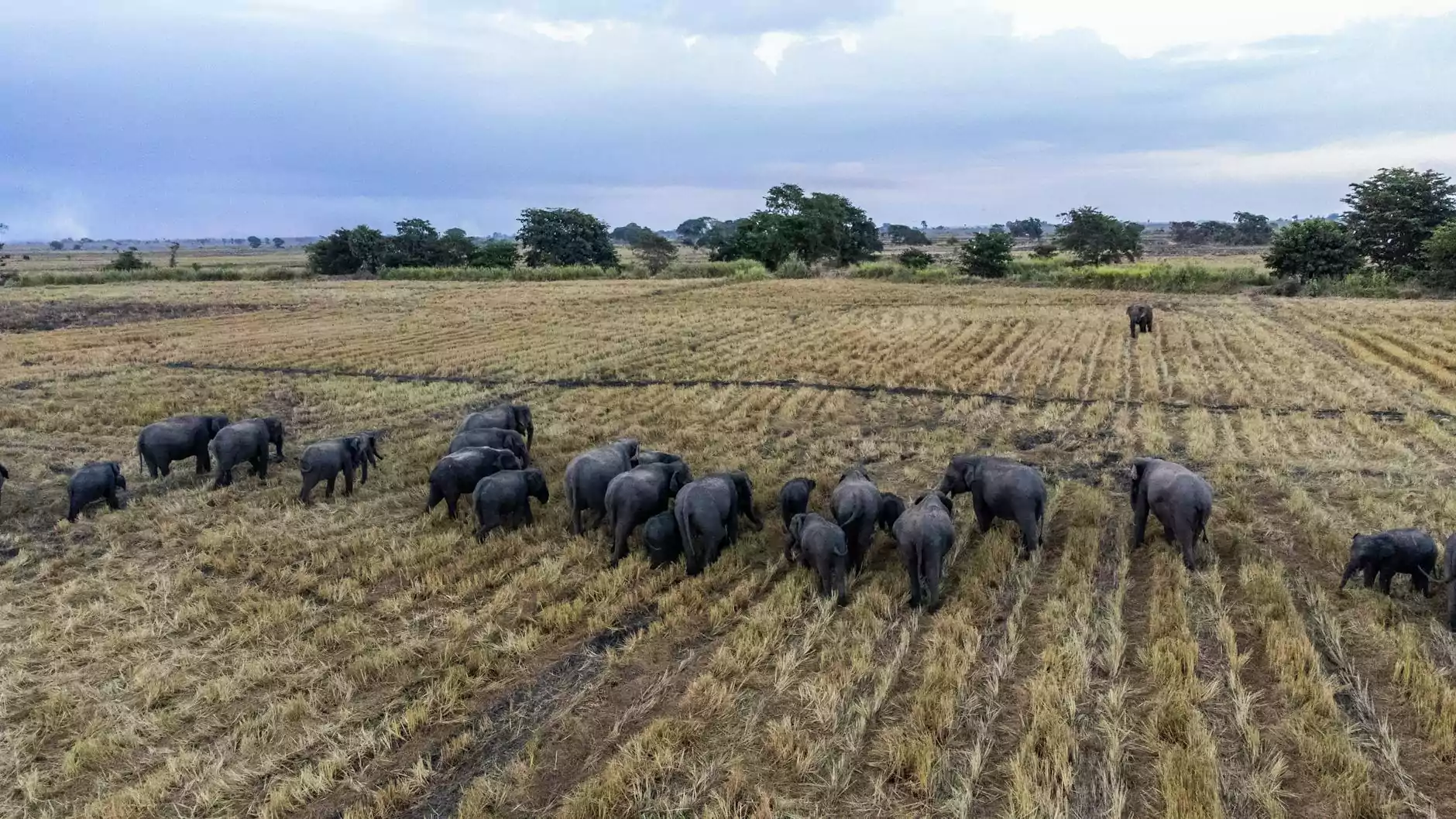
Photo by Charith Kodagoda on Pexels.
Sri Lanka has the densest elephant population in Asia and, by some distance, the world’s worst record for elephants killed in conflict with people. 2023 was the worst year yet recorded, with 488 elephants and 184 people killed in the Department of Wildlife Conservation’s series. 2024 was better but not good: 388 elephants and 155 people. This is where the crisis stood as of mid-2025, what the state has said it will do, and what is actually being tried on the ground.
Key facts
- Wild population: 7,451 in the Department of Wildlife Conservation’s 2024 nationwide survey, the largest in Asia outside India
- Elephant deaths from conflict: 488 in 2023, 388 in 2024
- Human deaths from conflict: 182 in 2023, 155 in 2024
- Dominant mitigation in practice: electric fencing, with beehive fences and technology trials at much smaller scale
- Worst-affected region: the dry zone of north-central and eastern Sri Lanka
Why Sri Lanka has so much conflict
The dry zone in the north and east of the island overlaps almost completely with smallholder paddy agriculture. Elephants and rice fields occupy the same ground, and the ancient tank-based irrigation network that supports the paddy also shapes where elephants can find water. Where that tank network frays, conflict intensifies.
Bulls in musth raid crops aggressively, and family groups raid for rice and bananas as the dry season bites. The economic damage per household is severe and the political pressure on local government is intense, which is what keeps pushing policy towards fast visible responses rather than slow effective ones.
The National Action Plan, and what happened to it
Sri Lanka does have a serious national plan. A Presidential Committee was appointed in July 2020 and chaired by Dr Prithiviraj Fernando, one of the most experienced researchers on Asian elephant conflict anywhere. Its National Action Plan for the Mitigation of Human-Elephant Conflict was handed to the President in December 2020.
The plan is built around coexistence rather than enclosure: community-managed electric fences placed around what needs protecting rather than around parks, mobile fencing for seasonal farmland, managed elephant ranges outside protected areas, and an end to translocations and elephant drives. Where its measures have been piloted, deaths on both sides have fallen.
Implementation has been the problem throughout. Environmental groups spent years publicly urging successive governments to implement the 2020 report rather than commission new ones, and after the change of government in late 2024 the plan was largely set aside. That is the single most important thing to understand about this story: the technical answer has existed on paper since 2020, and the gap is political, not scientific.
Beehive fences
Beehive fences, lines of live hives strung between posts so that a raiding elephant disturbs the bees, came to Asia from Kenya. Sri Lanka hosted the first formal Asian trial, at Dewagiriya, run by the Sri Lanka Wildlife Conservation Society with Save the Elephants. A 2018 playback study led by Lucy King showed that wild Sri Lankan elephants retreat significantly further and vocalise more when they hear Asian honey bees, which is the mechanism the fences depend on.
They work, and they are nowhere near national scale. Beehive fences protect individual farms, not districts, and they need occupied hives to do anything at all, which makes them vulnerable in drought years. Treat them as a useful tool in a layered defence rather than the answer.
Technology trials
Sri Lanka has become a testbed for early-warning technology. Machine-learning detection systems using camera and thermal imaging have been trialled in field conditions with reported detection accuracies above 90 percent, including a system aimed specifically at preventing elephant-train collisions on the island’s railways. Separately, a geofencing pilot at Udawalawe fitted a collar to an elephant and linked the tracking data to a phone app that alerted wildlife officers when the animal approached a village boundary.
The constraint on all of it is the same and it is not technical. A GPS collar costs on the order of a million rupees and needs sedation and a veterinary team to fit. Cameras need maintenance, power and a network. In villages with frequent grid outages, whether the alert system stays up matters more than how clever the detection model is.
Translocation: still contested
Moving a crop-raiding bull somewhere else is the politically popular fix. The research on translocated bulls in Sri Lanka has consistently found high mortality and a return to raiding at the new site, which is why the 2020 action plan recommended ending the practice outright. Whether that recommendation is being followed is another matter, and it remains contested in the worst-affected provinces.
What is and is not working
Community-managed electric fencing placed around villages and seasonal farmland is the intervention with the best evidence behind it, and it is what the action plan prioritises. Beehive fences, crop-variety changes and boundary planting help at farm scale. Early-warning technology is promising and unproven at scale.
Electric fencing along protected-area boundaries, the older approach of fencing elephants in rather than fencing crops off, has a poor record. Maintenance failures are common and elephants test fences quickly. Translocation and elephant drives have the worst record of all.
How to think about this story
Sri Lanka’s conflict is acute for two structural reasons: the highest elephant density in Asia, and near-total overlap between elephant range and smallholder paddy farming. No policy resolves that geometry. What policy can do is cut mortality on both sides through village-scale interventions applied consistently over years, which is exactly the kind of work that loses funding and attention between election cycles.
If you want to follow it, the Department of Wildlife Conservation’s annual mortality figures are the macro indicator, and the Sri Lanka Wildlife Conservation Society is the most accessible route to supporting village-level work directly.
Frequently asked questions
How many elephants does Sri Lanka have?
7,451, according to the Department of Wildlife Conservation’s 2024 nationwide survey, the first since 2011. The 2011 census counted 5,879. It is the largest wild population in Asia outside India. Older sources still quote around 6,000, which is the 2011 number.
Why is human-elephant conflict so high?
The highest elephant density in Asia combined with widespread smallholder paddy agriculture across the same landscape.
How many deaths per year?
2023 was the record year, with 488 elephants and 184 people killed. 2024 came in at 388 elephants and 155 people. Between 2015 and 2024 the total was roughly 3,484 elephants and 1,195 people.
What mitigation works best?
Community-managed electric fencing around villages and seasonal farmland, layered with farm-scale measures such as beehive fences and crop changes. Fencing elephants into protected areas has a much weaker record than fencing crops off.
Does translocation help?
No. Research on translocated bulls in Sri Lanka shows high mortality and a return to raiding at the destination. The 2020 national action plan recommended ending it.
Where can I read the action plan?
The National Action Plan for the Mitigation of Human-Elephant Conflict, produced by the Presidential Committee chaired by Prithiviraj Fernando and submitted in December 2020, is available online.
Is the population declining?
The 2024 survey counted more elephants than the 2011 census did, though better coverage explains part of that. Regional pressure is sharp regardless: losing 388 elephants in 2024 to conflict is not something a population of this size can absorb indefinitely.
Are temple elephants part of the wild count?
No, captive populations are tracked separately.
See our Sri Lankan elephant species profile and our conservation pillar.
This article is part of our elephant conservation guide, which links all our reporting on threats, trade, captivity and what helps.
Keep reading
- 100 Elephant Facts: Everything to Know About Earth’s Largest Land Animal: Our master elephant fact sheet: anatomy, cognition, matriarchal society, infrasound, the trunk, tusks and ivory, diet.
- Elephants in Sri Lanka: A Complete Country Guide: The 2024 survey counted 7,451 wild elephants on an island the size of Ireland: where to see them, what the Gathering is, and the real numbers behind the human-elephant conflict.
- Beehive Fences for Elephants: How They Work and Where They Scale: Lucy King’s beehive fences turn away most crop-raiding elephants and make honey doing it.
- Beehive Fences and Why They Work: Using Bees to Protect Crops from Elephants: Lucy King turned an old observation about elephants avoiding beehives into a working crop-defence system.
Updated 14 September 2026: corrected Sri Lanka’s 2023 human death figure and 2024 elephant count.



Corridor restoration over enclosure is the right longer-term framing. Glad the National Action Plan moved that way.
Crop variety switches and citrus boundary plantings as raid reduction is the under-discussed micro-intervention. Local agronomy matters.
400 plus elephant deaths and 130 plus human deaths a year is grim. The dry zone is where this fight is being fought.