Sumatran Elephant Species Profile: Facts, Range, Conservation
Last updated: October 27, 2026
5 min read
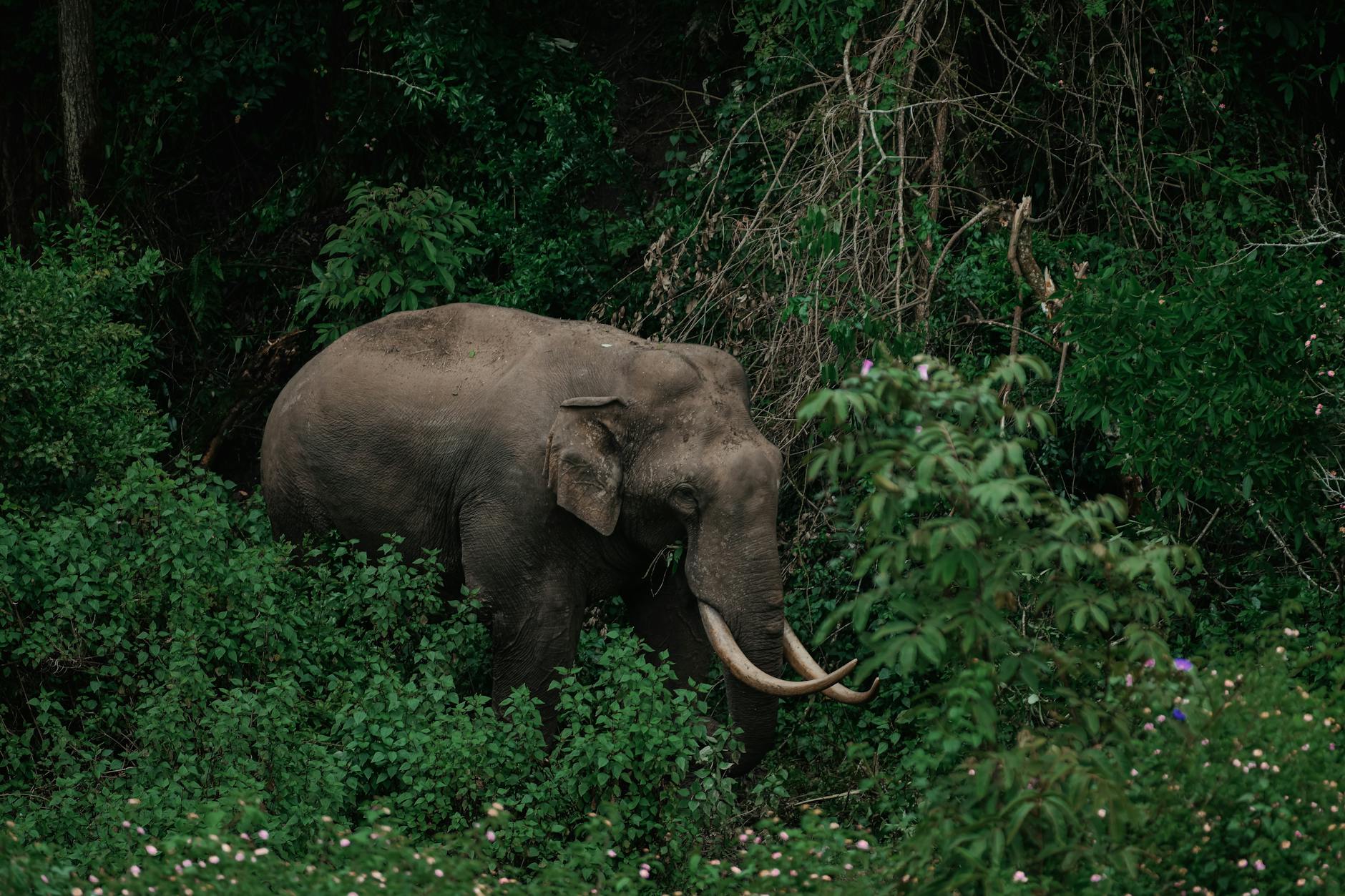
The Sumatran elephant (Elephas maximus sumatranus) is one of the most endangered large mammals on Earth. Indonesia’s draft 2026 to 2036 elephant action plan estimates 1,320 to 1,635 left in the wild, and the IUCN has listed it as Critically Endangered since 2011.
Key facts at a glance
| Common name | Sumatran elephant |
|---|---|
| Scientific name | Elephas maximus sumatranus |
| Family | Elephantidae |
| Shoulder height | About 2 to 3.2 m (6.6 to 10.5 ft) |
| Weight | Around 2,000 to 4,000 kg |
| Diet | Grasses, leaves, bark, roots, fruit and palms |
| Habitat | Lowland tropical forest of Sumatra, Indonesia |
| IUCN status | Critically Endangered |
| Population | 1,320 to 1,635 (Indonesia’s draft 2026 to 2036 action plan) |
| Lifespan | Asian elephants typically live into their mid-50s |
| Gestation | About 22 months |
A subspecies on the edge
The IUCN moved the Sumatran elephant to Critically Endangered in 2011, after it lost about half its population in one generation. Indonesia’s draft 2026 to 2036 elephant action plan estimates 1,320 to 1,635 left, in fragmented populations across the island.
Sumatran elephants have lighter skin than Indian and Sri Lankan elephants and one more pair of ribs (20 pairs). Females have short tusks or none.
Why Sumatran elephants are disappearing
The single biggest driver is habitat loss to oil palm and pulp plantations. Sumatra had lost 56 percent of its 1985 natural forest by 2016, most of it in the lowlands, according to the Eyes on the Forest coalition. Elephants that lose forest end up raiding crops, come into conflict with farmers, and are killed by poisoning, electrocution and traps. The Indonesian Elephant Forum counted about 200 Sumatran elephant deaths between 2012 and April 2015, Mongabay reported.
Poaching for ivory is a threat too. In Bukit Tigapuluh, a DNA study of dung found only three adult males in the whole area, and the researchers linked the shortage of older bulls to illegal killing. For background on how the global ivory trade interacts with smaller subspecies markets, see our ivory-trade explainer.
Where they live today
Indonesia’s 2026 to 2036 plan counts 21 elephant population pockets in Sumatra, down from 42, and finds that only 23 percent of the country’s wild elephants live in areas the government protects. Way Kambas and Bukit Barisan Selatan national parks in the south have DNA-based population surveys. The Leuser ecosystem in the north is, in the words of Re:wild, the last place where Sumatran orangutans, tigers, elephants and rhinos still live together in the wild.
All these populations are small, and most are isolated. DNA surveys of dung in Bukit Tigapuluh (2015) and Tesso Nilo (2016) identified individual elephants, which lets researchers count them and track losses. The new national plan lists corridors and habitat connectivity among its focus areas.
Conservation in 2026: what is working
- Elephant Conservation and Monitoring Units, run by the Frankfurt Zoological Society in Bukit Tigapuluh since 2016, which track herds with GPS collars
- Conservation Response Units in Aceh (since 2008) and Elephant Response Units at Way Kambas in Lampung (since 2011), whose mahouts use trained elephants, torches and noise to move wild elephants away from farms
- The Elephant Conservation Centre at Way Kambas (formerly the Elephant Training Centre), which keeps captive elephants and has recorded calf births since 2024
- Enforcement against illegal plantations: by November 2025 a government task force had seized 4,700 hectares of illegal oil palm inside Tesso Nilo National Park
What the government has committed to
In 2019 Indonesia made permanent its ban on new permits in primary forest and peatland. In February 2025 the Ministry of Forestry signed a new agreement with WWF Indonesia that includes plans for an elephant corridor of about 20,000 hectares in Aceh. In June 2026 the president issued an instruction on rescuing Sumatran and Bornean elephants and their habitat, and in August 2026 the government launched its 2026 to 2036 elephant conservation strategy.
How to help Sumatran elephants from anywhere
If you buy products with palm oil, RSPO-certified Identity Preserved or Segregated oil is kept separate from uncertified oil, while Mass Balance mixes the two; all three come from plantations certified to the same standard. WWF Indonesia works on Sumatran elephant habitat. If you visit any elephant venue, check World Animal Protection’s elephant-friendly list first. For a deeper dive into other Asian elephant subspecies, see our Asian elephant species profile.
Frequently asked questions
How many Sumatran elephants are left in the wild?
Indonesia’s draft 2026 to 2036 elephant action plan estimates 1,320 to 1,635, in fragmented populations across Sumatra. Its authors say the figure is higher than an older draft estimate because of new data, not population growth.
Why is the Sumatran elephant Critically Endangered?
The IUCN listed it as Critically Endangered in 2011 after it lost about half its population in one generation. Forest loss to plantations is the main driver: Sumatra had lost 56 percent of its 1985 natural forest by 2016. Elephants pushed onto farms are also killed by poisoning, electrocution and traps.
How is the Sumatran elephant different from other Asian elephants?
It has lighter skin than Indian and Sri Lankan elephants and one more pair of ribs, and females have short tusks or none. Adults stand about 2 to 3.2 m at the shoulder.
Where can I see Sumatran elephants ethically?
Wild Sumatran elephants are hard to see. Avoid any operator offering rides or bathing with elephants, and check World Animal Protection’s elephant-friendly list before visiting any elephant venue.
What is the biggest threat to Sumatran elephants today?
Habitat loss and fragmentation driven by oil palm and pulp plantations. Indonesia’s plan counts 21 population pockets in Sumatra, down from 42, and only 23 percent of the country’s wild elephants live in protected areas.
Can buying RSPO palm oil really help?
It can help a little. Identity Preserved and Segregated RSPO oil is kept apart from uncertified oil, and Identity Preserved can be traced to a single mill. Mass Balance mixes certified and uncertified oil. Choose Identity Preserved or Segregated, or avoid palm oil where you can.
Sources
- Mongabay, Only 1,325 to 1,648 wild elephants left in Indonesia (August 2026)
- Antara, Indonesia launches elephant conservation action plan (2026)
- RRI, Sumatran and Bornean elephant conservation strategy 2026 to 2036
- Eyes on the Forest, Sumatra backgrounder
- Mongabay, Two more Sumatran elephants found dead in Aceh (2015)
- Mongabay, DNA from Sumatran elephant dung (2015)
- WWF Indonesia, DNA study of Sumatran elephants (2016)
- Re:wild, Leuser ecosystem
- Frankfurt Zoological Society elephant monitoring units
- Global Voices, Way Kambas elephant response units (2022)
- Mongabay Indonesia, Conservation Response Units in Aceh (2023)
- Malay Mail, Tesso Nilo task force (November 2025)
- Climate Laws, Presidential Instruction 5 of 2019 (forest moratorium)
- WWF Indonesia, new MoU with the Ministry of Forestry (2025)
- RSPO, supply chain certification standard
How we check facts and correct errors is set out in our editorial standards.
Learn more about elephants
Start at the pillars: our elephant species hub for who lives where, our elephant conservation hub for the policy and field work, and our elephant facts hub for the science behind it all. Browse our species profiles for the deep dives on each elephant species and subspecies, and our elephant news archive for the most recent conservation reporting.
If you want to donate, check a charity’s recent accounts, programme reports and registration first.
Updated 27 October 2026: corrected the population, status year, lifespan and smallest subspecies claims, removed an unsupported claim about the site, and rechecked every remaining claim against a source, cutting what we could not support.