

Chan Chao: The Elephant Beaten by His Handler in Ayutthaya
Last updated: October 26, 2026
4 min read
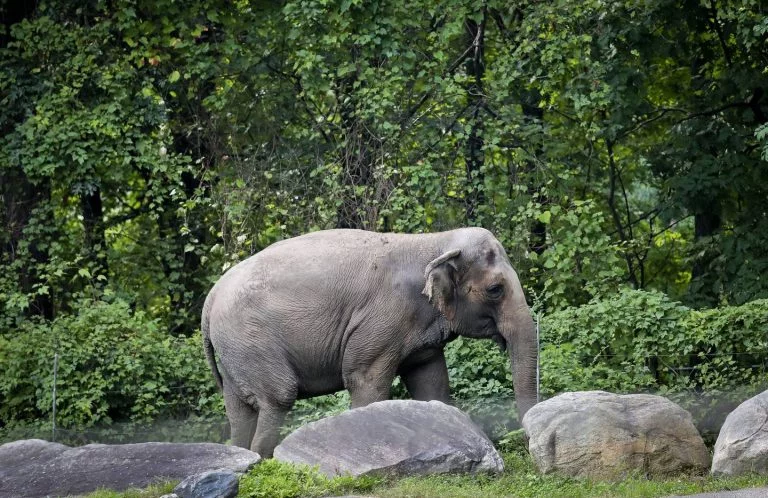
In April 2022 a captive Asian elephant named Chan Chao was filmed being struck repeatedly on the head with a bullhook by his teenage handler at a tourist attraction in Thailand. The footage, recorded by a visitor, went round the world. The handler was sacked, animal welfare groups filed a complaint with the local police, and the camp’s manager marched him back in front of the elephant to apologise on camera. The story is a hard watch, but it is also an unusually clear lesson in why captive elephant rides exist, how the animals are controlled, and how a traveller can avoid funding it.
The incident happened at the Ayutthaya Elephant Palace in Phra Nakhon Si Ayutthaya, central Thailand, where Chan Chao was being prepared to give rides. As the handler, an 18-year-old named Peerapat, moved the elephant between spots he was seen striking him hard on the head with a bullhook. One blow was severe enough that the elephant’s knees buckled. He was struck again as he kept walking. Reports at the time described the spiked hook piercing the skin and leaving cuts on the head. Chan Chao was 18 years old too, the same age as the boy hitting him.
What a bullhook is, and the mindset behind it
The tool Peerapat used is an ankus, commonly called a bullhook: a sharp metal hook on a long handle. Mahouts use it to steer an elephant and, when the elephant resists, to hurt it. The hook is kept in plain sight as a standing reminder of what disobedience costs. Peerapat defended himself in familiar terms afterwards, saying he had used it because Chan Chao had become anxious after an encounter with an adult elephant, and that an uncontrolled elephant turns dangerous.
That is the heart of the problem. The cruelty is not one rogue teenager: it is an inherited working method in which pain is a normal management tool. Firing one handler does not touch it. The camp’s manager and vet said the wounds would heal inside a week and that the real mistake had been putting an inexperienced young mahout in charge of that elephant. Note what is missing from that explanation.
Why captive elephants accept rides at all
An elephant does not naturally let a person ride on its back or perform tricks on command. Many tourism elephants are made compliant through a traditional breaking process known in northern Thailand as phajaan, or “the crush”. A young calf, often around three years old, is separated from its mother, physically restrained, and subjected to pain and the withholding of food and water until it stops resisting human commands. Basic obedience is then drilled in over the following months. The gentle, ride-ready elephant a tourist sees has usually been through this.
Why head blows are especially dangerous
That Chan Chao was struck on the head, hard enough to drop him to his knees, matters. An elephant’s skull is large but it is not solid armour: it is honeycombed with air-filled sinus cavities that lighten the head while supporting the trunk and tusks. Sensitive nerve pathways and the base of the trunk sit close to the surface. A heavy bullhook blow there can cause bruising, nerve damage and lasting pain, and an elephant cannot tell anyone where it hurts. That he kept walking after his knees gave way is not evidence he was fine. Elephants mask pain and push through it, which is part of why so much captive suffering goes unseen by the tourists standing right next to it.
Be careful what you pay for
The tourists who filmed Chan Chao handed the video over because they wanted the cruelty stopped. Their instinct was right, and it points to a simple rule for travellers: where your money goes decides what happens to these animals.
The Ayutthaya Elephant Palace is a tourist attraction offering rides, feeding and photos. It is not a sanctuary, whatever the marketing says. A few red flags separate a genuine refuge from a ride camp:
- If a venue offers rides, it is not a true sanctuary, no matter what it is called.
- Performances, painting, circus-style tricks or bathing-with-tourists sessions all signal a trained, controlled elephant.
- Bullhooks or chains on display indicate pain-based control.
- A real sanctuary keeps a respectful distance and lets elephants behave as elephants, in herds, on their own terms.
If you visit Thailand, please never pay to ride an elephant. Choose observation-only venues, and you starve the ride industry of the money that keeps it running.
The bigger picture
World Animal Protection’s Bred to Entertain report, published in January 2026, assessed 236 Thai venues holding 2,849 captive elephants and found that nearly two in three were living in poor conditions.
The same report carries a genuine improvement and an important caveat, and both are worth stating. The share of Thailand’s captive elephants used for rides fell from 92 percent in 2010 to 43 percent in 2024, and observation-only venues grew from 4.6 percent to 7.3 percent of animals. That shift happened because travellers learned and refused. But the total number of elephants in Thai tourism grew by more than 70 percent over the same fifteen years, so the number actually being ridden fell only about 20 percent, from roughly 1,519 to 1,217. Demand moved faster than supply did.
Which is the honest version of the hopeful ending. Chan Chao’s beating became a viral headline; the lasting fix is quieter and slower, and it is a tourism market that stops rewarding control by pain and stops growing the population of elephants born into it. To understand the animal at the centre of this story, read our species profile of the Asian elephant.
More about elephants
- 100 Elephant Facts: Everything to Know About Earth’s Largest Land Animal: Our master elephant fact sheet: anatomy, cognition, matriarchal society, infrasound, the trunk, tusks and ivory, diet.
- 10 Facts About the Elephant Entertainment Industry: The crush, the bullhook, the spine damage from chair saddles, and what has actually changed since Ringling retired its herd.
- Ethical Elephant Tourism in 2026: How to Tell Real From Show: Riding, bathing and shows all rest on the same training.
- Elephant Kills Owner in Thailand: What It Says About Working Elephants: A 20-year-old working elephant killed his owner in Phang Nga in August 2022 after hauling rubber wood in the heat.
This article is part of our elephant conservation guide, which links all our reporting on threats, trade, captivity and what helps.



the bullhook-on-the-head detail is the part of this i cannot stop thinking about. an 18 year old handler who grew up around an 18 year old elephant is a familiarity that should produce more care, not less. the Phajaan-era logic of ‘control or they go fierce’ is exactly the welfare myth that keeps the tourism camps going. ayutthaya elephant palace should lose its operating licence over this, not just fire the kid.