Elephant Family Structure: Matriarchs, Bond Groups and Bulls
What fifty years of continuous records at Amboseli show about elephant families: who leads, when bulls leave, and the experiments that proved older matriarchs really do know more.


What fifty years of continuous records at Amboseli show about elephant families: who leads, when bulls leave, and the experiments that proved older matriarchs really do know more.

The 2020 to 2022 Horn of Africa drought, Sumatran peat fires and Sri Lankan dry-zone water stress, and why drilling waterholes is a trade rather than a fix.

Namibia’s ivory stockpile bid failed at Samarkand. A quieter annotation amendment passed by consensus, and it is the one that changed the rules.

Drought culls in Namibia and Zimbabwe, Botswana’s 20,000-elephant offer to Germany, and the nine-year beehive fence result. What is actually on the record for 2024.
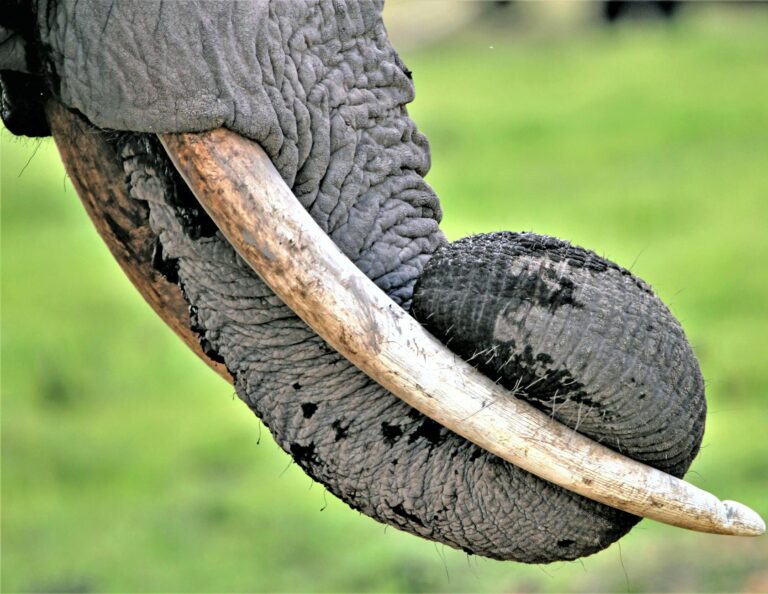
How elephants are listed under CITES, what CoP19 settled, and what the 2025 Samarkand meeting did and did not change.

Elephants drink 100 to 200 litres a day, dig wells, swim across rivers and use mud for cooling and skin care. See the evidence.

World Elephant Day falls on 12 August. See who launched it in 2012, how the campaign works and how to take part without invented themes.

Two matriarchs, 35 days of collar data from Chobe National Park, and the shortest sleep schedule recorded in any mammal. What the study found and what it did not.
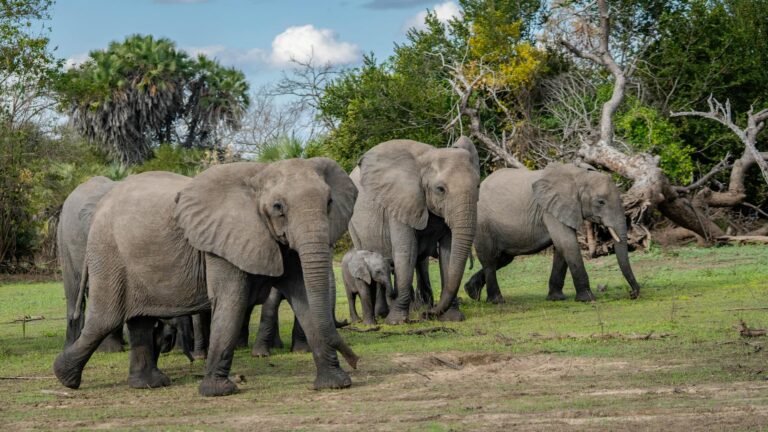
What the Amboseli and Tarangire studies show about why the oldest female runs the family, and why losing her costs a herd more than losing anyone else.
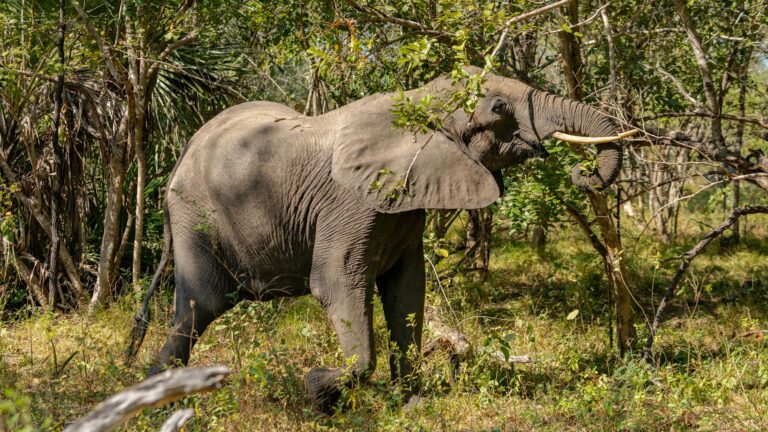
Lucy King turned an old observation about elephants avoiding beehives into a working crop-defence system. How beehive fences work, what they cost, and where they fail.

In March 2022 the US cleared its first Zimbabwean elephant trophies in five years, after a 2021 settlement with the Dallas Safari Club. How the ban came and went, and both sides of the argument.
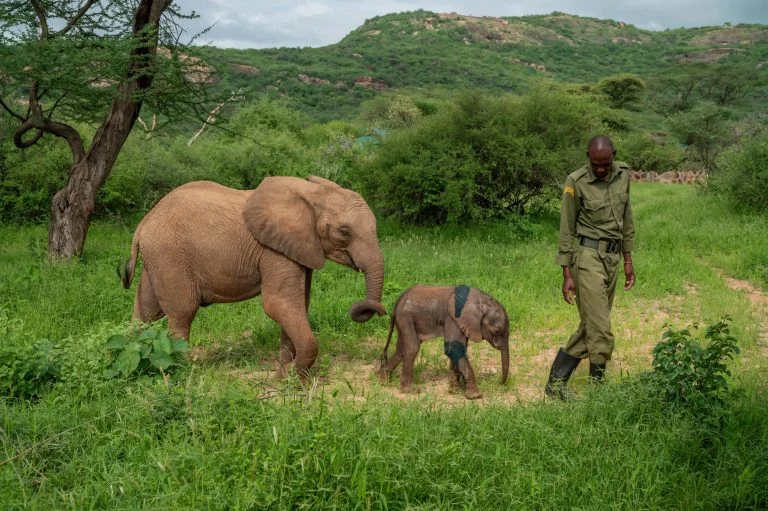
A pandemic supply failure pushed Reteti Elephant Sanctuary onto locally bought goat milk. Orphan survival rose from around 50 percent to around 98, and a thousand Samburu women gained an income.
We send one careful elephant roundup per month. Conservation news, species profiles, the occasional reader question we could not resist answering.
We never share your email. One-click unsubscribe.