

World Elephant Day Explained: How August 12 Became a Global Event
Last updated: November 26, 2026
4 min read
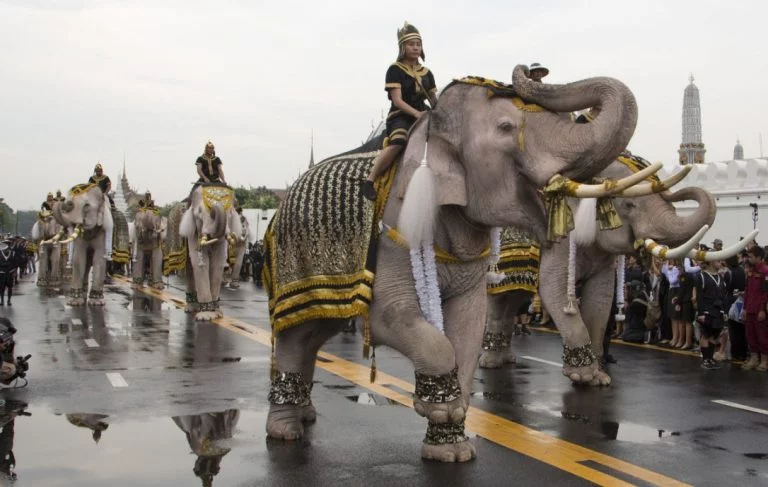
Photo by Ákos Helgert on Pexels.
World Elephant Day falls on 12 August every year. It was launched in 2012 and is now supported by more than a hundred wildlife organisations, which run their own events under a shared banner rather than to a central plan.
Where the day came from
The idea was conceived in 2011 by the Canadian filmmakers Patricia Sims and Michael Clark of Canazwest Pictures, together with Sivaporn Dardarananda, Secretary-General of the Elephant Reintroduction Foundation in Thailand. Sims and the Foundation launched it formally on 12 August 2012, and Sims has led it since. In November 2015 the World Elephant Society was registered as a nonprofit to support the annual campaign, with Sims as its president.
The Elephant Reintroduction Foundation was set up in 2002 as a royal initiative of Queen Sirikit of Thailand, which gave the campaign institutional weight from the start. The Foundation runs three forest sanctuaries in Thailand and has returned more than a hundred formerly captive elephants to natural habitat, where calves have since been born in the wild.
The first World Elephant Day was tied to a film: Return to the Forest, a 30-minute documentary narrated by William Shatner about captive Asian elephants being reintroduced to the wild. That choice set the tone. The campaign has always been about the lives of captive elephants as much as the protection of wild ones. A follow-up, When Elephants Were Young, was also narrated by Shatner.
What the day is for
The day exists partly to widen the conversation past ivory. Poaching is real and serious, but it is not the only pressure, and the campaign was built to give the slower threats a hearing too.
- Poaching and the wildlife trade. Elephants are killed for ivory, and their meat, skin and other body parts also feed illegal trade.
- Habitat loss. Forest and savanna cleared for farming and development fragments the large ranges elephants need to follow food and water through the seasons.
- Human-elephant conflict. Where farmland has replaced a traditional corridor, elephants raid crops and people retaliate. Both die in these encounters every year.
- Captivity and exploitation. Elephants are still chained at temples, ridden by tourists and made to perform.
Habitat loss deserves a closer look because it quietly amplifies the others. As forest shrinks, elephants are easier for poachers to track, and the same shrinking range pushes herds into closer contact with people. One problem feeds the next.
The sanctuary model
The more hopeful thread running through the day is the observation-based sanctuary. A genuine one is defined by what it refuses to offer: no rides, no shows, and in the strictest cases no close contact with visitors at all. Guests watch elephants forage and bathe from a distance. It is the practical answer to the ride camps, and a useful test when you are choosing where to spend money on a trip.
How organisations and readers use the date
The structure is deliberately light. Save the Elephants, the Sheldrick Wildlife Trust and dozens of smaller groups time appeals, adoption drives, school sessions and documentary screenings to the date and run them themselves. That decentralisation keeps overheads low and lets each organisation bend the day to whatever it is already working on, which is probably why it has lasted where more tightly run international observance days fade.
If you want to mark it yourself, three things are worth more than a post: give to one organisation with a long track record and public accounts rather than spreading small amounts thin, read and share primary material rather than viral clips, and decline to share footage from ride camps, bathing operations and performance shows even when the framing is sympathetic. Those operations run on social proof, so withholding it is a small cumulative contribution. The IUCN African and Asian Elephant Specialist Groups both publish open-access status reports if you want to check a claim at source.
One awkward detail: 12 August sits inside the northern hemisphere school summer holiday, which makes classroom work difficult in Europe and North America and easier in the southern hemisphere.
Frequently asked questions
When is World Elephant Day?
12 August every year, since 2012.
Who founded it?
Patricia Sims and the Elephant Reintroduction Foundation in Thailand, from an idea developed in 2011 with Michael Clark and Sivaporn Dardarananda.
How many organisations take part?
More than a hundred wildlife organisations recognise the day, along with a large number of individuals.
Should I share footage from ride camps?
No. Sympathetic sharing still promotes the operation.
Is it about Asian or African elephants?
Both. The launch was rooted in Asian elephant work in Thailand, and African coverage has grown since.
What film launched World Elephant Day?
Return to the Forest, a 2012 documentary narrated by William Shatner about captive Asian elephants being reintroduced to the wild.
We do not have good public data on how much money the day actually raises, or on how event numbers have moved year to year. If you run an organisation that marks it and you are willing to share figures, leave a comment and we will update this page.
Elsewhere on We Love Elephants
- Elephant Conservation 2026: How to Save the Last Giants: Poaching trends, the 1989 ivory ban, the zoo and sanctuary debate, trophy hunting.
- World Elephant Day 2026: A Guide To Marking The Day: World Elephant Day falls on 12 August. The guide lists practical ways to mark it.
- Ethical Elephant Sanctuaries: No Rides, No Shows, and Where to Go: How to tell a real sanctuary from a camp, which lists to trust, and sanctuaries checked in Thailand, India, Kenya, Europe and the US.
- Elephants in Thailand: Wild Numbers, Sanctuaries, and Ethics: Where Thailand’s 4,000-plus wild elephants live, what the captive tourism industry really looks like, and how to tell a working sanctuary from a rebranded ride camp.
Updated 14 September 2026: removed a fabricated theme and stale event reference.




Charity Navigator and GiveWell as filters is the practical advice that actually helps. Cheers for naming names.
Save the Elephants, Sheldrick, AsESG are the three I keep going back to when people ask where to donate.
The point about avoiding footage from ride camps and bathing operations is exactly right. Well-intentioned shares often do more harm than good.
Patricia Sims founding the day in 2012 is a piece of history I never knew. The Thailand-based reintegration framing is interesting.
August 12 lining up with school calendars makes more sense to me as a teacher than the more abstract framing usually gets.
Over 100 partner orgs is impressive sustained traction. Most NGO-coordinated calendar days fade after the first decade.