Elephant Family Structure: Matriarchs, Bond Groups and Bulls
What fifty years of continuous records at Amboseli show about elephant families: who leads, when bulls leave, and the experiments that proved older matriarchs really do know more.


What fifty years of continuous records at Amboseli show about elephant families: who leads, when bulls leave, and the experiments that proved older matriarchs really do know more.

Elephants drink 100 to 200 litres a day, dig wells, swim across rivers and use mud for cooling and skin care. See the evidence.

Lin Wang reached a verified 86 years. Other very old elephant claims have weaker records. See how teeth and care affect elephant longevity.

How elephants drink, why they float, what the trunk-as-snorkel actually requires of the chest, and what the record really says about how far an elephant can swim.
The three living elephant species, how to tell them apart at a glance, their separate IUCN listings, and a set of trivia games to test what you have learned.

Fly-swatters made from branches, thrown dust, and Kandula moving a cube to reach his food. What the published studies actually show about elephant tool use.
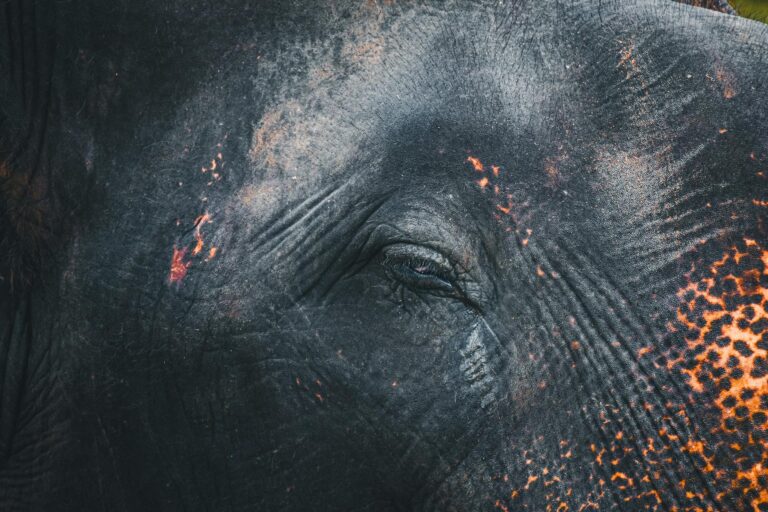
Dichromatic, moderately sharp, and third in the sensory order behind hearing and smell. What elephants can and cannot make out.

Two matriarchs, 35 days of collar data from Chobe National Park, and the shortest sleep schedule recorded in any mammal. What the study found and what it did not.
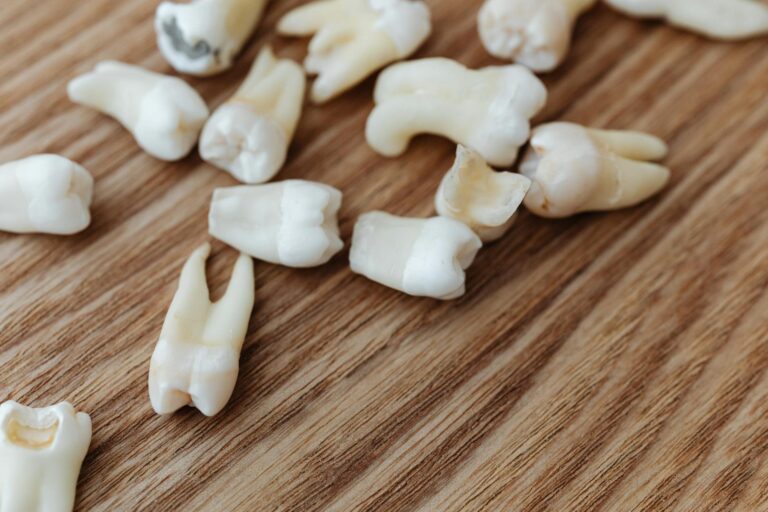
Elephants cycle through six sets of molars, replaced horizontally rather than vertically. When the sixth wears out the animal starves. How the system works and how researchers read age from it.

Elephants split roughly evenly between left- and right-trunked. Here is how to read the master tusk and the worn trunk whiskers that give the preference away.

No bones, about 90,000 muscle bundles, and the best nose on land. How the elephant trunk works and why almost everything an elephant does runs through it.
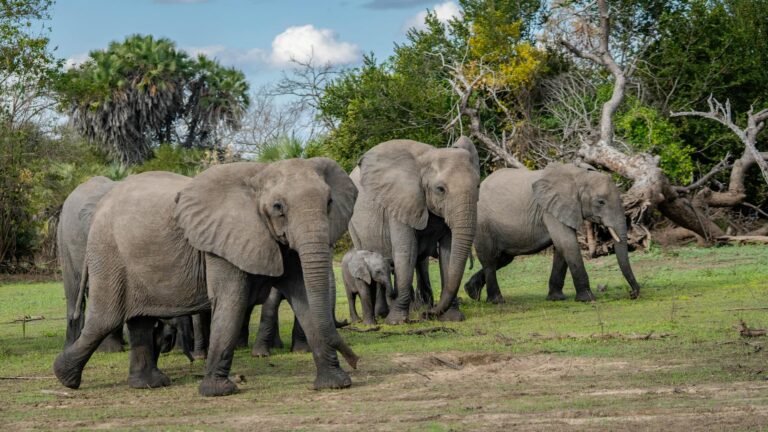
What the Amboseli and Tarangire studies show about why the oldest female runs the family, and why losing her costs a herd more than losing anyone else.
We send one careful elephant roundup per month. Conservation news, species profiles, the occasional reader question we could not resist answering.
We never share your email. One-click unsubscribe.