Elephants in Thailand: Wild Numbers, Sanctuaries, and Ethics
Last updated: October 27, 2026
4 min read
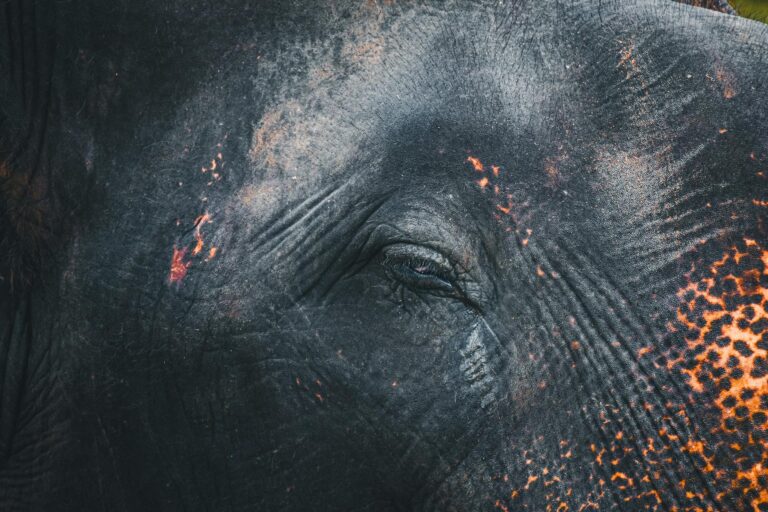
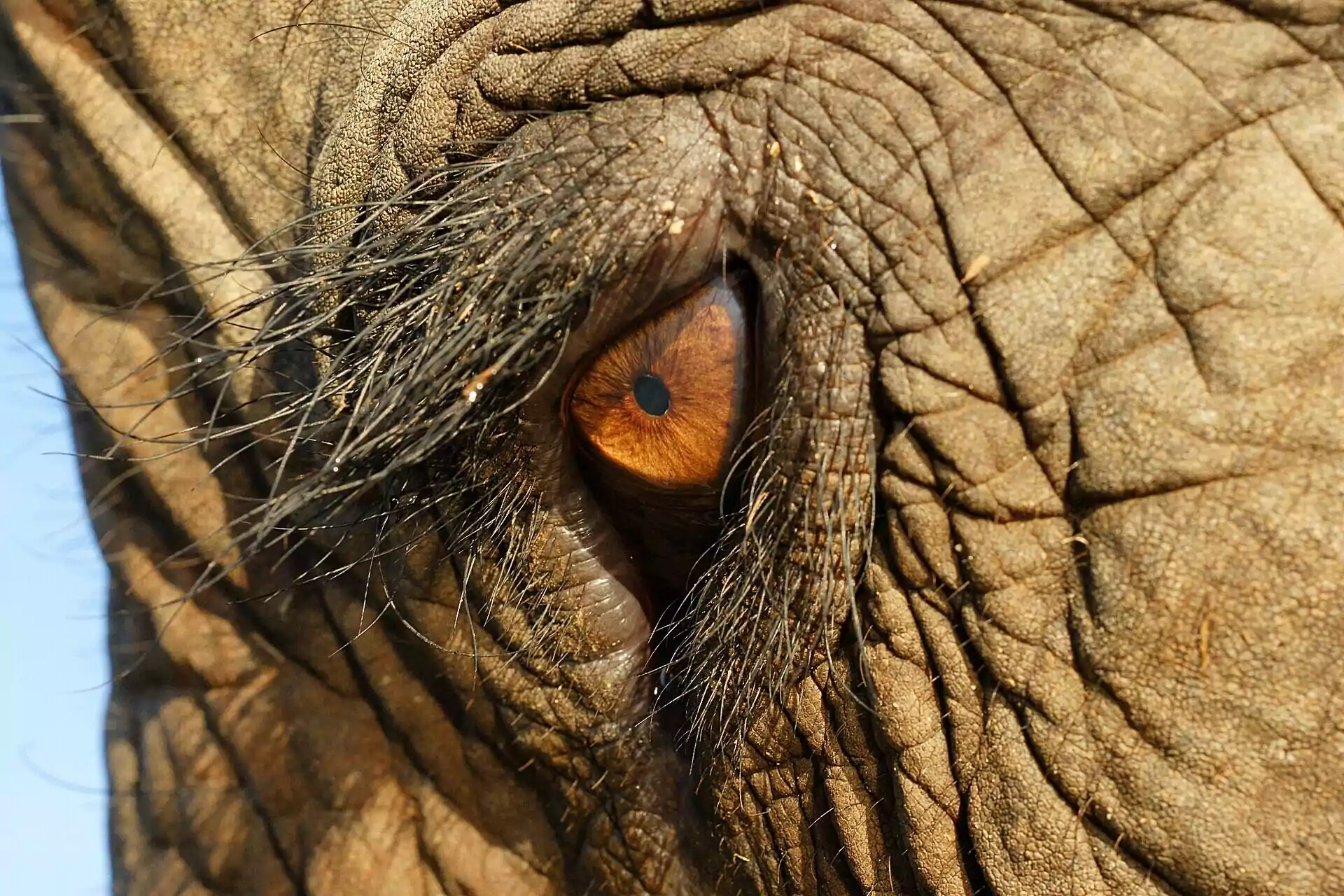
Elephas Maximus Eye Closeup, by Alexander Klink, CC BY 3.0, via Wikimedia Commons.
Thailand is one of the easiest places in the world to get close to an elephant, and one of the easiest places to get it wrong. This is a practical guide to where the wild elephants are, what the captive tourism industry actually is, and how to tell a working sanctuary from a rebranded ride camp. For the history and the cultural side, see our piece on elephants in Thai culture.
Wild population and parks
Thailand’s Department of National Parks put the wild population at roughly 4,013 to 4,422 animals across 91 conservation areas in its January 2024 assessment. That is up sharply from a low of around 1,800 in 1989, and the growth is now producing its own problem: rising human-elephant conflict at forest edges, and an open policy debate about population management.
Most wild elephants live in the Western Forest Complex, which spans Kanchanaburi and Tak, and in Khao Yai, Kui Buri and the smaller eastern and southern complexes.
Kui Buri in Prachuap Khiri Khan is the most reliable site in the country for free-ranging wild elephant sightings. Khao Yai turns up elephants on the road at dusk with reasonable frequency. Kaeng Krachan offers wilder and slower sightings for people willing to work harder for them.
Captive elephants and the tourism trade
Myanmar has Asia’s largest captive elephant population. Thailand also holds several thousand captive elephants. Estimates range from around 3,000 to 4,500, and the spread is wide because registration is inconsistent and animals move between venues. Most descend from working elephants used in the logging industry before the 1989 timber-extraction ban. When that ban landed, mahouts and their elephants had no livelihood, and tourism filled the gap.
Quality varies enormously. Some camps still offer rides and circus-style shows with poor welfare standards. Others have moved to no-ride observation models. The word “sanctuary” is not regulated and tells you nothing on its own.
How to vet a sanctuary
Look for no rides, no chains during the day, no painting or trick shows, hands-off observation as the default, and transparent ownership and welfare policies.
Walk away from front-page hero shots of tourists sitting on an elephant, from advertisements promising bathing in a river with the elephants, which is still a stress event for the animal however gentle it looks, and from chain-and-platform exhibition setups.
Reputable destinations
Elephant Nature Park, outside Chiang Mai, is Lek Chailert’s rescue-focused sanctuary and the most-cited reference point in the ethical-tourism movement.
Boon Lott’s Elephant Sanctuary in Sukhothai is smaller and retirement-focused.
Wildlife Friends Foundation Thailand, in Phetchaburi province about 40 minutes from Hua Hin, runs a large multi-species rescue centre with an elephant refuge attached.
Mahouts Elephant Foundation keeps elephants in family groups in semi-wild conditions with their Karen mahout families in northern Thailand.
Following Giants on Koh Lanta, in Krabi province, is the clearest conversion story in the country: a former trekking camp that reopened in 2019 as an observation-only operation, working with World Animal Protection. Visitors watch and do not touch, feed, bathe or ride.
Conservation status
The species as a whole carries an IUCN listing of Endangered. Thailand’s wild population is growing but fragmented, and conservation work focuses on connectivity between the Western Forest Complex, Kui Buri and the smaller eastern forests. The Department of National Parks runs anti-poaching patrols and conflict mitigation in the worst-affected zones.
Best time to visit
The cool season, November to February, is easiest for both parks and camps. The wet season from June to October gives you green photography and harder road access.
Frequently asked questions
How many wild elephants are in Thailand?
Roughly 4,000 to 4,400 according to the Department of National Parks, plus a captive population somewhere between 3,000 and 4,500. Kui Buri National Park is the most reliable place to see wild ones.
Is it ethical to ride an elephant in Thailand?
No. The training methods used to make an elephant safe to ride, known as the phajaan or crush, are abusive. Reputable Thai operations no longer offer rides.
Which Thai elephant sanctuary is best?
Elephant Nature Park outside Chiang Mai is the most widely cited. Boon Lott’s Elephant Sanctuary, Wildlife Friends Foundation Thailand and Following Giants on Koh Lanta are all credible operations with published welfare policies.
Where can I see wild elephants in Thailand?
Kui Buri National Park in Prachuap Khiri Khan is the most reliable. Khao Yai produces occasional roadside elephants at dusk. Kaeng Krachan is wilder and slower.
Are elephants dangerous in Thailand?
Wild elephants can be, particularly in conflict zones where crop raiding happens. Khao Yai’s roadside encounters need real caution: stay in the vehicle, keep your distance, and do not block the animal’s route.
Read next
- Elephant species guide
- Elephant conservation
- Elephants in Thai culture
- The white elephants of Thailand
Read next
- Elephant Conservation 2026: How to Save the Last Giants: Poaching trends, the 1989 ivory ban, the zoo and sanctuary debate, trophy hunting.
- Ethical Elephant Sanctuaries: No Rides, No Shows, and Where to Go: How to tell a real sanctuary from a camp, which lists to trust, and sanctuaries checked in Thailand, India, Kenya, Europe and the US.
- 7 Best Places To See Elephants In The Wild Worldwide: Seven of the best places on earth to see wild elephants, from Chobe and Tarangire to the Kinabatangan River and the Nilgiri biosphere, with where to go in each.
Updated 14 September 2026: corrected the captive elephant population comparison.