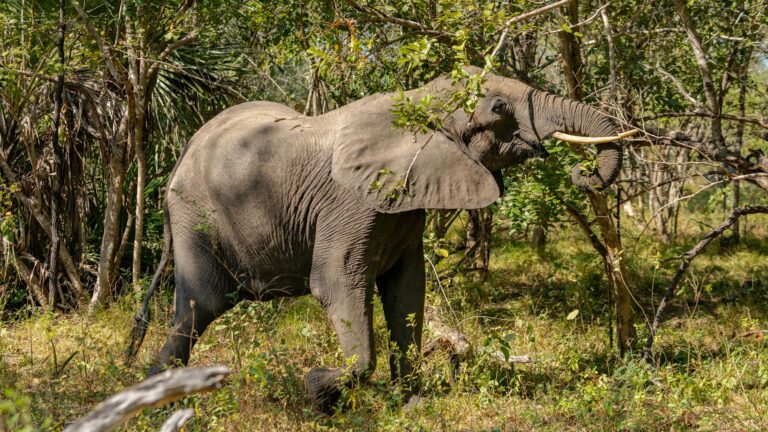
Elephants in Borneo: The Pygmy Subspecies of Sabah
Last updated: September 14, 2026
3 min read
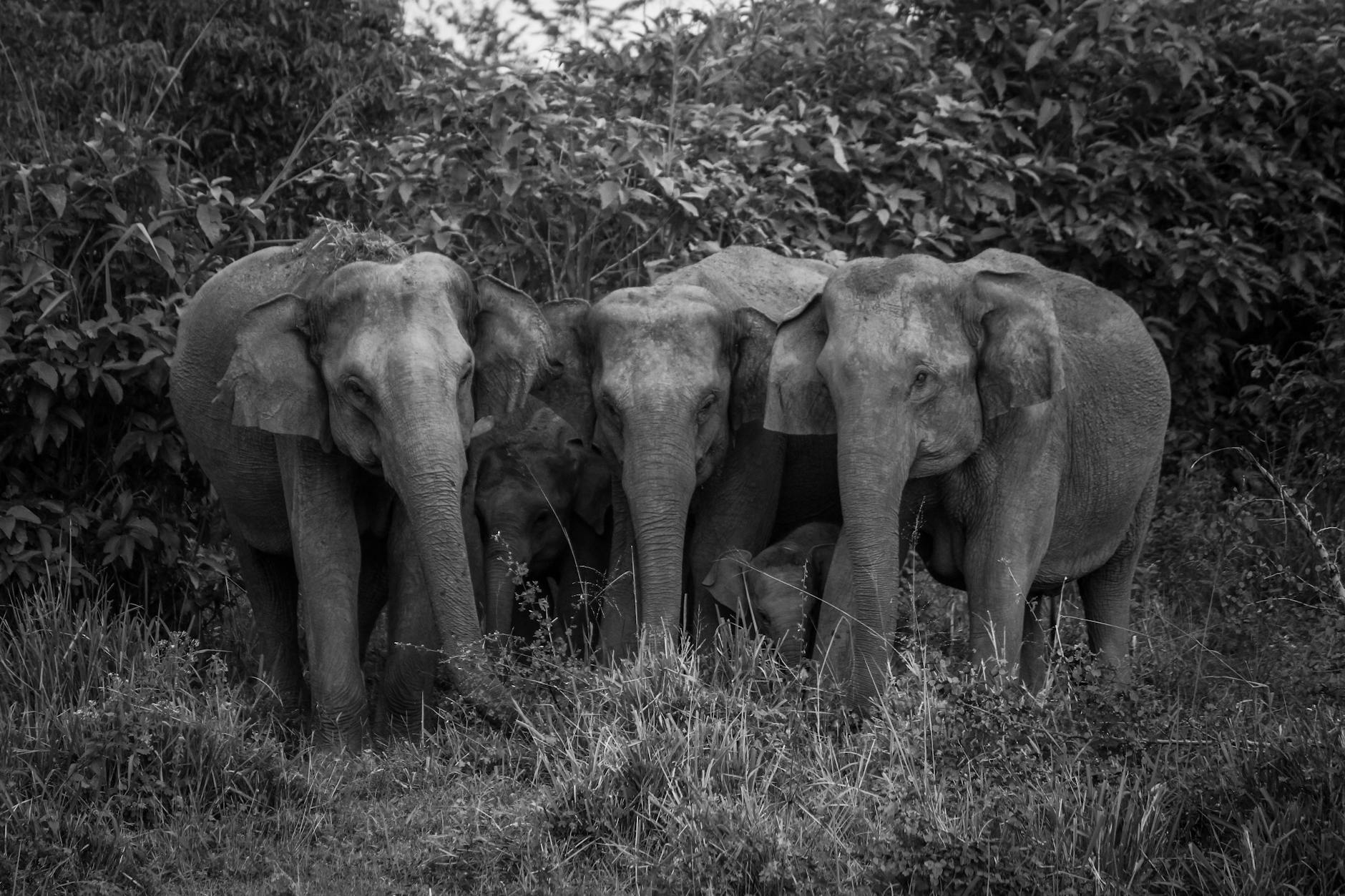
Photo by Ishara Kasthuriarachchi on Pexels
The world’s smallest elephants live on a strip of river forest in the Malaysian state of Sabah. The IUCN counted around 1,000 Bornean elephants when it first assessed the subspecies in June 2024, and where you find them tells you most of what you need to know about why they are in trouble: they want flat, wet, fertile lowland, and so does the palm oil industry.
Where they are on the island
Borneo is the third largest island in the world and is split between Malaysia, Indonesia and Brunei. Almost the whole elephant population sits in the north east corner, in Sabah, with a small additional group over the border in Indonesian Kalimantan.
Within Sabah the herds concentrate along the Kinabatangan, the state’s longest river. These are lowland animals: floodplain, swamp forest and forest edge, where the grasses, palms and wild bananas they feed on grow thickest. Almost nothing about them is adapted to hill country.
Seeing them
Lower Kinabatangan. The easiest site by a distance. Morning and afternoon boat trips from Sukau and Bilit produce regular sightings of herds feeding where the forest meets the water. The same stretch is the main proboscis monkey and orangutan circuit, so it is well served for boats and lodges.
Tabin Wildlife Reserve. Harder to get to and much quieter. Fewer sightings, but a better chance of watching undisturbed for a while rather than sharing a bend in the river with four other boats.
Danum Valley. Elephants pass through the edges of this primary rainforest area. It is better known for orangutans and is not somewhere to go specifically for elephants.
River cruises are the standard way to watch them for a good reason: a boat holds its distance and does not block the routes the herds use to move along the bank. Keep the noise down, do not push closer for a photo, and let the animals decide how long the encounter lasts.
March to October is the drier-leaning window. Wet-season tracks turn impassable in places and heavy rain makes river travel miserable, though the wildlife is there year round. Early morning and late afternoon are the active hours.
The squeeze
Oil palm conversion has left the Lower Kinabatangan as a thin ribbon of forest along the water with plantation on both sides. It is the most photographed example of fragmentation in south east Asia for a reason: from the air you can see the corridor and see how narrow it is. When the strip is too thin to feed a herd, the herd walks onto the plantation, and that is where the trouble starts.
The worst single incident on record came in January 2013, when 14 Bornean elephants were found dead in the Gunung Rara Forest Reserve over about three weeks. Post mortems found severe haemorrhaging and ulceration of the gut, and the Sabah Wildlife Department attributed the deaths to an unidentified toxin. A three-month-old calf was found alive beside its dead mother. Nobody was ever prosecuted.
WWF-Malaysia, the local NGO Hutan and the Sabah Wildlife Department run GPS collar tracking, patrols and corridor restoration aimed at reconnecting the fragments along the river. The Bornean elephant was assessed as Endangered in its own right in 2024.
Frequently asked questions
How many Bornean elephants are there?
Around 1,000 on the June 2024 IUCN assessment, about 400 of them breeding adults. Almost all are in Sabah, with a small number across the border in Indonesian Kalimantan.
Where is the best place to see them?
The Lower Kinabatangan, on a river cruise out of Sukau or Bilit. Tabin Wildlife Reserve is the quieter alternative.
When should I go?
March to October is drier and easier for river and road travel. Wildlife is present all year.
Are there elephants in Indonesian Borneo?
Yes, a small population in northern Kalimantan next to the Sabah border. Numbers are uncertain and very low.
Read next: our Bornean pygmy elephant species profile, our elephant species guide and our elephant conservation guide.