Elephants in Indian Tradition: Ganesha, Royal Processions and Modern Conflict
Last updated: October 14, 2026
4 min read
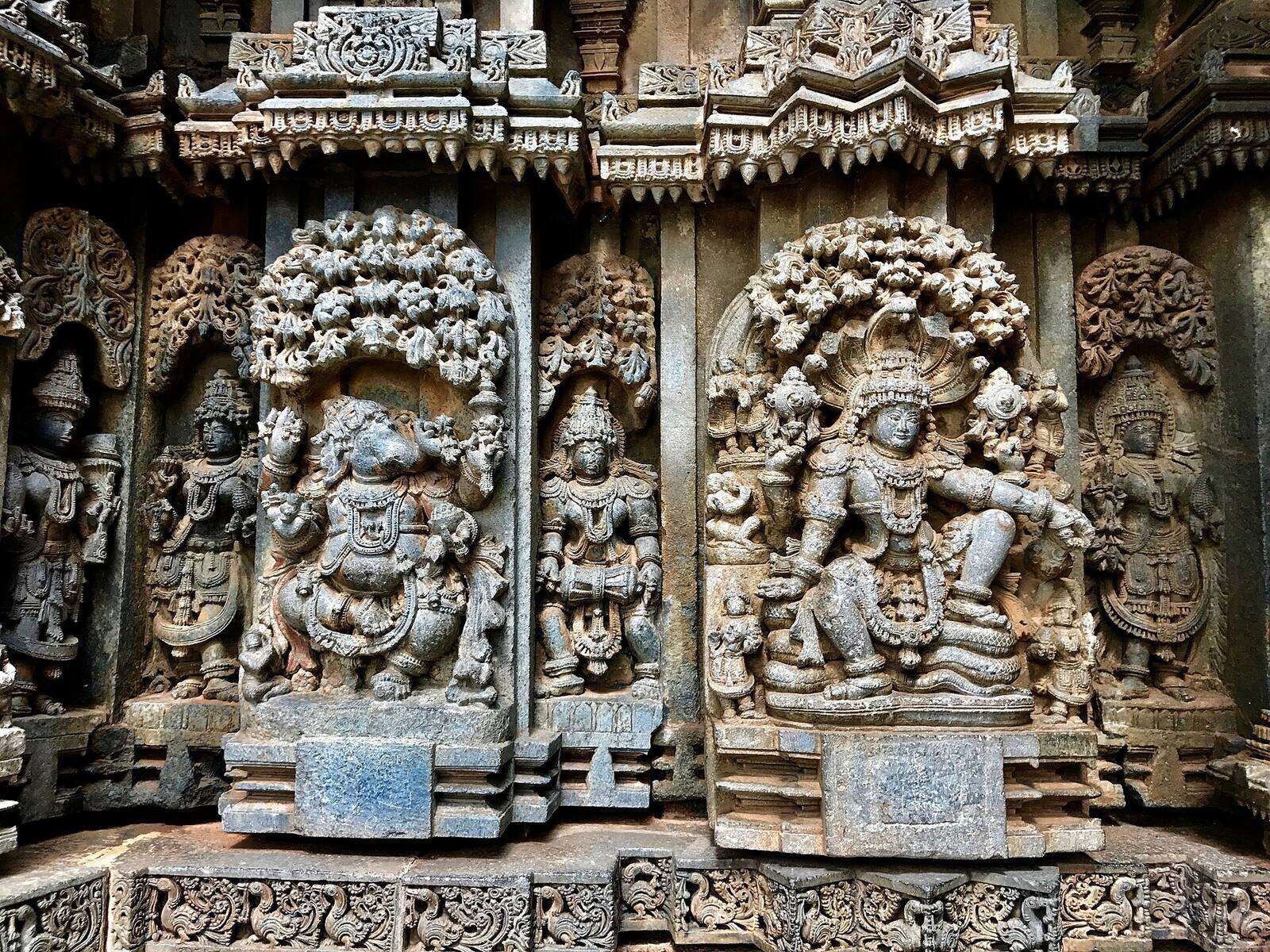
Dancing Ganesha, 13th century Keshava temple Somanathpur, by Ms Sarah Welch, CC BY-SA 4.0, via Wikimedia Commons.
India holds more Asian elephants than any other country, wild and captive. The cultural attachment runs through Hinduism, royal symbolism, festival processions and a long tradition of working elephants. The modern picture is dominated by escalating human-elephant conflict and, as of late 2025, by a population estimate that is substantially lower than the one everybody had been quoting.
The 2025 census and why the number dropped
For years the working figure for India’s wild elephants was around 27,000, from the 2017 estimate. The Synchronised All India Elephant Estimation, released in October 2025, put the figure at 22,446.
Read that drop carefully. The 2025 exercise used DNA-based methods rather than the older direct-count and dung-count approaches, so a large part of the difference is a change in how the counting was done rather than a measured loss of animals. That does not make it good news. It means the earlier figure was probably too high, and the baseline against which conservation progress gets judged has moved. India still holds the largest single population of Asian elephants anywhere, close to half the global total.
India’s January 2019 official count recorded 2,675 captive elephants, including 1,678 in private ownership.
Ganesha
Ganesha, the elephant-headed son of Shiva and Parvati, is one of the most widely worshipped deities in Hinduism. He is the remover of obstacles and the patron of arts, sciences and new ventures. Almost every Indian household has at least one Ganesha image, and businesses regularly open the day with a Ganesha invocation.
Ganesh Chaturthi, held in August or September, is one of the largest religious festivals in India. The public Ganesha installations in Mumbai alone draw millions of devotees.
Royal symbolism
Indian royal tradition put elephants at the centre of state power. War elephants featured in every major Indian empire from the Mauryans through the Mughals. Coronations involved elephants, and royal hunting used them as mobile shooting platforms. Mughal miniature painting returns again and again to the emperor on an elephant.
European artillery and then British colonial administration ended the war elephant. The symbolism survived intact; the working role mostly did not.
Temple elephants
Kerala’s temple festivals are the most visible surviving expression of the cultural attachment. Thrissur Pooram, held in April or May, parades dozens of caparisoned elephants through the city in one of the most spectacular religious processions in the world, with the lead elephant carrying the sacred image.
The welfare problems are serious and well documented. Animal welfare organisations in Kerala have repeatedly recorded chained, malnourished and behaviourally disturbed temple elephants, and deaths of both elephants and handlers during festival season are a recurring story. Reform efforts within the religious establishment are ongoing and slow.
Where the wild elephants are
The strongholds are Bandipur, Nagarhole and Mudumalai in the south, Jim Corbett, Rajaji and Dudhwa in the north, and Kaziranga, Manas and the West Bengal to Assam corridor in the east. Western India has very few wild elephants.
Human-elephant conflict
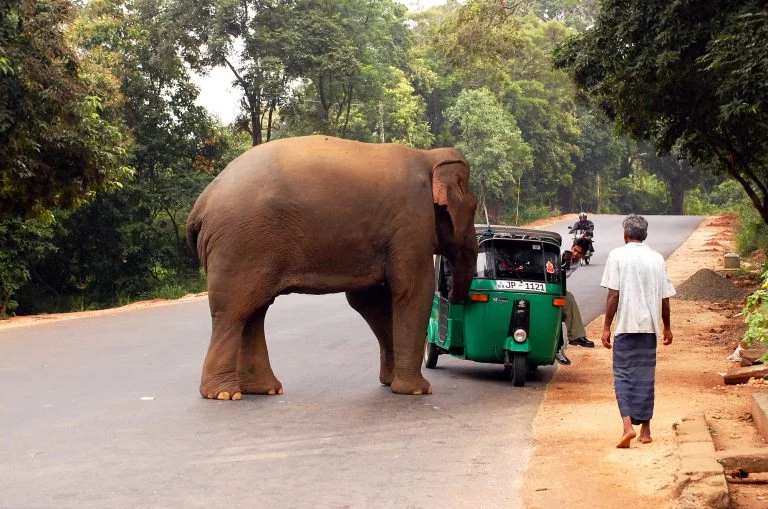
India recorded 629 human deaths from elephant encounters in 2023/24. In the same year, 121 elephants died from electrocution, train collisions, poaching and poisoning.
Most incidents happen on forest-edge agricultural land where elephants raid crops at night. The driver is fragmentation: as farmland has expanded, corridors have been broken, and elephants now move through fields that were forest a generation ago.
Project Elephant, the national conservation programme launched in 1992, has real achievements to its name, including the designation of 33 elephant reserves. It has not solved the conflict problem. Restoring habitat connectivity, particularly in West Bengal and Odisha, is the binding constraint.
Frequently asked questions
Why is Ganesha depicted with an elephant head?
Hindu tradition tells several stories. The most common is that Shiva, returning home and not recognising his son, cut off Ganesha’s head, then replaced it with the first head available, which was an elephant’s. The underlying symbolism is the elephant as remover of obstacles and as a figure of wisdom and strength.
How many elephants are there in India?
22,446 wild elephants according to the Synchronised All India Elephant Estimation released in October 2025, plus roughly 2,500 to 2,700 in captivity. That wild figure is lower than the 27,000 quoted from 2017, largely because the survey method changed to DNA-based estimation.
Where is the best place to see elephants in India?
Jim Corbett in Uttarakhand for reliable sightings and good infrastructure. Bandipur and Nagarhole in Karnataka for slightly less touristy options. Kaziranga in Assam combines elephants with the world’s largest one-horned rhino population.
Are temple elephants in India treated well?
Standards vary widely and the documented problems are serious: chaining, malnutrition and behavioural disturbance, recorded in Kerala, Tamil Nadu and several northern states. Reform conversations are ongoing within the religious establishment.
Why is there so much human-elephant conflict in India?
In 2023/24, India recorded 629 human deaths and 121 elephant deaths from four listed anthropogenic causes. Agricultural expansion has broken the corridors elephants used to move along, so they now cross farmland instead. Crop raiding and retaliatory killing follow.
Read next
Read next
- Elephant Conservation 2026: How to Save the Last Giants: Poaching trends, the 1989 ivory ban, the zoo and sanctuary debate, trophy hunting.
- Elephants in Indian Culture: Ganesha, War & Festivals: Ganesha, war elephants, Kerala temple processions and the welfare fight around them: how the elephant runs through five thousand years of Indian life.
- Elephants in India: Population, Parks, and Culture: India’s first DNA-based elephant count put the wild population at 22,446.
- Elephants in Sri Lankan Culture: Temples, Ceremony and Conflict: Two thousand years of reverence, the Kandy Esala Perahera and its welfare argument, and a human-elephant conflict that killed 3,484 elephants and 1,195 people between 2015 and 2024.
Updated 14 September 2026: updated India’s human and elephant death figures.