Why Elephants Use Tools: Branches, Mud, and What It Says About Intelligence
Fly-swatters made from branches, thrown dust, and Kandula moving a cube to reach his food. What the published studies actually show about elephant tool use.


Fly-swatters made from branches, thrown dust, and Kandula moving a cube to reach his food. What the published studies actually show about elephant tool use.
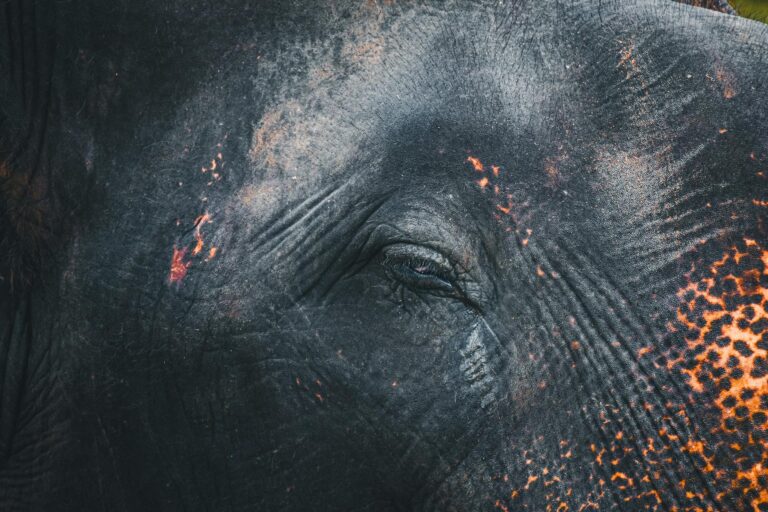
Dichromatic, moderately sharp, and third in the sensory order behind hearing and smell. What elephants can and cannot make out.

Two matriarchs, 35 days of collar data from Chobe National Park, and the shortest sleep schedule recorded in any mammal. What the study found and what it did not.
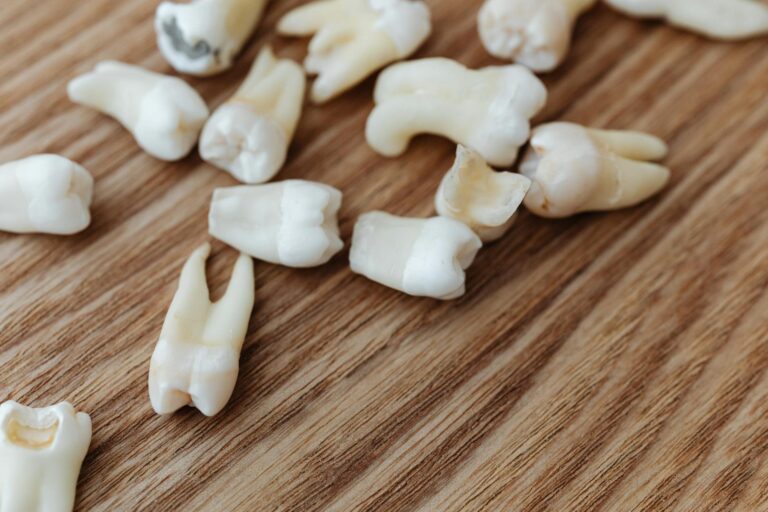
Elephants cycle through six sets of molars, replaced horizontally rather than vertically. When the sixth wears out the animal starves. How the system works and how researchers read age from it.
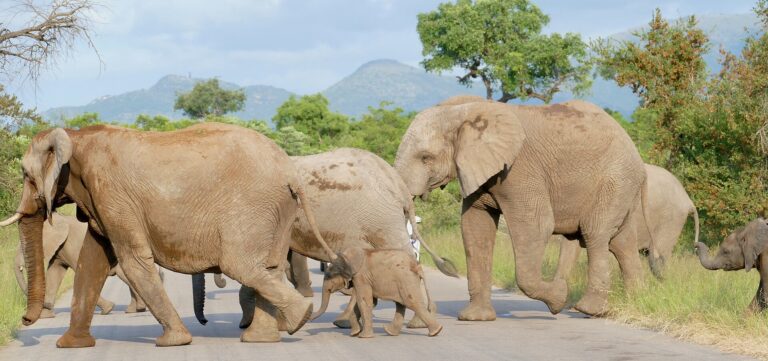
Oxford and Save the Elephants walked elephant trails with GPS in Sagalla, Tsavo, and found bulls and family groups choose different routes to different plants.
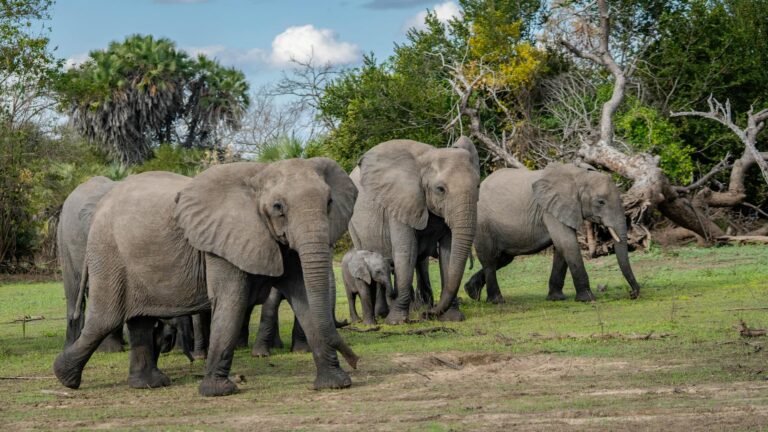
What the Amboseli and Tarangire studies show about why the oldest female runs the family, and why losing her costs a herd more than losing anyone else.
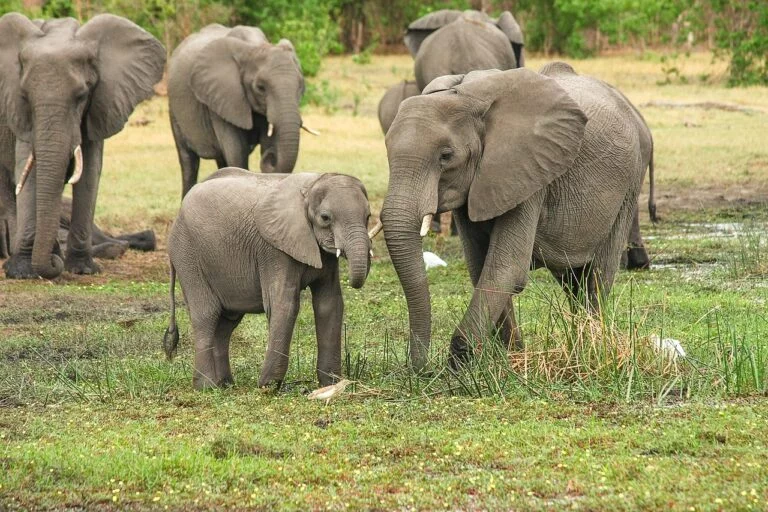
African savanna elephants have about 63,000 facial nucleus neurons and Asian elephants about 54,000. See how ears and trunks explain the gap.
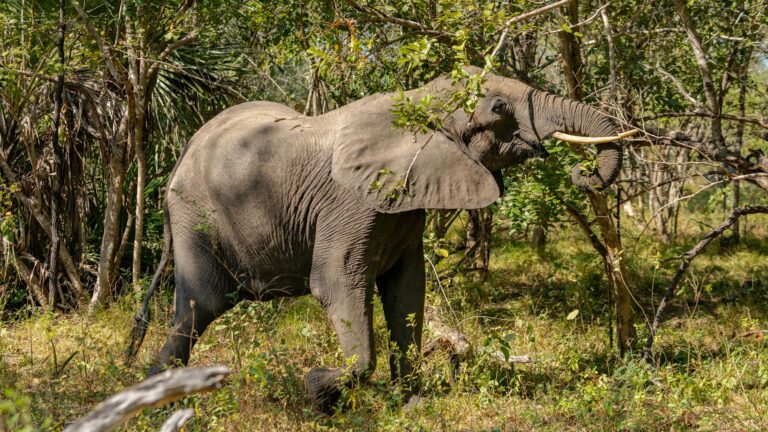
Lucy King turned an old observation about elephants avoiding beehives into a working crop-defence system. How beehive fences work, what they cost, and where they fail.
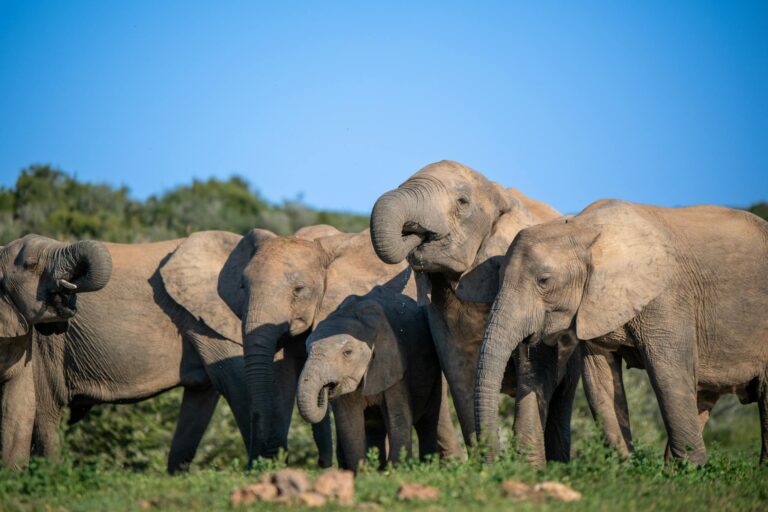
Infrasonic rumbles, seismic reception through the feet, a 404-behaviour gesture catalogue, and the 2024 study on name-like calls.
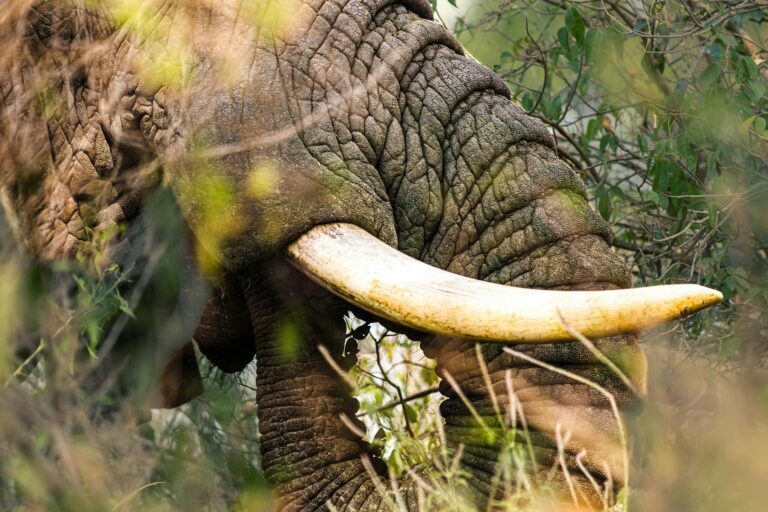
What a tusk actually is, the ecological work it does, why the heaviest pair on record is in a London museum, and how poaching at Gorongosa is breeding tusks out of the population.

Mud baths cool elephants, block sunlight and deter insects. See why wallowing matters for skin, temperature control and social behaviour.
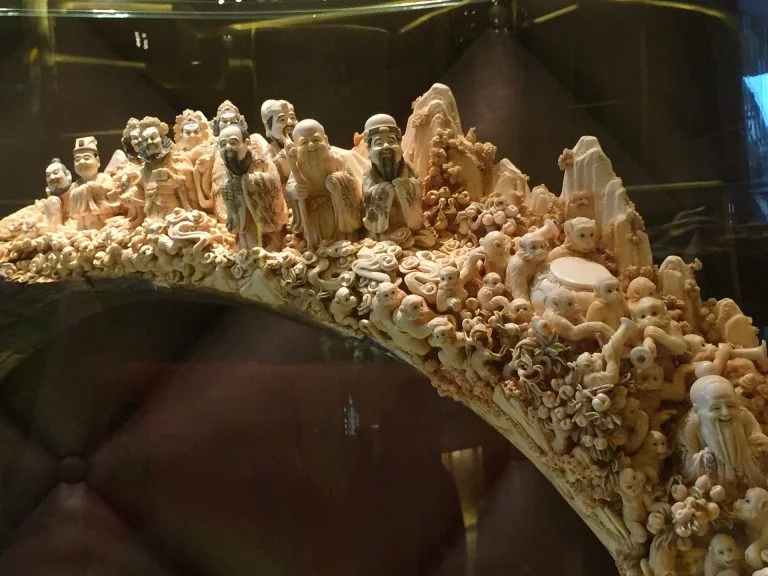
Where ivory comes from, how it moves, why the 1989 CITES ban only half worked, and what the DNA forensics and the 2017 China closure actually changed.
We send one careful elephant roundup per month. Conservation news, species profiles, the occasional reader question we could not resist answering.
We never share your email. One-click unsubscribe.