Elephants in South Africa: Kruger, Addo, and Private Reserves
Around 44,000 elephants, roughly 31,300 of them in Kruger, and a population rebuilt from 11 survivors at Addo. Why South Africa’s elephants are the most managed in Africa.

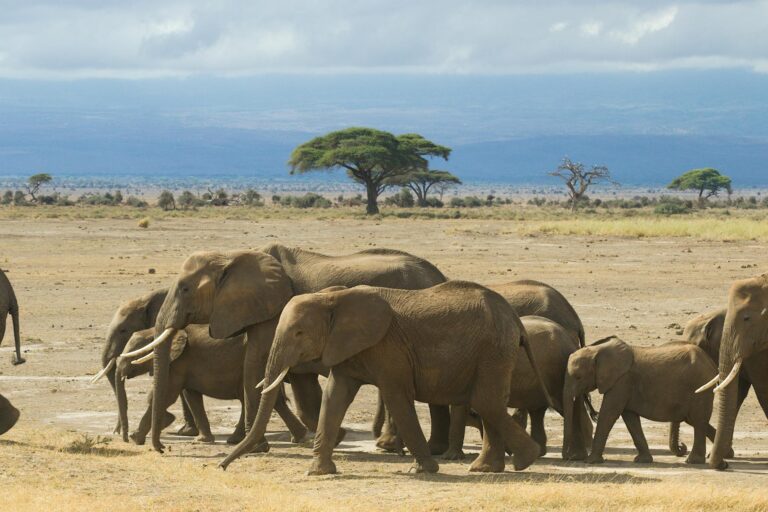
Around 44,000 elephants, roughly 31,300 of them in Kruger, and a population rebuilt from 11 survivors at Addo. Why South Africa’s elephants are the most managed in Africa.
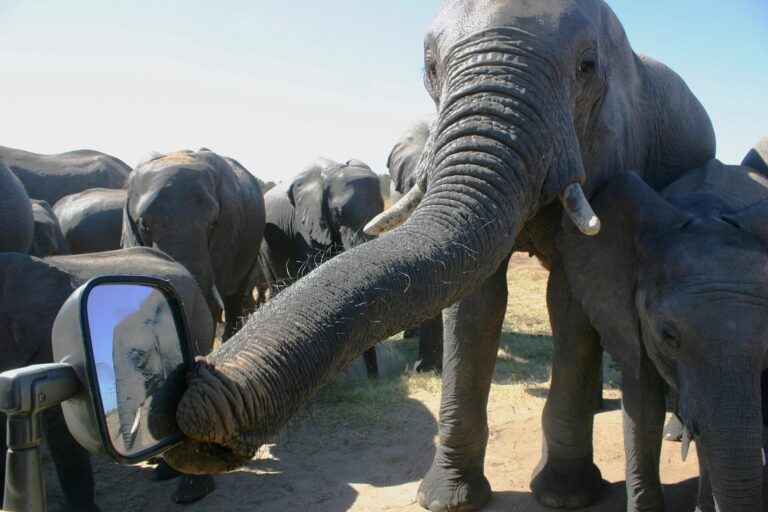
Hwange, Mana Pools and Gonarezhou, why Zimbabwe’s elephant abundance is its central conservation problem, and where the CITES ivory argument actually stands.

Botswana holds 131,909 savanna elephants, the core of the 227,900 counted across KAZA in 2022. Where they live, how they are counted and how they die, the hunting quotas, ivory and farm conflict.

Tanzania’s 2024 to 2025 census counted 66,714 elephants. See the 2009 to 2014 poaching collapse and the uneven recovery since.

Kenya’s 2025 estimate counted 42,072 elephants. See where they live and how drought, conflict and habitat loss shape recovery.

Bhutan’s national survey put its wild elephants at 678, up from 513 in 2011. Where they live, why a constitutional forest floor helps, and what conflict in the southern districts actually looks like.

A small population, a world-class anti-poaching record, and captive elephants that patrol against poachers rather than carry tourists.
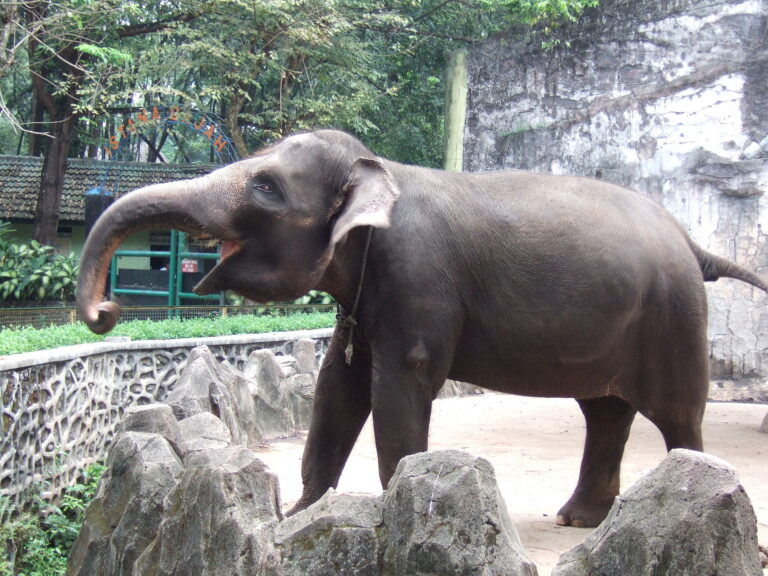
Indonesia’s 2026 draft plan estimates 1,320 to 1,635 Sumatran elephants. See their range, threats and current conservation work.

About 1,000 Bornean elephants remained in 2024, including about 400 breeding adults. See their range and main threats.
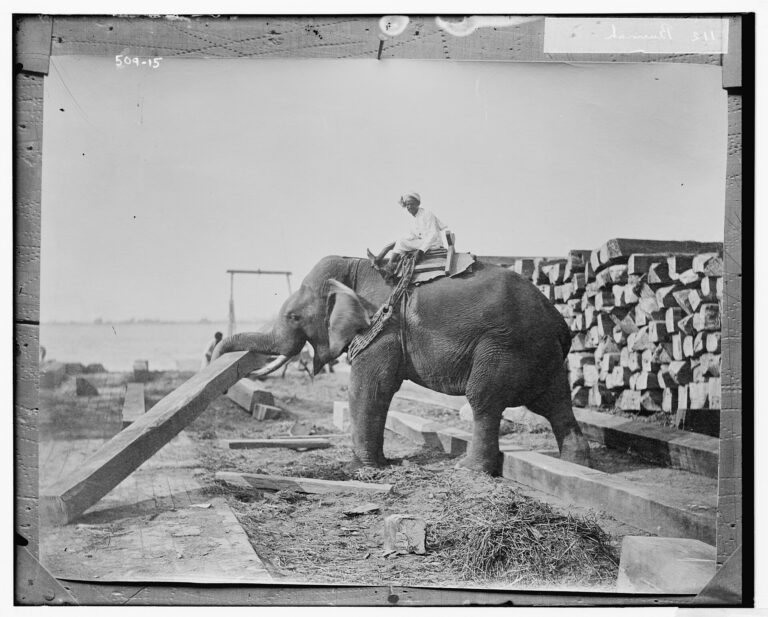
Around 5,000 captive elephants, the largest such population on Earth, set against a wild population of under 2,000 being killed for its skin. What the 2014 logging ban left behind.

Vietnam has roughly 100 wild Asian elephants left, mainly in the Central Highlands. See the wild and captive populations and no-ride reforms.

Laos was Lan Xang, the Kingdom of a Million Elephants, and now holds roughly 800. Where the wild herds survive, what the Baby Bonus breeding scheme actually does, and the two no-ride places worth visiting.
We send one careful elephant roundup per month. Conservation news, species profiles, the occasional reader question we could not resist answering.
We never share your email. One-click unsubscribe.