Elephants in Cambodia: Mondulkiri and the Eastern Plains
Cambodia has 400 to 600 wild elephants and a captive tradition that belongs to the Bunong, which has produced a notably better model of elephant tourism.


Cambodia has 400 to 600 wild elephants and a captive tradition that belongs to the Bunong, which has produced a notably better model of elephant tourism.
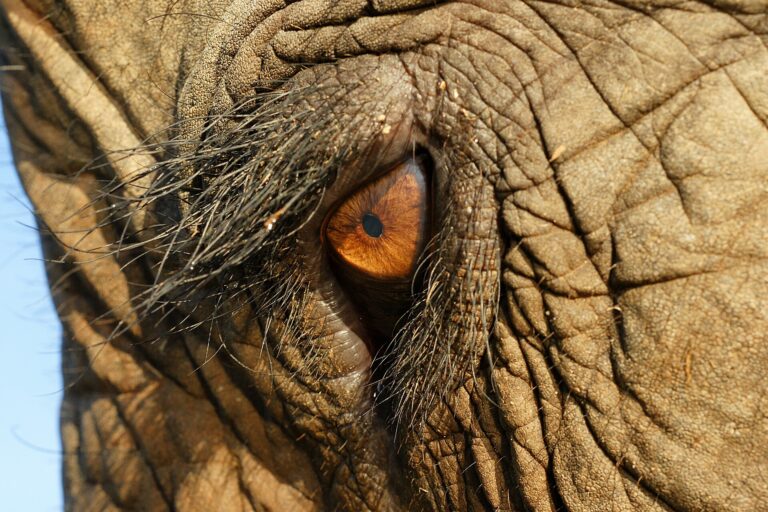
Where Thailand’s 4,000-plus wild elephants live, what the captive tourism industry really looks like, and how to tell a working sanctuary from a rebranded ride camp.
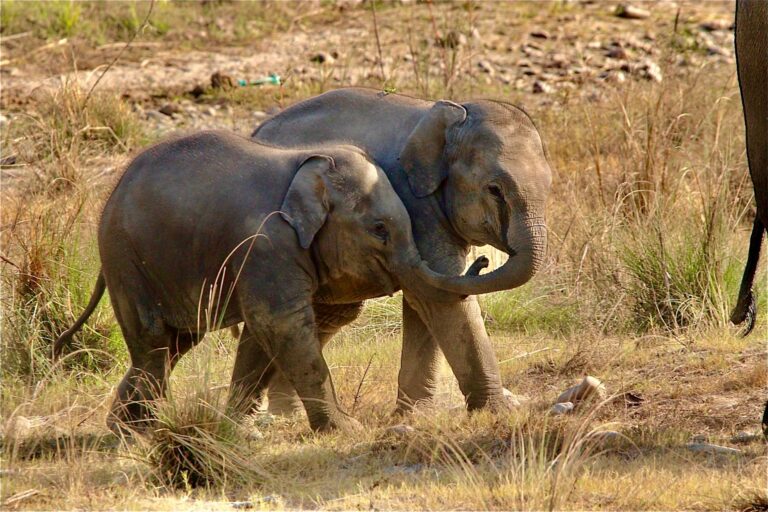
India’s first DNA-based elephant count put the wild population at 22,446. Where they live, what kills them, and how the new number compares with the old one.

What fifty years of continuous records at Amboseli show about elephant families: who leads, when bulls leave, and the experiments that proved older matriarchs really do know more.

Around 6,000 wild elephants on an island the size of Ireland: where to see them, what the Gathering is, and the real numbers behind the human-elephant conflict.

The Sheldrick Wildlife Trust has raised 327 orphan elephants and recorded 94 wild-born calves. See its rearing and reintegration process.
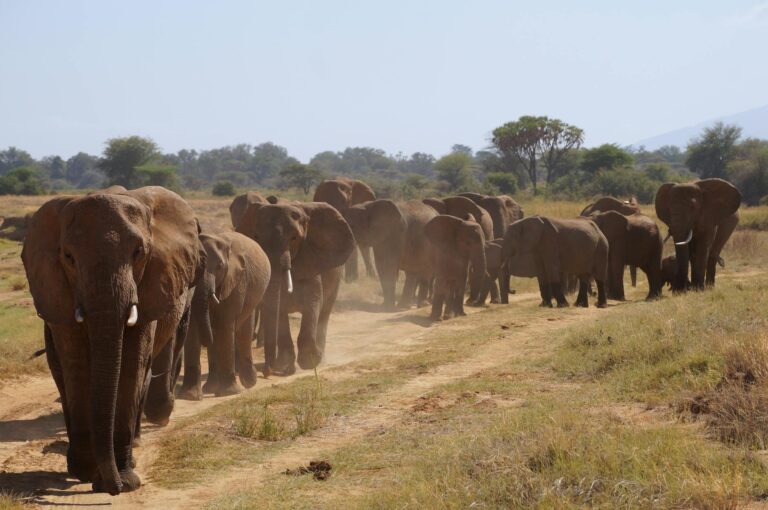
A nine-year Kenyan study found beehive fences turned away 76 percent of elephant approaches overall. See how the method works and scales.
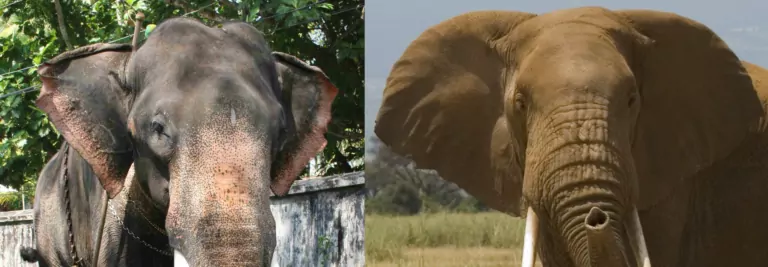
Ears, tusks, trunk tips, back profile, size and conservation status compared across the Asian elephant and the two African species.

Elephants drink 100 to 200 litres a day, dig wells, swim across rivers and use mud for cooling and skin care. See the evidence.

World Elephant Day falls on 12 August. See who launched it in 2012, how the campaign works and how to take part without invented themes.

GPS collars show elephant movements and can feed anti-poaching and conflict alerts. See how the collars work, their limits and welfare risks.

How elephants drink, why they float, what the trunk-as-snorkel actually requires of the chest, and what the record really says about how far an elephant can swim.
We send one careful elephant roundup per month. Conservation news, species profiles, the occasional reader question we could not resist answering.
We never share your email. One-click unsubscribe.