

Elephants in Mali: The Gourma Desert Herd
Last updated: October 14, 2026
4 min read
Photo by Corné Nel on Pexels
A few hundred elephants live in the Gourma, in the Sahel of eastern Mali. A systematic survey counted 316 in 2023 and a further count put the figure at 473 in 2025. They are the most northerly elephants in Africa, and they walk the longest documented elephant migration anywhere: a circuit of roughly 600 km a year, across a range of more than 32,000 square kilometres, the largest ever recorded for the species.
Where they live
The Gourma elephants live inside the bend of the Niger river, mainly between Douentza, Gossi, and the Burkina Faso border. They cross seasonally into Burkina Faso, and historically into Niger.
Why the long migration
The Gourma is genuine Sahel. Surface water exists only seasonally, in a small number of pools and ponds, and the elephants move between them as the seasons shift. The circuit is a route the matriarchs know, run counter-clockwise from the south during the summer rains up to the ponds and floodplains of the Niger bend.
It was mapped properly through GPS collaring in the mid-2000s, work done by the WILD Foundation with Save the Elephants as the Mali Elephant Project took shape.
Population trend
The numbers need handling carefully, because survey effort in a conflict zone varies as much as the herd does. Early estimates from the mid-2000s put the population somewhere between 350 and 700. A systematic survey in 2023 counted 316 elephants. A further count in 2025, reported by Biome Conservation, which has been the project’s lead funder since 2010, found 473.
Read that upward move cautiously. Some of it is likely to be better coverage rather than more elephants, and the same caveat applies to the older figures in the other direction. What is clear is that the herd is small, that poaching pressure returned hard after 2015 and was then pushed back down, and that a population of this size is exposed to ordinary variation in birth and death rates as well as to anything poachers do.
Conservation crisis
The Gourma is one of the most dangerous places on Earth to be an elephant, and one of the most dangerous to be a ranger. Insecurity across the Sahel since 2012 has displaced communities, hollowed out state presence, and made poaching far easier. Elephants are killed for ivory and, as displaced communities lose other protein sources, for meat.
Conservation work has continued through it anyway. The Mali Elephant Project, a joint effort of the WILD Foundation and the International Conservation Fund of Canada, funded since 2010 by Biome Conservation and directed by Susan Canney, built a community-based model rather than a fortress one: local people manage the natural resources the elephants depend on, and local elephant guardians watch the corridor. That approach is the reason there is anything left to protect.
Threats specific to Mali
Sahel insecurity is the dominant threat by a wide margin, and it works through second-order effects as much as direct ones: rangers cannot patrol, surveys cannot be flown, funding cannot be delivered, and cross-border movement into Burkina Faso and Niger becomes unreliable as conflict displaces both the elephants and the communities that historically tolerated them.
Behind that sits a slower problem. Sahel rainfall is becoming more variable, and the seasonal water points the migration depends on are becoming less reliable. A 600 km circuit only works if the water is where the matriarch remembers it.
Where to see elephants ethically in Mali
Honest answer: do not visit. The security situation in the Gourma makes independent travel unsafe, and a visitor would pull resources away from the small remaining ranger and community-guardian network. Better ways to help from outside the country:
- The Mali Elephant Project, through the WILD Foundation or the International Conservation Fund of Canada. Programmatic donations fund the community elephant-guardian network that has kept the migration corridor functioning through the conflict.
- Save the Elephants, which has been involved since the project began and provides the tracking work that underpins the migration mapping.
- Avoid generic Mali tourism operators that advertise elephant viewing in their itineraries.
Reliable, current information on this herd is genuinely thin, and much of what circulates online is years out of date. If you have recent field information from the Gourma, leave a comment and we will update the piece.
Read next
Frequently asked questions
How many elephants are in Mali?
A few hundred, all in the Gourma. A systematic survey counted 316 in 2023, and a 2025 count reported by Biome Conservation found 473. Mid-2000s estimates put the herd somewhere between 350 and 700.
Why are Mali’s elephants so famous?
They make the longest documented elephant migration anywhere: a circuit of roughly 600 km a year through Sahel scrubland, across a range of more than 32,000 square kilometres, the largest ever recorded for the species.
Are Mali’s elephants endangered?
It is a small, isolated population in an active conflict zone, which is about as exposed as an elephant herd gets. Poaching returned hard after 2015 and has since been pushed back down, but the security situation across the Sahel still governs everything else.
Can I visit Mali’s elephants?
No. Independent travel to the Gourma is not safe given the security situation in the Sahel.
Are they a separate subspecies?
No. They are African bush elephants (Loxodonta africana) that have developed behavioural adaptations to the Sahel environment.
Also worth reading
- Elephant Conservation 2026: How to Save the Last Giants: Poaching trends, the 1989 ivory ban, the zoo and sanctuary debate, trophy hunting.
- Mali’s Desert Elephants: The Gourma Herd of the Sahel: The longest elephant migration on record, walked by a herd that survived a decade of armed conflict.
- Elephant Collars: How GPS Tracking Is Saving Africa’s Giants: How GPS collars work, what geofencing alerts actually do for farmers, why forest elephant collaring is so hard, and what a collar cannot do on its own.
- Elephant Poaching Trends: Where the Pressure Is Now: Poaching is far below the 2011 peak but has stopped improving.
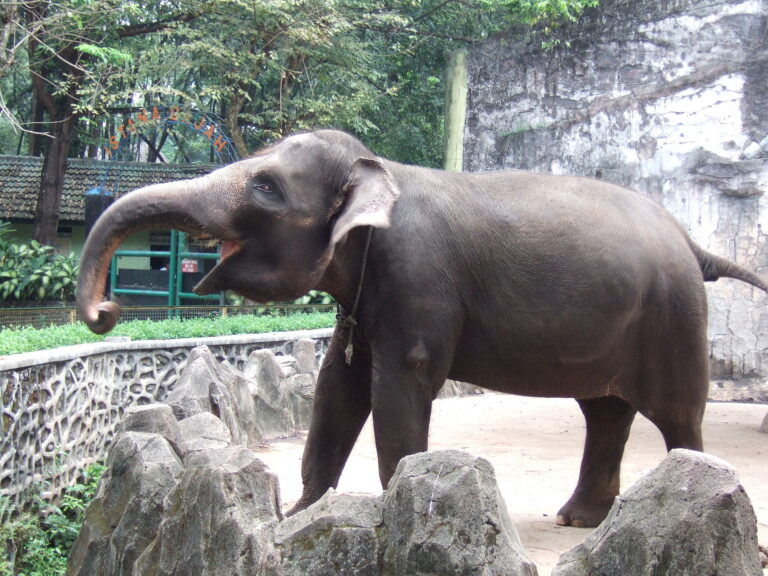


The 600 km Gourma loop is the longest documented elephant migration anywhere. The fact that these animals navigate it through active Sahel insecurity and still maintain the route is remarkable. The Wild Foundation work on community guardians is what is keeping them alive.