How Forest Elephants Raise Rainforest Carbon Storage
Forest elephants thin out light-wooded trees and spread the seeds of dense ones. Two studies put the carbon cost of losing them at about 6 to 9 percent of aboveground stocks.


Forest elephants thin out light-wooded trees and spread the seeds of dense ones. Two studies put the carbon cost of losing them at about 6 to 9 percent of aboveground stocks.

The crevices covering an African elephant are real fractures in a brittle outer layer, and they hold 5 to 10 times more water than flat skin would. Here is the mechanism, and why Asian elephants do not have them.

Around 350 elephants died in northern Botswana in 2020 and nobody could say why. Four years later, satellite data on 3,000 seasonal pans produced an answer, and it points at the weather.

Amboseli, Tsavo, Samburu and the Mara compared, plus the truth about super tuskers and which elephant experiences are actually ethical.
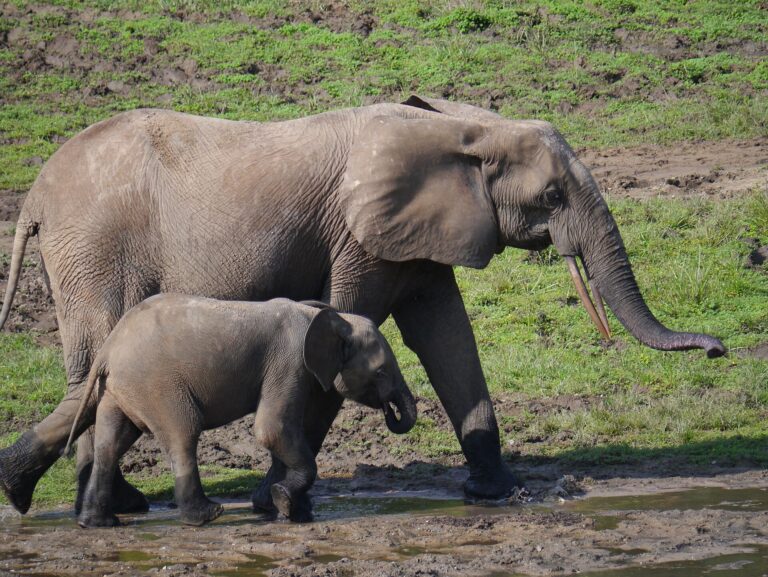
The Central African Republic’s forest elephants live mainly in Dzanga Sangha and nearby forests. Current national totals remain uncertain.
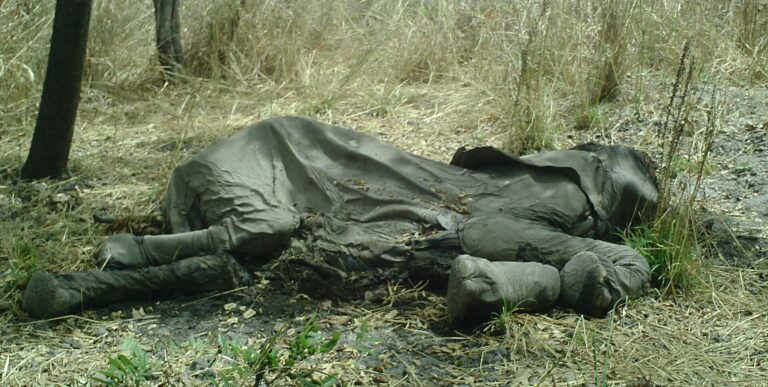
Cameroon has no reliable national elephant total. See survey results from Dja Ngoyla, Boumba Bek, Nki and the northern savanna range.

No reliable national total exists for elephants in the DRC. See field estimates for Salonga, Garamba and Virunga, plus current threats.

Zakouma now holds around 800 elephants after recovering from about 450 in 2010. See how protection changed the herd and what risks remain.

Mali’s Gourma survey counted 473 elephants in 2025, after 316 in 2023. See their migration, conflict risks and community protection.

Akagera counted 90 elephants in 2015, all descended from 26 animals moved in 1975. See the herd’s history and current protection.
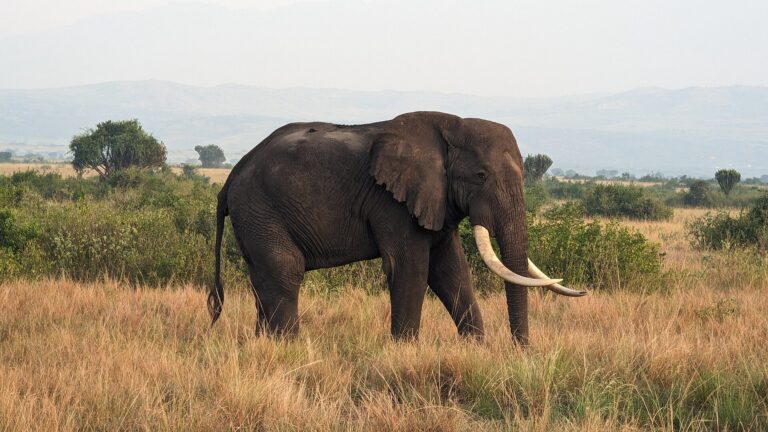
Uganda counted 6,352 elephants in monitored protected areas in 2023 to 2025, down from 6,621 in 2021 to 2022.
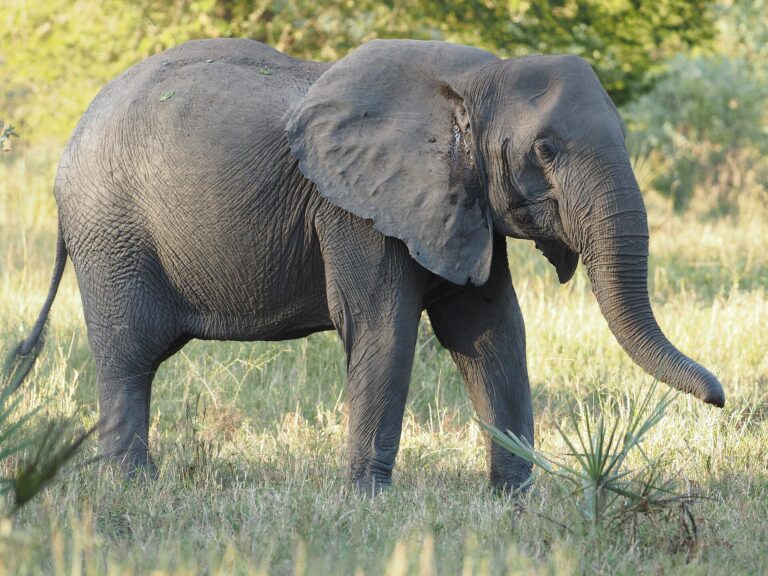
Mozambique’s 2025 national census counted 22,718 elephants, more than double the 2018 figure, and the carcass ratio collapsed from 48 percent to under 5. What happened at Gorongosa and Niassa, and what still threatens them.
We send one careful elephant roundup per month. Conservation news, species profiles, the occasional reader question we could not resist answering.
We never share your email. One-click unsubscribe.