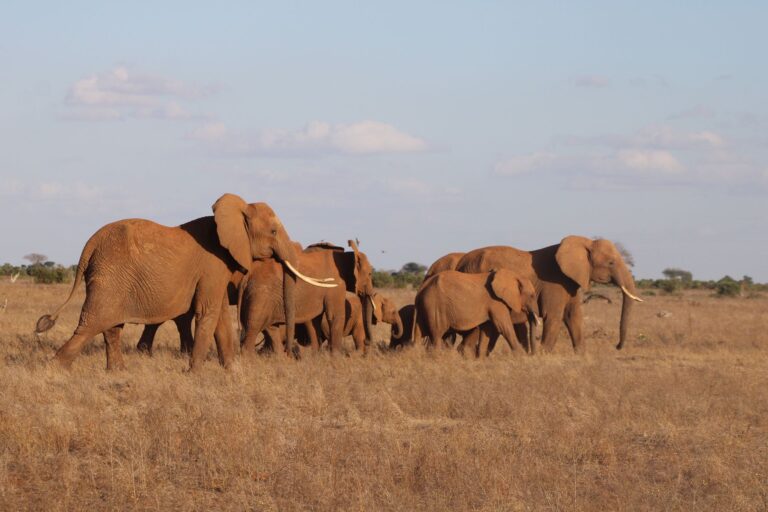


Elephant Evolution: Mammoths, Mastodons and Living Elephants
What ancient DNA says about how living elephants relate to mammoths and mastodons, from a 3 kg ancestor to hybrid herds and the last mammoths on Wrangel Island.

Elephant species profiles, conservation reporting, behavioural research, regional guides and the latest news from elephant range states. One site for everyone who loves the largest land animal on Earth.

What ancient DNA says about how living elephants relate to mammoths and mastodons, from a 3 kg ancestor to hybrid herds and the last mammoths on Wrangel Island.

Forest elephants thin out light-wooded trees and spread the seeds of dense ones. Two studies put the carbon cost of losing them at about 6 to 9 percent of aboveground stocks.

What studies of wild and captive herds found about the first years of an elephant calf: who raises it, the stages it passes through, and what happens when it loses its mother.

EEHV can kill an elephant calf within two days. Here is what researchers know about the virus, how often it is fatal, and what the first mRNA vaccine trial showed.

What the studies behind elephant intelligence actually found: a brain packed with cerebellar neurons, one mirror pass, insightful tool use, huge social memories and careful limits on grief.
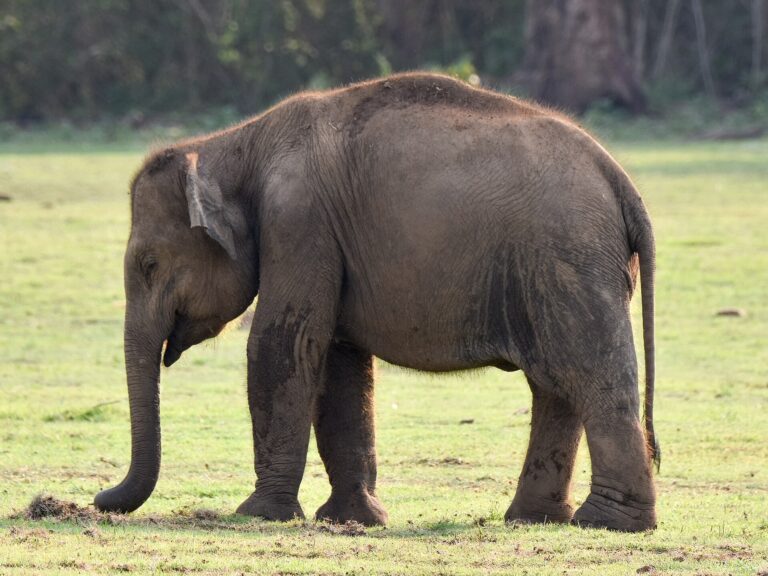
Elephants spend most of the day eating, yet absorb only about 44 percent of it. Here is what goes on the plate, how much, and how the menu shifts by season.
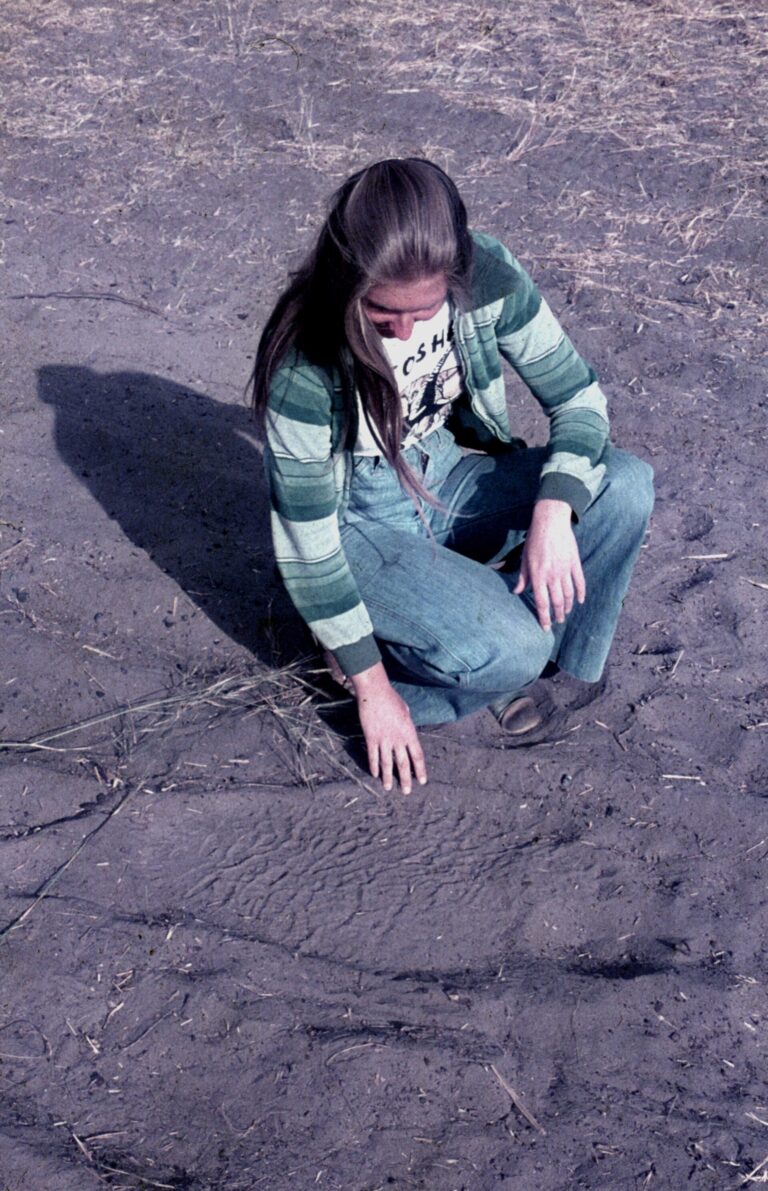
Inside an elephant foot sits a fat-filled fibrous cushion packed with touch receptors. Here is what anatomists found and what it may mean for listening through the ground.
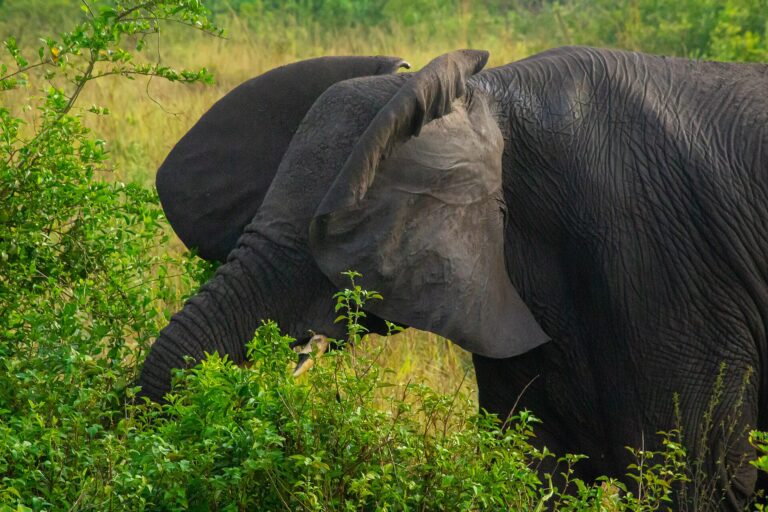
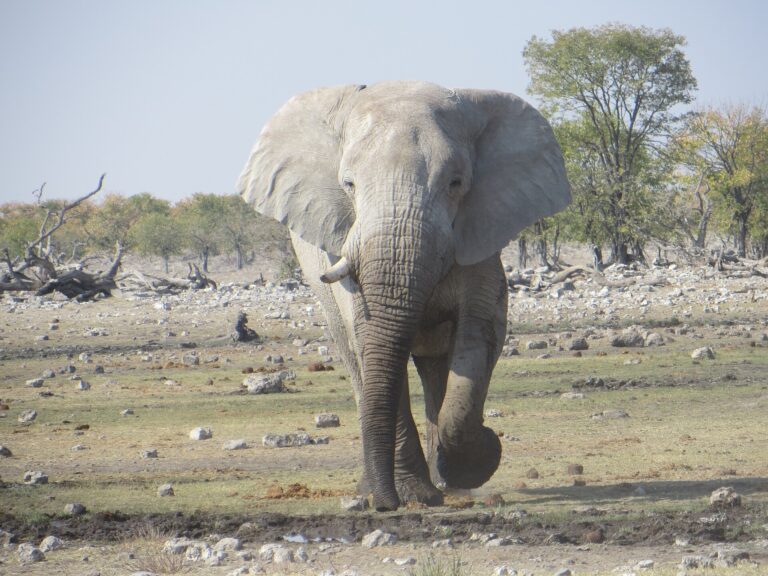
Elephant ears are thin, blood-rich radiators. Here is what thermal camera studies measured and how ear shape differs between species.
We send one careful elephant roundup per month. Conservation news, species profiles, the occasional reader question we could not resist answering.
We never share your email. One-click unsubscribe.